Dutch Minister for Food Security, Fisheries and Horticulture Silvio Erkens visited China from May 17 to 20, marking the first visit by a Dutch agriculture minister in 8 years. At the China Animal Husbandry Expo in Chengdu, he highlighted the strong basis for Sino-Dutch livestock cooperation, especially in innovation, robotics, automation, animal health, low-carbon farming, and smart farming technologies. Speakers from China also underlined growing demand for intelligent sensing, precision feeding, disease-risk warning systems, digital breeding, and joint industry standards.
It had been 8 years since a Dutch agriculture minister last visited China. This time, the trip also marked the first visit outside the European Union by the agriculture minister of the Netherlands’ new cabinet, just over 100 days after it took office.
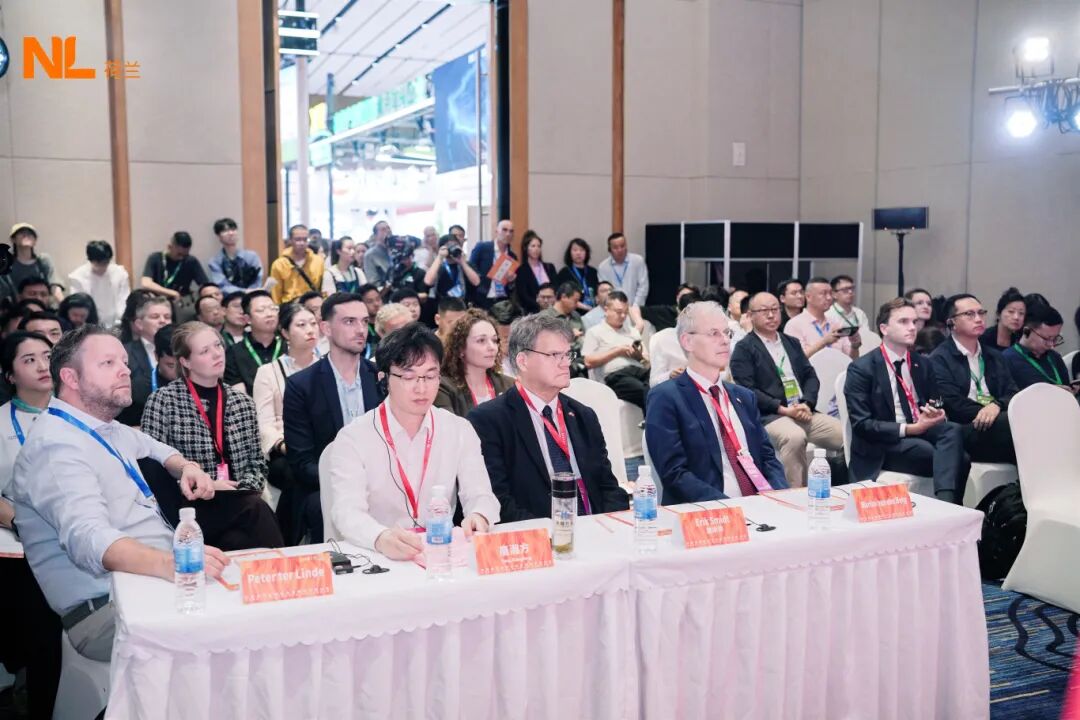
Dutch Minister for Food Security, Fisheries and Horticulture Silvio Erkens visited China from May 17 to 20. His first stop was Chengdu, where he attended the China Animal Husbandry Expo and delivered the opening remarks at the Sino-Dutch Seminar on High-Tech Achievements in Livestock Cooperation, held during the show on May 18.
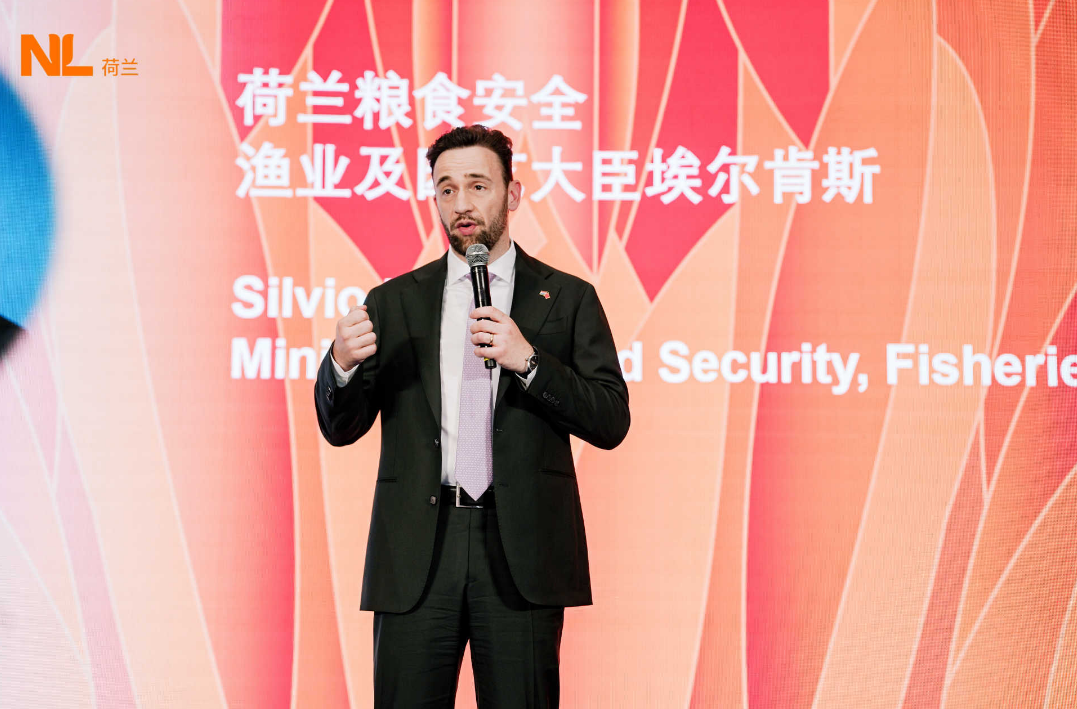
Silvio Erkens
“I chose China as the first stop mainly for 2 reasons,” said Minister Silvio Erkens, Dutch Minister for Food Security, Fisheries and Horticulture. “First, China is the Netherlands’ largest export market for agricultural products in Asia. Second, it has been 8 years since the previous Dutch agriculture minister visited China. For such an important partner, that interval is too long. We urgently need to strengthen this kind of high-level interaction.”
During the Beijing leg of the visit, Erkens met Zhang Zhu, Minister of Agriculture and Rural Affairs of China, and Sun Meijun, Head of the General Administration of Customs. The meetings included the 21st Sino-Dutch High-Level Working Group on Agriculture and the 17th Sino-Dutch Ministerial Conference on Animal and Plant Health and Food Safety (SPS). Several points of consensus were reached on deepening cooperation in livestock, veterinary services, agricultural technology, and related fields.
A practical basis for cooperation
According to Erkens, China and the Netherlands may be far apart geographically, but they share similarities in culture and business spirit. People in both countries, he said, have a strong entrepreneurial mindset, focus on commercial success, and attach great importance to innovation. Both also look to technology as a way to solve practical problems.
In the global geopolitical and economic landscape, agriculture remains a key topic, Erkens said. As 2 of the world’s top 5 agricultural powers, the Netherlands and China have become important partners to each other, making stable bilateral relations essential.
The 2 countries also face similar structural challenges in agriculture. Both have large livestock sectors, and both face an ageing labour force. That makes robotics and automation increasingly important for improving production efficiency. “China’s cutting-edge exploration in this field is particularly outstanding,” Erkens said.
He also pointed to more frequent extreme weather events, climate change, and the growing impact of animal diseases as shared challenges. These, he said, should be priority areas for future cooperation.
Innovation is also embedded in the policy agendas of both countries. China’s 15th Five-Year Plan sets priorities across sectors, including agriculture, with particular emphasis on solving practical problems through innovation. The new Dutch government’s 4-year programme also focuses on agricultural innovation, both to tackle current challenges and to maintain the vitality of the agricultural economy.
Technology demand in China
Li Xirong, former president of the China Animal Agriculture Association, said cooperation between China and the Netherlands in animal husbandry has a long history, a solid foundation, and broad prospects.
The Netherlands may be small in land area, he said, but it is a global innovation hub for agriculture and livestock production. It is among the leaders in precision farming, environmental control, animal welfare, and artificial intelligence (AI) applications.
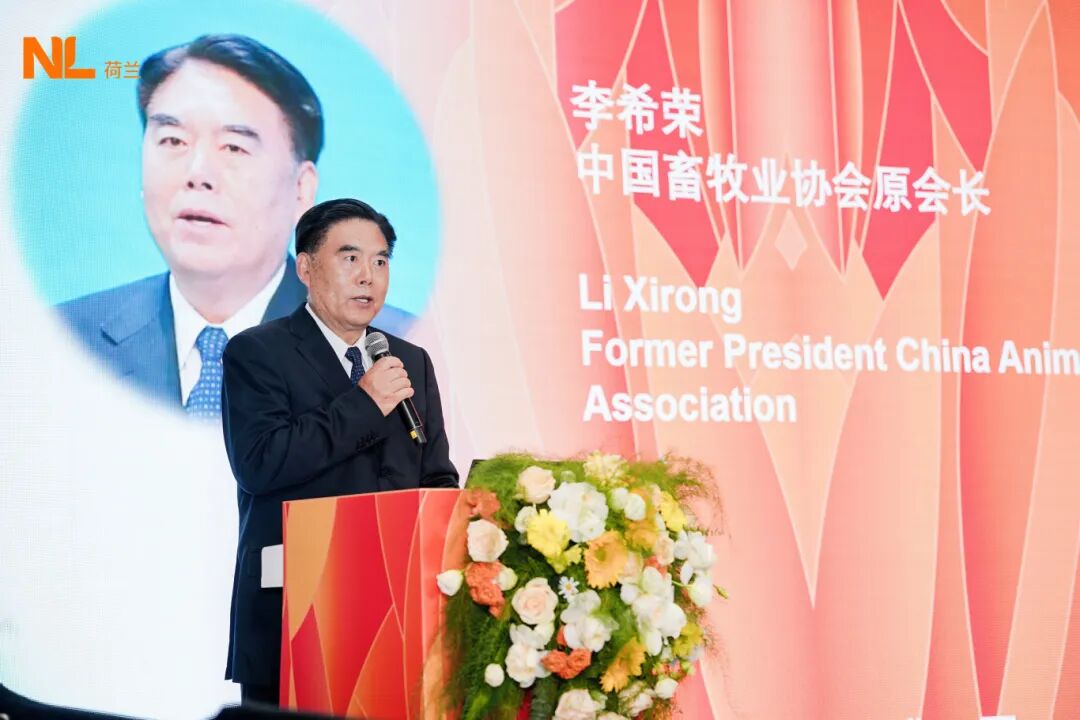
Li Xirong
China, meanwhile, has just released and started implementing its 15th Five-Year agricultural development plan. The plan calls for scientific and technological innovation to lead the high-quality development of modern animal husbandry.
“Whether it is intelligent feeding, precision environmental control, individual health management, or full-chain traceability, the demand for technology is very urgent, and the application scenarios are very rich,” Li said. “This provides broad market space and a cooperation platform for international partners, including the Netherlands.”
Li said the 2 countries share challenges, have complementary strengths, and agree on the value of cooperation. China has diverse livestock production settings, huge market demand, and the ability to iterate quickly. The Netherlands has long-term technical strengths, an open approach to cooperation, and an international outlook.
“As long as we adhere to the principles of openness, mutual trust, pragmatism, and win-win cooperation, we will certainly be able to create livestock solutions that fit China’s national conditions and are internationally competitive,” Li said.
Five trends for the 15th Five-Year period
At the seminar, Tang Xiangfang, deputy director of the Institute of Animal Sciences of the Chinese Academy of Agricultural Sciences, outlined China’s livestock development trends and technology needs for the 15th Five-Year period.
According to Tang, China’s livestock sector will show 5 major trends during that period. Stable supply will remain the bottom line. Green and low-carbon development will become a hard constraint. AI will reshape farming methods. Data will become a core production factor. Equipment will move from automation to intelligence.
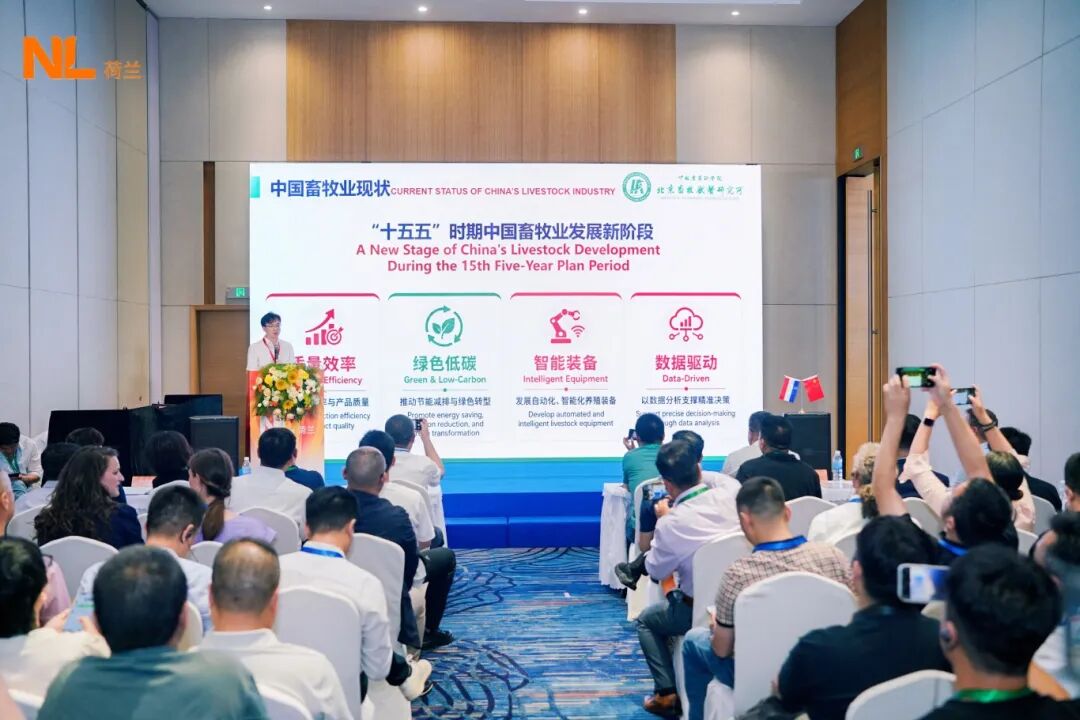
In practical terms, China has basically achieved self-sufficiency in pork, poultry meat, and eggs. The next priority will be improving the stable supply of beef, mutton, and fresh raw milk.
At the same time, China is building a national livestock carbon footprint and environmental footprint tracking system. The next step will be to quantify data in support of low-carbon trading.
Through image recognition, sound recognition, feeding data, and environmental monitoring, farms are expected to become data-driven biological production systems. Once the industry has moved fully into digital transformation, the key task will be using collected data for analysis and decision-making. Algorithms and data, Tang said, must ultimately be applied through physical equipment; otherwise, they risk becoming castles in the air.
Based on that outlook, Tang identified 5 key technology needs for China’s livestock sector: intelligent sensing of livestock and poultry phenotypes, precision nutrition and precision feeding, intelligent early warning of disease risks, green and low-carbon farming technology, and digitalisation in breeding and reproduction.
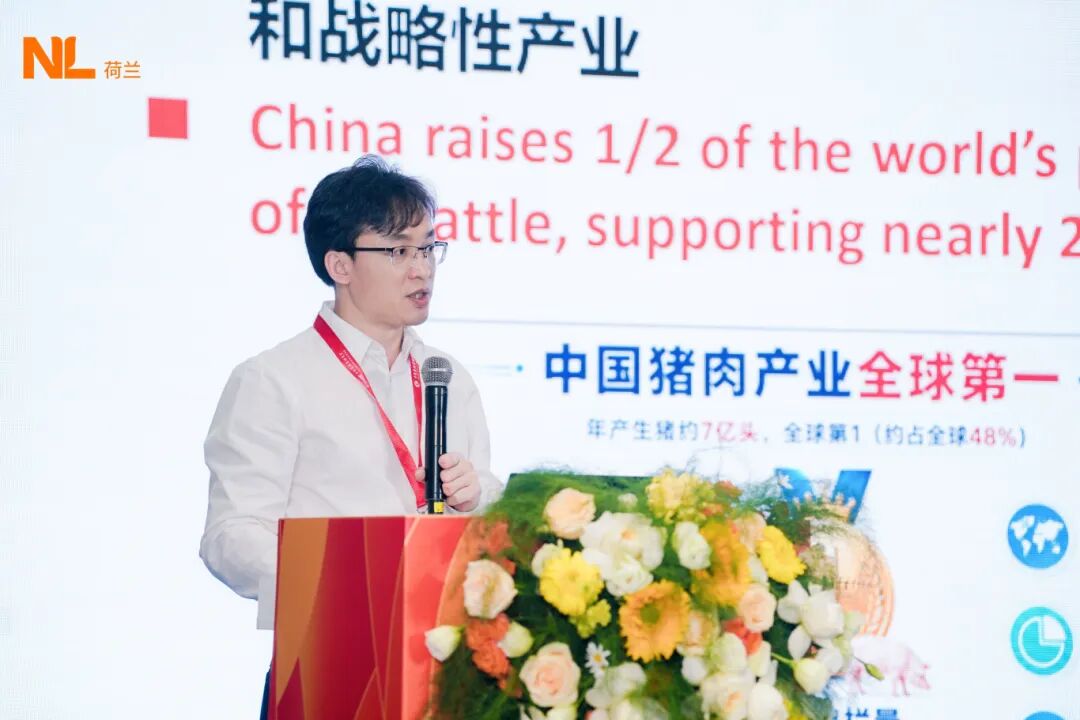
Tang Xiangfang
Intelligent sensing as infrastructure
Tang used intelligent sensing as an example. The future, he said, requires a low-cost, continuous, and non-contact system for collecting phenotypes. In this context, phenotypes refer to animals’ behaviour, body condition, health, and production performance in real production environments.
Such a system would change the current reliance on manual records, which are often low in frequency, costly, and prone to error. For pigs, the relevant data could include feeding behaviour, drinking frequency, body weight changes, backfat thickness, activity level, coughing sounds, and abnormal body temperature.
Once these data can be collected continuously, they can support reproductive prediction, disease warnings, precision nutrition, environmental control, and genetic evaluation.
“Intelligent sensing is not a single-point technology, but the infrastructure of future smart animal husbandry,” Tang said.
From exchange to joint development
Tang said Sino-Dutch cooperation in animal husbandry has both a strong foundation and considerable room to grow. China has a large consumer market and broad application scenarios, making it well suited for technology validation, model innovation, and industrial application and promotion.
The Netherlands, meanwhile, is an important country in modern animal husbandry, facility agriculture, and agricultural technology innovation. Its strengths are particularly clear in dairy farming, animal nutrition, environmental control, and animal welfare.
For that reason, Tang said, cooperation should not stop at individual technology exchanges. It should move towards joint research and development, joint demonstration, joint standards, and joint industrialisation.
He suggested several types of future cooperation projects, including joint smart farm demonstrations, joint low-carbon farming research, joint development of AI algorithms, industrial application and promotion of equipment and models, talent exchanges, and co-development of standards.
AgriPost.CN – Your Second Brain in China’s Agri-food Industry, Empowering Global Collaborations in the Animal Protein Sector.