Tecon said its hog production cost fell to about CNY 11.80/kg (USD 1.64/kg) in June after consolidating Qiangdu Xumu. The company expects the acquisition to support further cost reductions through unified capacity management, stronger biosecurity, feed and breeding improvements, and better regional logistics in Xinjiang.
Tecon has disclosed its latest hog production cost after consolidating Qiangdu Xumu (羌都畜牧), saying the figure had fallen to about CNY 11.80/kg (USD 1.64/kg) in June.
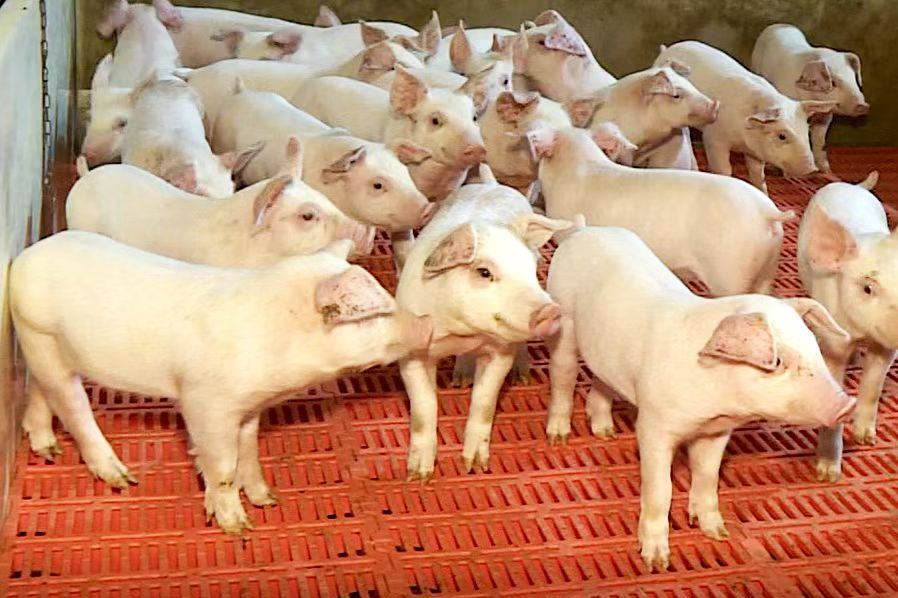
The company’s previously disclosed cost figure had remained at March’s level of CNY 12.28/kg (USD 1.71/kg). Its full-year target is to keep production costs below CNY 12.00/kg (USD 1.67/kg). Tecon completed the consolidation of Qiangdu Xumu in early June.
The route to lower costs, the company said, still rests on 3 areas it had highlighted before: genetic improvement, disease prevention and control, and feed optimisation. This time, it also added “management efficiency” to the list, meaning more refined operations to reduce losses across the board and improve labour productivity.
Tecon recently organised a site visit to Qiangdu Xumu for a number of institutional investors and released minutes of the event. The document focused in particular on the core value of the acquisition.
According to the company, the CNY 1.28 billion (USD 177.58 million) acquisition of a regional, large-scale hog producer during a low point in the industry cycle was a strategic move. It was based on the long-term trend toward more regulated and intensive hog production, and it was aimed at industry integration, cost optimisation, strategic positioning, and upgraded synergies.

Tecon said Qiangdu Xumu’s operations overlap with its existing farming layout in southern Xinjiang. Before the deal, the 2 sides operated independently, which led to duplicated regional construction, hidden surplus capacity, and homogeneous competition. That, the company said, was not conducive to orderly control of regional hog production capacity.
The acquisition does not add ineffective capacity, Tecon said. Instead, its focus is to bring the existing farming resources of both parties under unified control, optimise capacity, and standardise biosecurity management.
“The company will phase out inefficient capacity, close high-cost farm sites, and optimise its capacity structure, thereby implementing industry capacity-control requirements, effectively avoiding regional supply-demand imbalances and policy compliance risks, and achieving healthy and orderly development of the regional farming industry,” Tecon said.
Qiangdu Xumu’s farms are located in Ruoqiang and Yuli, along key transport routes out of Xinjiang. They can serve sales areas in northwest and southwest China, shorten transport distances, and reduce outbound freight costs. Together with Tecon’s layout in northern Xinjiang, the assets create north-south coordination and strengthen supply capacity for the 5 northwestern provinces and key consumption areas.
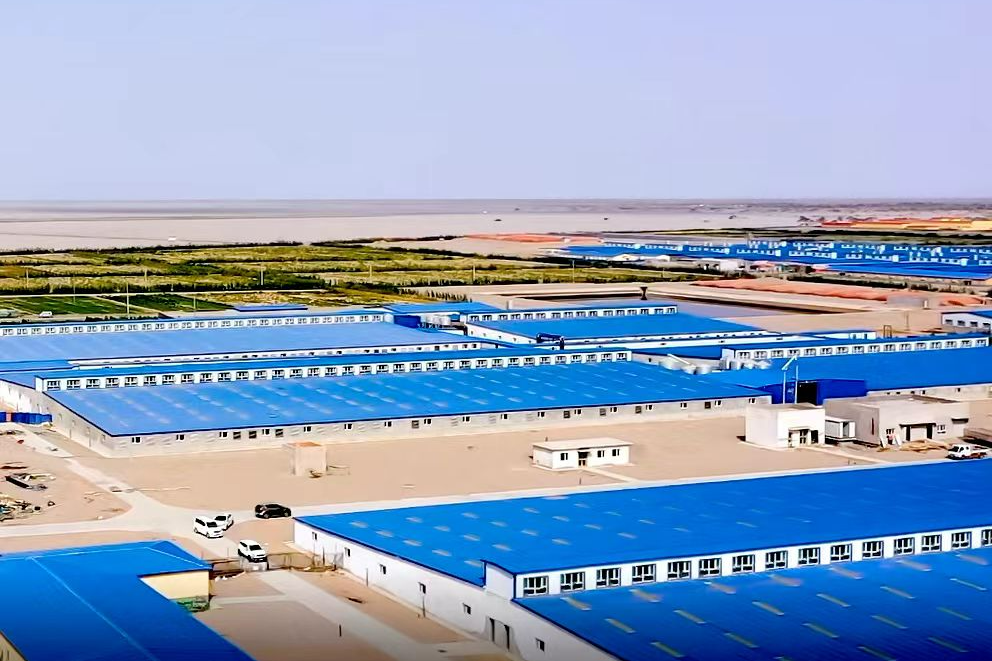
The company also sees the acquisition as a way to create significant industrial synergies by matching strengths and filling gaps. Qiangdu Xumu brings a mature, million-head-scale farming base, regional channels, and a low-cost operating system. Its shortcomings, Tecon said, are in breeding, feed nutrition research and development, and animal health technology reserves.
Tecon, by contrast, has core advantages across the whole industry chain. These include a breeding pig system, self-developed and self-produced animal vaccine technology, precision nutrition feed research and development, a supply chain system, food deep processing, and talent reserves.
After integration, Tecon said it will fully export its core systems in genetics, disease prevention, feed formulation, and technical operations to help Qiangdu Xumu improve quality and efficiency. At the same time, it will make use of Qiangdu Xumu’s southern Xinjiang location and local resources to unlock more value from Tecon’s whole-chain capacity. The company said this will support 2-way empowerment in technology, resources, markets, and talent, and continue reducing overall production costs.
“The company is focused on long-term industrial value, rather than being limited to short-term fluctuations in hog prices,” Tecon concluded. “Through this acquisition, it can secure scarce location resources, a mature low-cost operating system, high-quality strategic channels for outbound sales, and a stable regional industrial foothold.”
AgriPost.CN – Your Second Brain in China’s Agri-food Industry, Empowering Global Collaborations in the Animal Protein Sector.