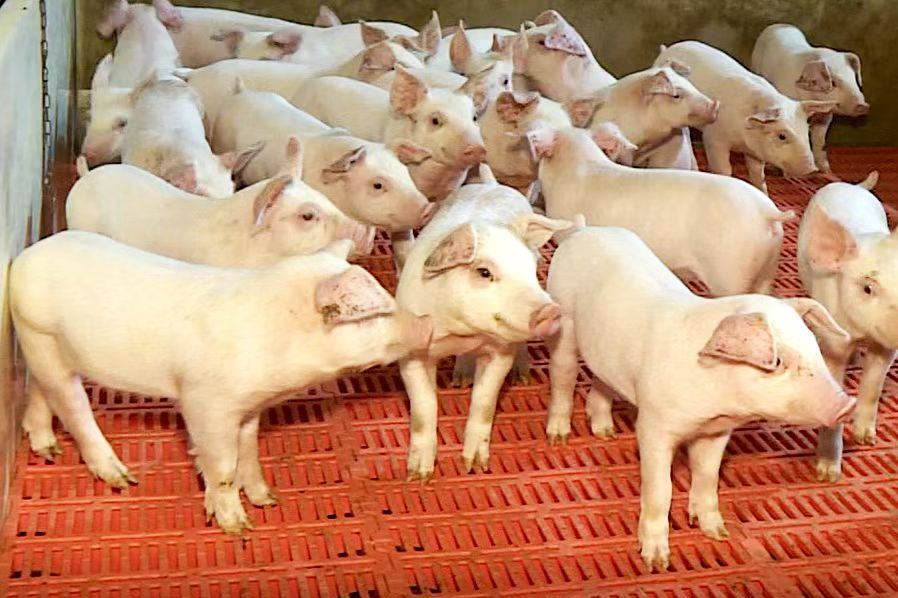
Muyuan expects a first-half 2026 loss of CNY 5.70–6.70 billion (USD 793.87–933.15 million) as China’s hog market remains weak. Still, the company showed resilience through slower output growth, active breeding sow reduction, continued cost cuts, profitable slaughtering operations, and strong cash reserves. Its production costs have fallen close to the annual target, reinforcing cost leadership as its key advantage through the hog cycle.
China’s largest pig producer, Muyuan said on the evening of July 10 that it expects to record a loss of CNY 5.70–6.70 billion (USD 793.87–933.15 million) for the first half of 2026, as hog prices remained depressed and the industry continued to move through a deep downturn.
That marks a sharp reversal from the same period last year, when the company reported a profit of more than CNY 10.50 billion (USD 1.46 billion).

According to Muyuan, the average selling price of its commercial pigs in the first half of the year was about CNY 10.40/kg (USD 1.45/kg), down roughly 28% year-on-year. Yet even in a severe loss-making environment, the company pointed to several bright spots: active capacity reduction, continued cost reduction and efficiency improvement, continued profitability in its slaughtering business, and sufficient cash reserves.
A strong ability to hit the brakes
Muyuan sold 38.62 million commercial pigs in the first half of 2026, excluding piglets and breeding pigs. That was almost flat compared with 38.40 million head in the same period last year, an increase of just 0.58%.
The figure stands in sharp contrast to the first half of 2025, when Muyuan’s hog marketings rose 32.48% year-on-year. In other words, the company has shown a clear ability to slow production when the market calls for it.
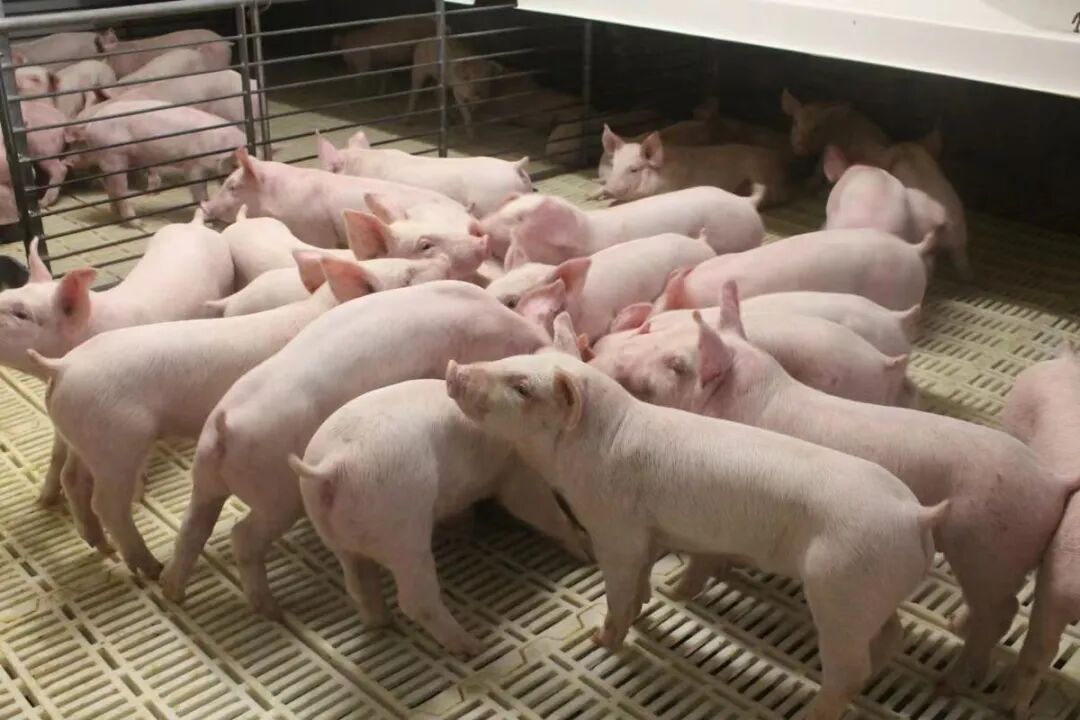
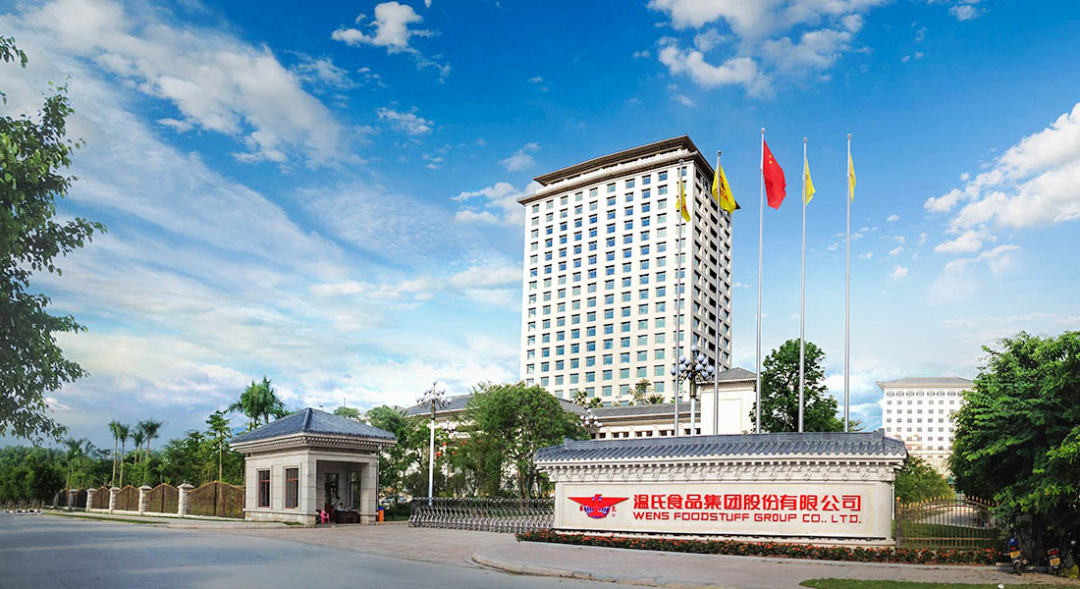
Among China’s 3 largest listed pig companies, Wens, the second-largest after Muyuan, marketed 17.81 million meat pigs, including live pigs and fresh products, in the first half of the year. That was up 7.17% from 16.62 million head a year earlier. On the same basis, New Hope increased its first-half output by 11.16%, from 6.39 million to 7.1064 million head.
Capacity adjustment continues
China’s current round of national hog capacity regulation has now been under way for a full year. Its starting point is widely seen as late May 2025, when the National Development and Reform Commission held regulatory talks with leading listed pig companies and called for fewer sows, controlled slaughter weights, and a ban on secondary fattening. In June 2025, the Ministry of Agriculture and Rural Affairs also set a full-year national target to reduce the breeding sow herd by 1 million head.
By the end of June 2026, Muyuan’s breeding sow inventory stood at 3.11 million head. That was nearly 510,000 head below its peak of 3.62 million head at the beginning of 2025. Of that reduction, about 390,000 head had already been completed during 2025.
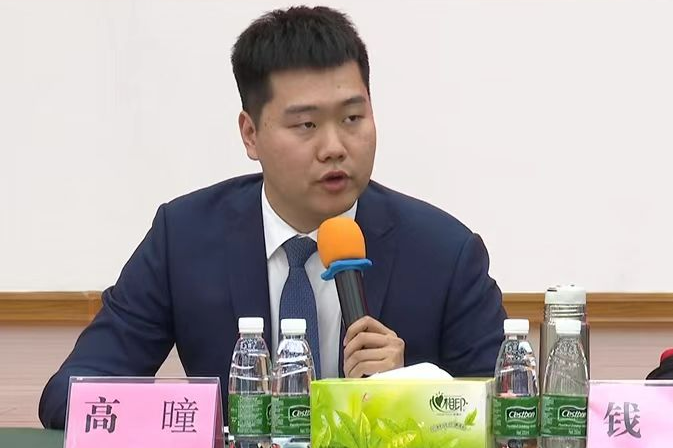
Gao Tong
Cost leadership remains key
Cost leadership has become Muyuan’s strongest tool for moving through the hog cycle. In May 2026, the company’s full production cost for hog farming had fallen to CNY 11.60/kg (USD 1.62/kg), close to its full-year target of below CNY 11.50/kg (USD 1.60/kg). Its best-performing farm lines have kept production costs stable at below CNY 11.00/kg (USD 1.53/kg), offering a clear route for further reductions across the business.
Muyuan President Gao Tong said the company had completed CNY 323 (USD 44.99) per pig of the CNY 600 (USD 83.57) per pig cost-reduction target it set in 2022 by the end of May 2026. That leaves a further CNY 277 (USD 38.58) per pig in potential savings.
The company will continue to use technological and management innovation, Gao said, standardising the best farming practices and then rolling them out across all farm lines.
“The farming industry has entered a stage of quality improvement. Muyuan’s core competitiveness lies in its continued focus on a cost-leadership strategy. In the future, the company is expected to use its cost advantage to obtain excess profits in the industry,” Gao said.
AgriPost.CN – Your Second Brain in China’s Agri-food Industry, Empowering Global Collaborations in the Animal Protein Sector.