Wens invested CNY 815 million (USD 113.51 million) in R&D in 2025, up about 13% year-on-year. Its research focused on breeding, digital and intelligent farming, feed nutrition, animal health, environmental technologies, and food processing, with projects ranging from pig genetic improvement and AI-assisted management to manure utilisation, odour control, disease purification, and pork thawing quality.
Wens spent CNY 815 million (USD 113.51 million) on research and development in 2025, according to the company’s 2025 annual report. That was about 13% more than the CNY 721 million (USD 100.42 million) invested in 2024.
The company said its R&D work in 2025 focused on livestock and poultry breeding, digital and intelligent farming, feed nutrition, healthy production, environmental ecology, and food processing. R&D spending as a share of revenue rose from 0.68% to 0.78%, while the number of R&D employees increased from 1,933 to 2,050.
Innovation was also part of Wens’ “4 transformations and 1 innovation” priorities for the year: strengthening thinking, refining management, deepening reform, optimising operations, and continuing innovation. In 2025, the company launched 262 new scientific research projects.
By the end of 2025, Wens had accumulated 8 national science and technology awards, 102 provincial and ministerial-level science and technology awards, 12 new livestock and poultry breeds, including 2 pig breeds, 9 chicken breeds, and 1 duck breed. It also held 65 new veterinary drug certificates, 380 valid invention patents, 781 utility model patents, and 169 national computer software copyrights.
Dynamic nutrition for native chickens
Looking at specific R&D projects in 2025, Wens selected 28 internal science and technology progress awards. The top prize went to a project on building dynamic nutritional requirements for Chinese native chickens, using the factorial method and artificial-environment climate chambers.
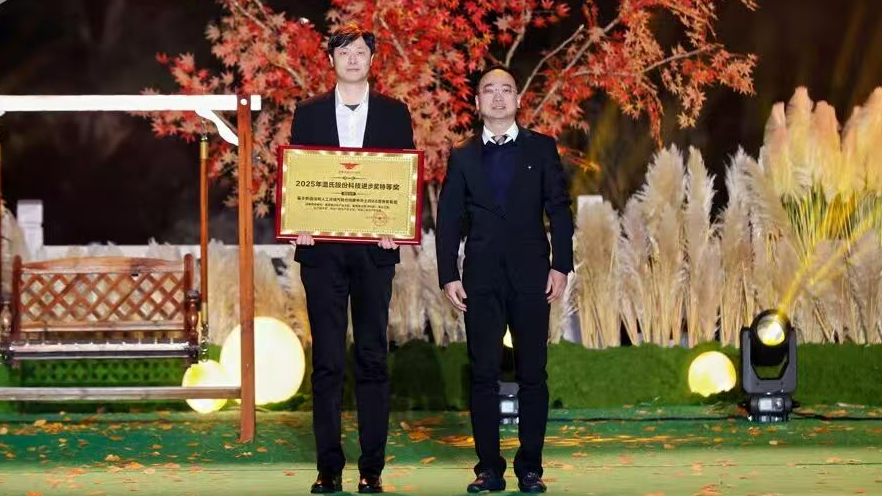
According to Wens, the project established a factorial model for the nutritional requirements of Chinese native chickens and independently quantified the key coefficients. Through feature engineering and hyperparameter tuning, it also built a machine learning model and created China’s first dynamic nutritional requirement prediction system.
The aim is to use the factorial model to optimise nutrient requirements, better reflect the actual nutritional needs of broilers, reduce feed formulation costs, and improve product quality. Wens said the results should significantly improve the economics and risk resistance of Chinese native chicken production, raise feed utilisation efficiency, and improve broiler carcass quality.
Breeding, AI, and feed nutrition
In livestock and poultry breeding, Wens carried out selection work for specialised high-yield, high-quality lean pig lines and matching hybrid combinations, as well as the development of efficient Muscovy duck lines.
For pigs, the breeding project involved 8 specialised lines: 4 sire lines and 4 dam lines. It also screened 2–3 hybrid combinations suited to market demand in South China, Southwest China, and northern China.
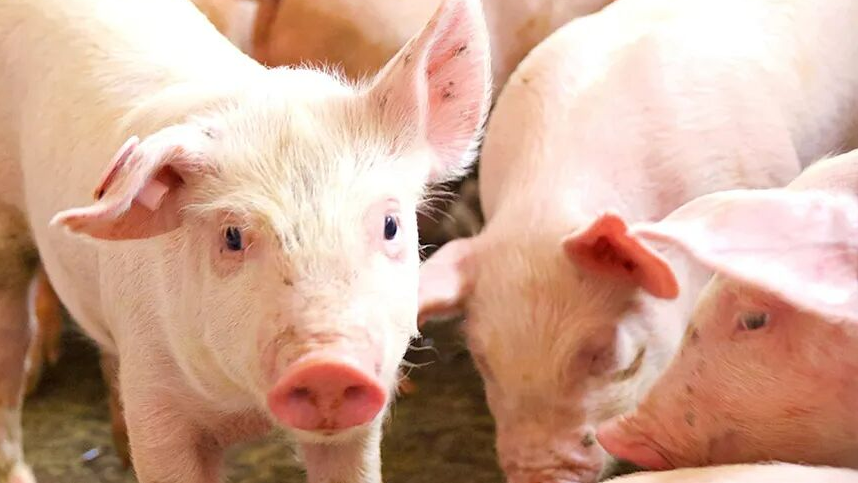
In digital and intelligent farming, Wens worked on AI-enabled research for full-cycle engineering and construction management. The expected result is a set of AI-assisted tools suitable for the company’s current construction management needs, improving efficiency and quality.
The company also worked around 3 core indicators: “intelligent precision marketing,” “live chicken breed layout,” and “intelligent risk control.” By studying and building big data-enhanced analytical technologies and applications, Wens aims to use business data for intelligent marketing and risk control, supporting sales decisions at different company levels.
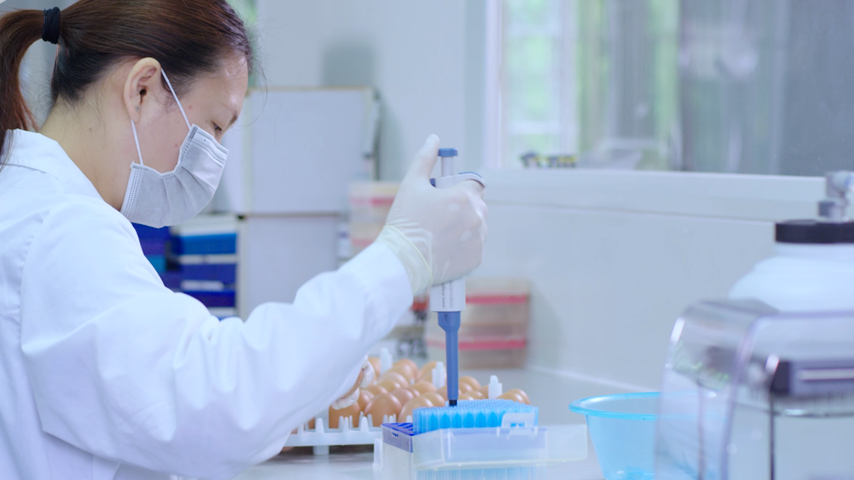
In feed nutrition, Wens studied suitable dietary energy and protein levels for Tianlu white Muscovy Parent Stock (PS) breeding ducks during the laying period. It also established and applied near-infrared qualitative models for feed ingredients. The latter project has already built models for 60 commonly used feed ingredients, helping prevent adulterated or mixed raw materials from harming production.
Health and environmental projects
In healthy production, Wens researched and promoted purification technologies for important poultry breeding-stock diseases. The goal is to tackle, at source, the threat posed by avian leukosis and Salmonella pullorum to the company’s Chinese native chicken production.
In pigs, Wens carried out research and application of pseudorabies purification technologies in purebred farms and multiplication farms, effectively reducing piglet costs. The company also completed construction of a disease sequencing experimental platform.
Environmental ecology was another major R&D track. Wens’ project on the safe farmland use and efficient resource utilisation of livestock and poultry manure established 10 demonstration bases for the safe use of pig farm biogas slurry across Northwest, Northeast, North, Southwest, and South China.
The company also developed 2 resource utilisation plans for pig farm biogas slurry and wastewater, adapted to different regional environmental conditions. In addition, it established 1 long-term operating model and a complete technical standards system for manure resource utilisation and safe farmland application in key livestock and poultry farming regions.
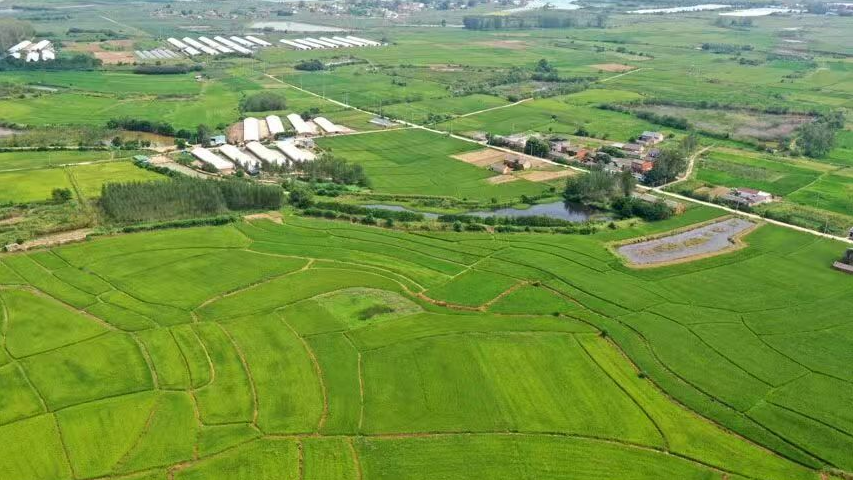
Through crop-livestock integration, Wens expects to reduce livestock and poultry manure treatment costs by more than CNY 300.00/t (USD 41.78/t). It also expects crop production costs to fall by more than CNY 300 per mu (USD 626.43/ha).
Odour control and carbon reduction
Wens also researched and applied odour control technologies for livestock and poultry houses. Its micro-nano bubble-enhanced ternary reaction technology system has lifted overall deodorisation efficiency to 92%. The system won second prize for environmental technology progress from the China Association of Environmental Protection Industry.
The long-term target is to build a combined physical-chemical-biological deodorisation process and form 1–2 domestically leading standard deodorisation and operation packages for the fan exhaust end of livestock and poultry houses.
Another project focused on key technologies and demonstrations for pollution reduction and carbon reduction in livestock farming. Wens aims to develop a carbon sequestration accounting methodology for returning manure fertiliser to fields, build a technical model for manure resource utilisation, pollution reduction, and carbon reduction, and formulate group or industry standards for carbon sequestration accounting and emission-reduction monitoring.
For demonstration projects, the company also plans to carry out pollution and carbon-reduction assessments and propose optimised technology application plans. The broader aim is to support industrial transformation and upgrading, as well as green, low-carbon, high-quality development.
From thawed pork to food safety
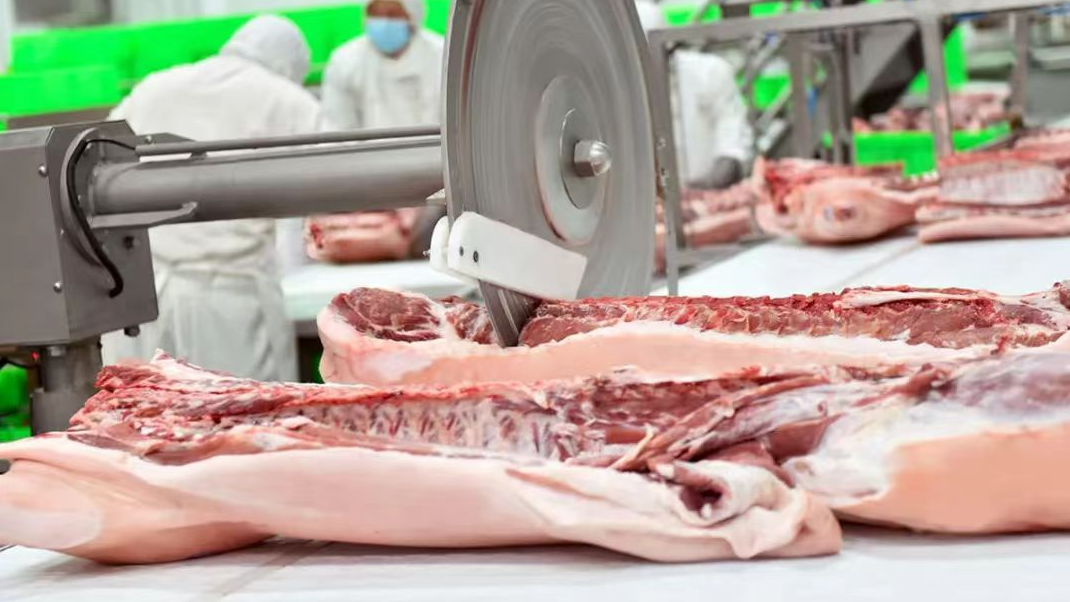
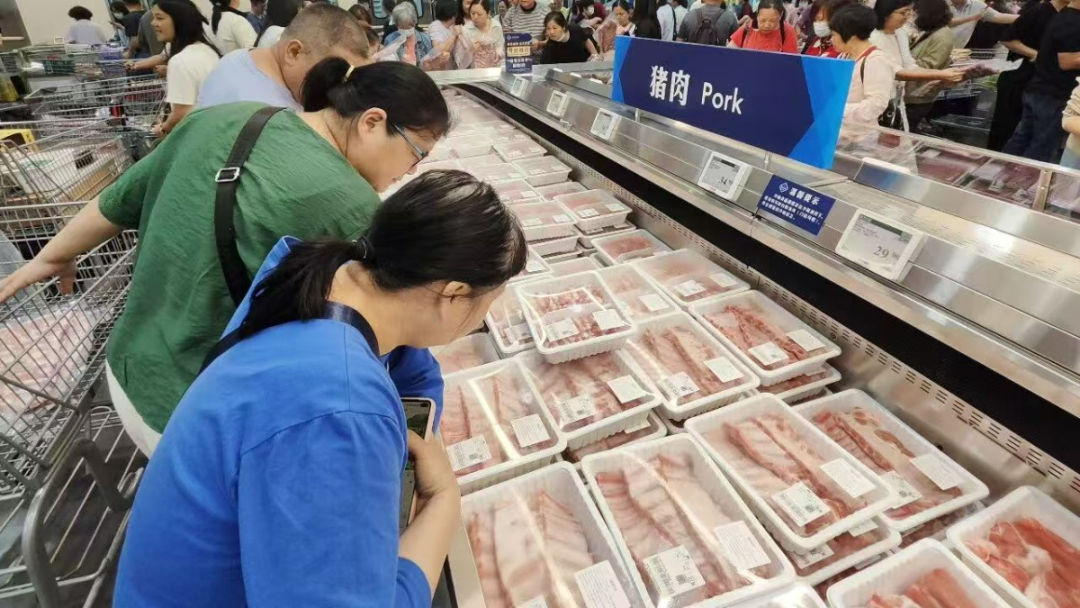
In food processing, Wens studied the effect of low-temperature, high-humidity electrostatic fields on pork thawing and eating quality. The project is expected to develop 1 set of thawing equipment and 1 optimal process for thawing pork under those conditions.
According to Wens, the technology should make thawed pork look closer to fresh pork, improving its commercial value, nutritional value, and eating quality.
At the same time, through new technologies and platforms for quality and safety supervision of livestock and poultry products, Wens built a domestically and internationally advanced food safety standards system, a unified traceability and early-warning system, and a full-chain process control system. In doing so, the company further strengthened its food safety supervision safeguards.
AgriPost.CN – Your Second Brain in China’s Agri-food Industry, Empowering Global Collaborations in the Animal Protein Sector.