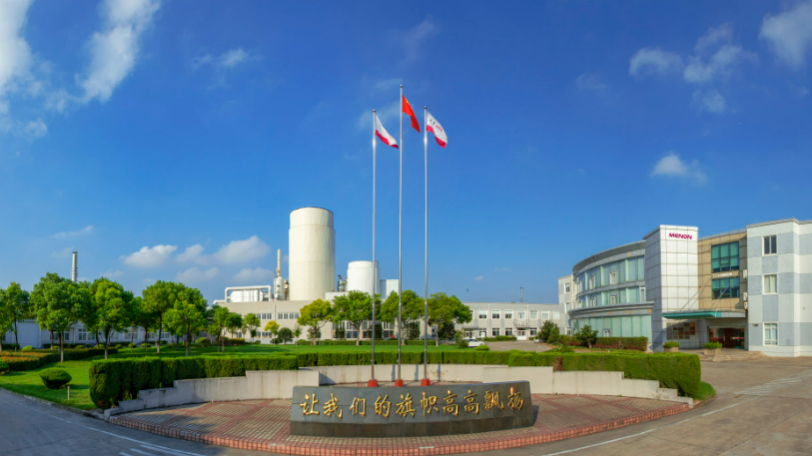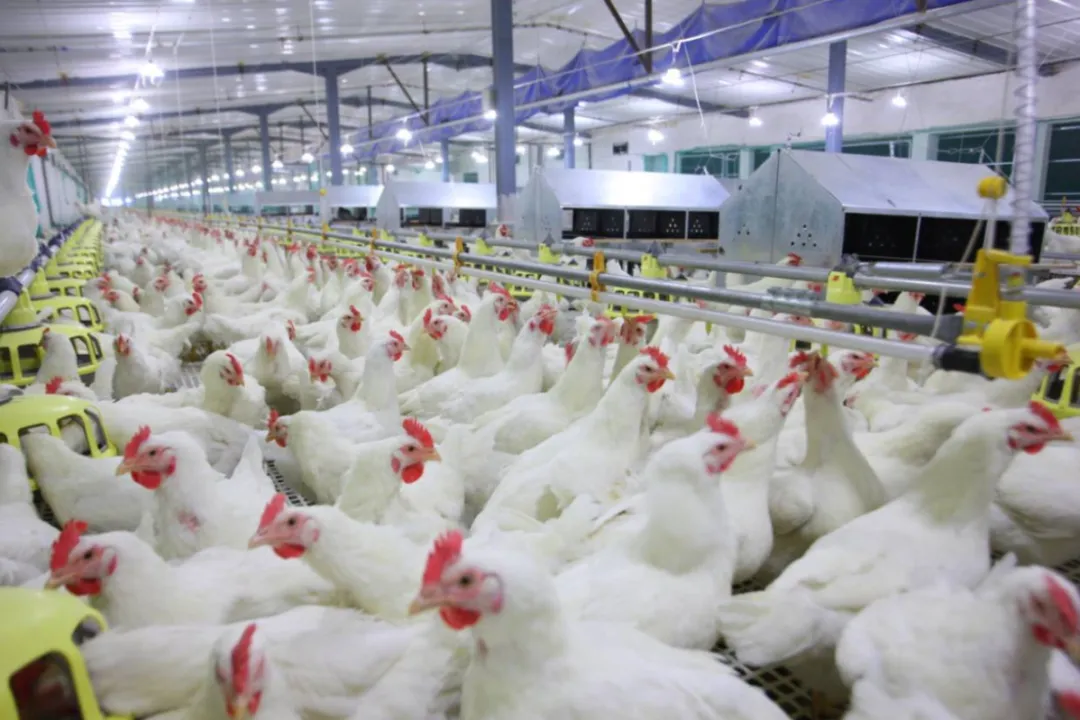
Tecon has become the largest pig farming enterprise in Xinjiang China after completing its acquisition of Qiangdu Animal Husbandry. The company expects to market about 3 million hogs annually in Xinjiang and has set a 2026 total hog marketing target of 4.75 million head. Tecon is focusing on genetics, disease control, feed optimisation, and full-chain coordination to reduce costs and strengthen profitability.
Chinese agribusiness company Tecon says it has become the largest pig farming enterprise in China’s Xinjiang region after completing its acquisition of Qiangdu Animal Husbandry on June 3, 2026.
The company said on June 26 that the combined business is expected to market about 3 million hogs per year in Xinjiang. The comment was made during the 2026 online investor reception day for listed companies in Xinjiang.

Including the output of Qiangdu Animal Husbandry, Tecon has set a 2026 hog marketing target of 4.75 million head. That implies roughly 1.75 million hogs will be marketed outside Xinjiang, mainly in Gansu and Henan.

In 2025, Tecon marketed 3.1902 million hogs, up 5.34% year-on-year. From January to May 2026, its hog output reached 1.4488 million head, up 12.74%.
Cost reduction from genetics to feed
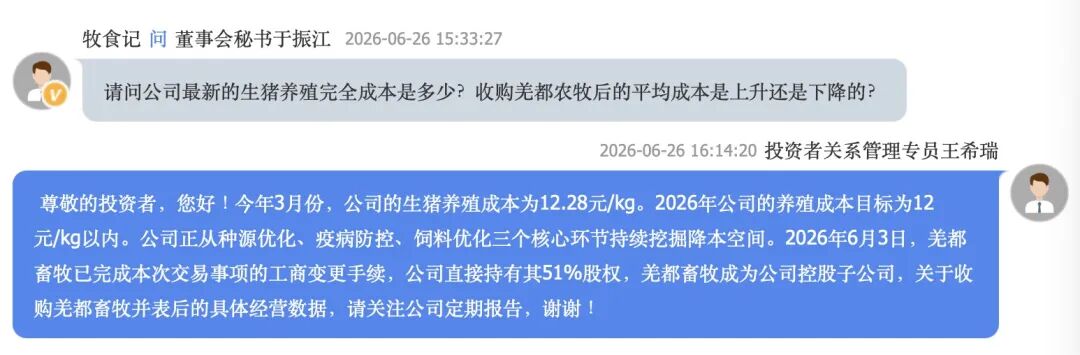
On production costs, the company only disclosed that its March figure stood at CNY 12.28/kg (USD 1.71/kg). Its full-year target is to bring costs below CNY 12.00/kg (USD 1.67/kg).
“The company is continuing to explore cost-reduction potential in 3 core areas: genetic source optimisation, disease prevention and control, and feed optimisation,” Tecon said.
On the genetics side, Tecon said it will continue to improve Danish-line pig breeds, increase the number of viable piglets, and further raise production efficiency. The aim is to reduce ineffective cost input at source and strengthen the basis for lower production costs.
At the same time, the company said it will continue to optimise its biosecurity system, promote disease purification, improve prevention and control programmes, and strengthen implementation on farms. That, it said, should help protect herd health, reduce production losses caused by disease, and limit additional costs.
Feed is another key focus. Tecon said it will use Xinjiang’s location to expand raw material import channels from Central Asian countries and increase the substitution of advantageous ingredients. It also plans to take part in state temporary-reserve wheat auctions and other raw material auctions to cut procurement costs.
In formulation, the company said it will push further into precision nutrition, adjusting diets dynamically according to ingredient prices. The goal is to replace high-priced ingredients where possible while still meeting the nutritional needs of livestock and poultry.
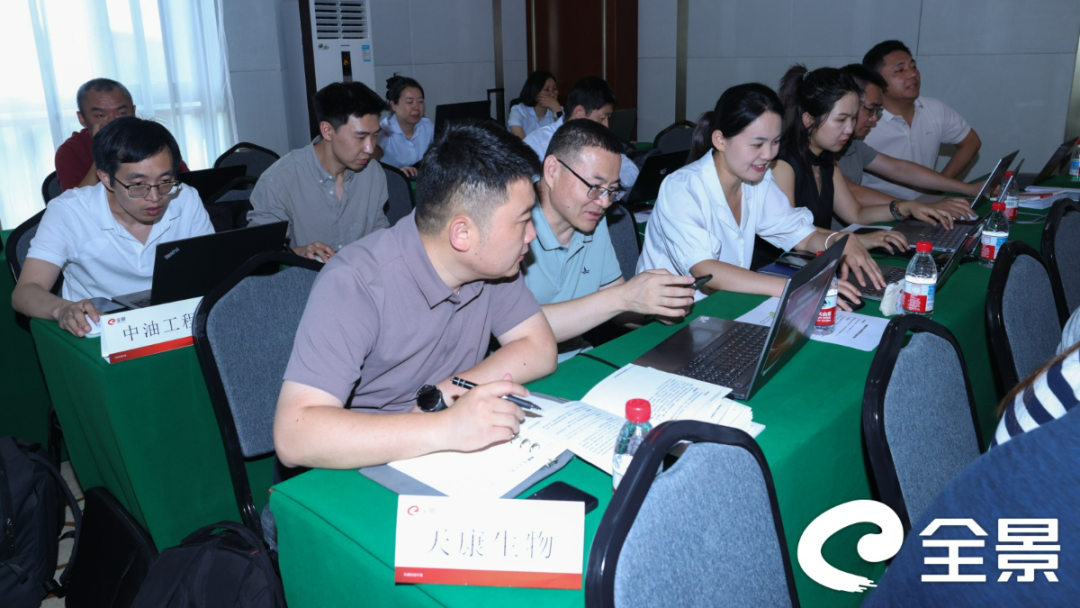
Tecon Board Secretary Yu Zhenjiang and other company representatives at the collective investor reception day event.
“In addition, we will deepen refined management across the board and embed the cost-reduction concept throughout the entire production process,” the company said. “Through coordinated efforts across all links, we will strive to ensure that the 2026 cost-reduction target is implemented effectively, further improving profitability and core competitiveness.”
Full-chain coordination
Tecon was founded in 1993 and listed on the Shenzhen Stock Exchange in 2006. It is a state-controlled enterprise under Xinjiang Production and Construction Corps.
Its main businesses cover feed, pig farming, and animal health. The company has also built a complete industrial chain, spanning improved livestock and poultry breeding, feed and farm management, veterinary medicines and livestock and poultry disease prevention, and the processing and sale of livestock and poultry products.
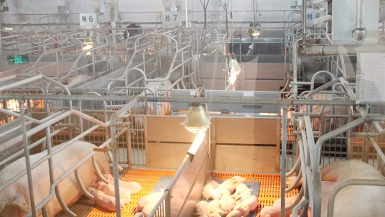
In 2025, Tecon recorded total revenue of about CNY 17.00 billion (USD 2.37 billion). Pig farming and food processing contributed about 34% of that total, feed about 31%, veterinary vaccines 5%, and other businesses, including raw material storage and processing, about 30%.
“The coordinated development of all business segments in the industrial chain fully takes into account risk resistance and profit stability,” Tecon said. “Under the full-chain development strategy, the company will gradually increase its focus on pig farming and the food.”
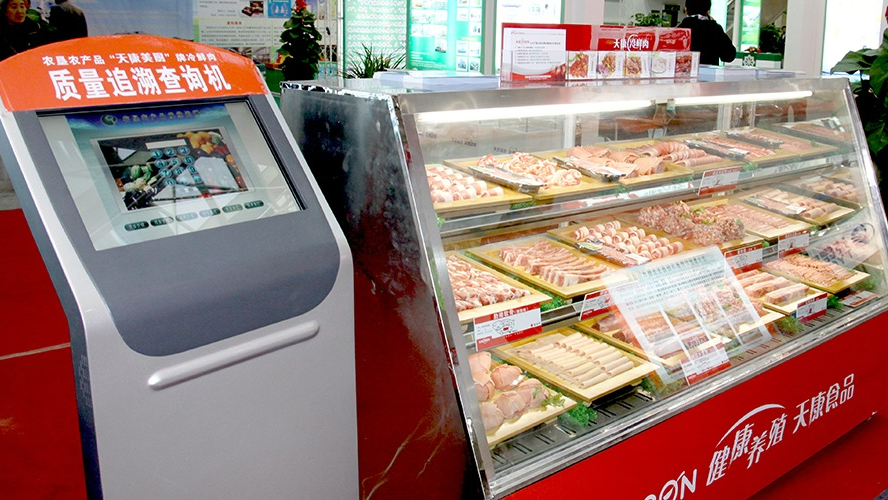
The company currently has annual slaughtering capacity of 3 million hogs. It is also actively developing food processing, having launched products including sauced and braised ready-to-eat foods, pre-prepared pork chops, sausages, and chilli sauce, which have already entered the market.
Adjusting feed and vaccine businesses
As changes in upstream and downstream livestock farming reshape the feed and vaccine sectors, Tecon said it is actively adjusting. Its response centres on “cost reduction, quality improvement, and efficiency gains,” with a focus on core businesses, deeper reform, and stronger innovation.
In feed, the company said it will streamline low-efficiency products and focus on core categories such as pig feed and ruminant feed. Scale production, formula optimisation, and centralised procurement will be used to reduce costs across the chain and retain core customers through value-for-money products.
In pig farming, Tecon said it will follow national capacity regulation, eliminate inefficient capacity, focus on advantageous regions, and use refined management to further reduce production costs and improve its ability to withstand hog-cycle swings.
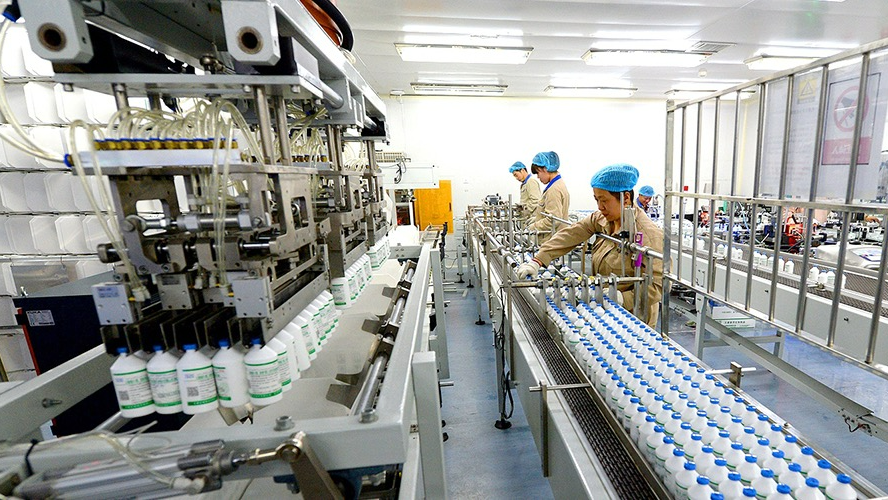
In pharmaceuticals, the company said it will abandon low-value, homogeneous products and concentrate on core products for foot-and-mouth disease, Mycoplasma, pseudorabies, and Porcine Epidemic Diarrhea Virus (PEDV). The aim is to raise technology content and product premiums.
Tecon also said it will continue to follow a development approach of “driving output through efficiency rather than scale expansion..” In line with national capacity-control requirements, it will suspend production at old farms or sites with backward capacity when appropriate, lowering inventory scale.
At the same time, the company said it will make full use of Xinjiang’s advantages in disease prevention and imported raw materials, turning “location dividends” into “cost dividends.”
Looking beyond China
Tecon also outlined a plan to deepen its domestic presence while expanding internationally.
In China, it will focus on core regions and core customers, strengthen direct sales and technical services, increase market penetration, and accelerate the development of deep food processing.
Internationally, the company said it will rely on Xinjiang’s location to further develop markets in Central Asia and Southeast Asia. It plans to expand vaccine and feed exports as well as raw material imports, while building a dual domestic and international circulation model. It will also push market-oriented marketing in its pharmaceutical business to raise its market share both at home and abroad.
AgriPost.CN – Your Second Brain in China’s Agri-food Industry, Empowering Global Collaborations in the Animal Protein Sector.