China’s livestock industry is accelerating AI adoption, moving from basic monitoring towards decision-making, automation, and full-chain integration. Rising labour costs, disease risks, and efficiency pressures are driving this shift, while AI agents are expected to play a growing role in farm management.
China’s livestock sector is looking for higher-quality growth, and in 2026 that is turning artificial intelligence (AI) farming into a busy field.
Several of the country’s leading livestock companies are stepping up their efforts. Pig producer Muyuan has received support from both Alibaba Cloud and Huawei. Its large model for pig production moves AI from “reading data” to “making judgments,” with the prospect of sharing it openly to benefit the wider industry.
Wens, active in both poultry and pigs, has joined Huawei, the Chinese Academy of Agricultural Sciences, and iSoftStone to establish the AI4S science and technology innovation platform. The move takes its use of AI from “AI + production” towards “AI + research,” extending intelligence into agricultural R&D.
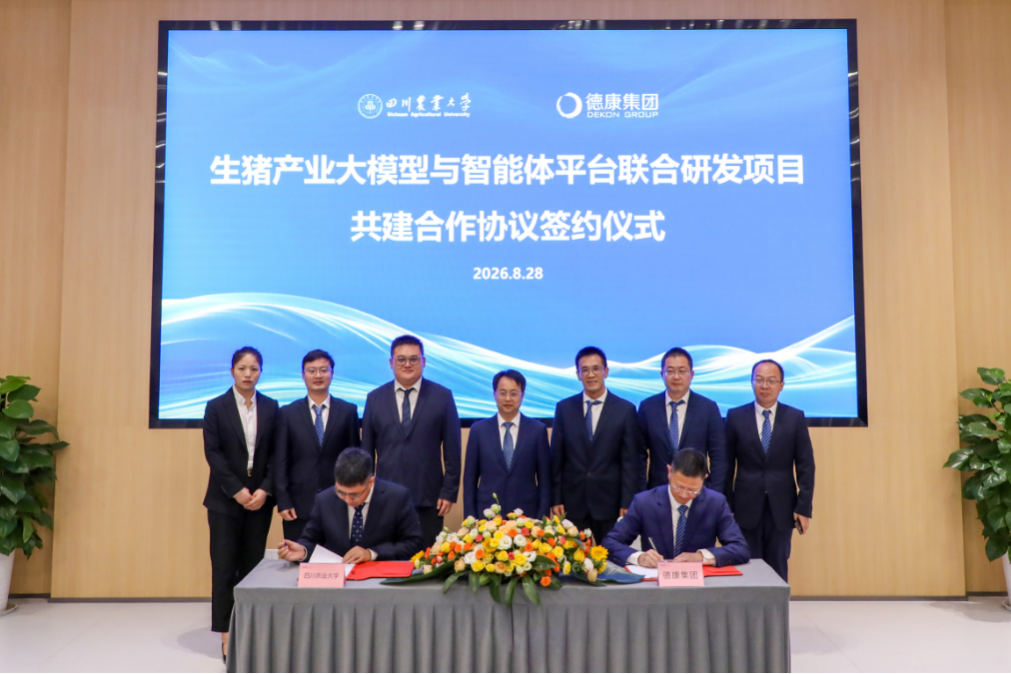
More recently, Dekon, now in China’s first tier in terms of livestock production costs, joined Sichuan Agricultural University to launch a joint R&D project for a “large model and agent platform for the pig industry.” The project will explore coordinated AI applications throughout the pig chain, covering breeding and production through to slaughter and processing.
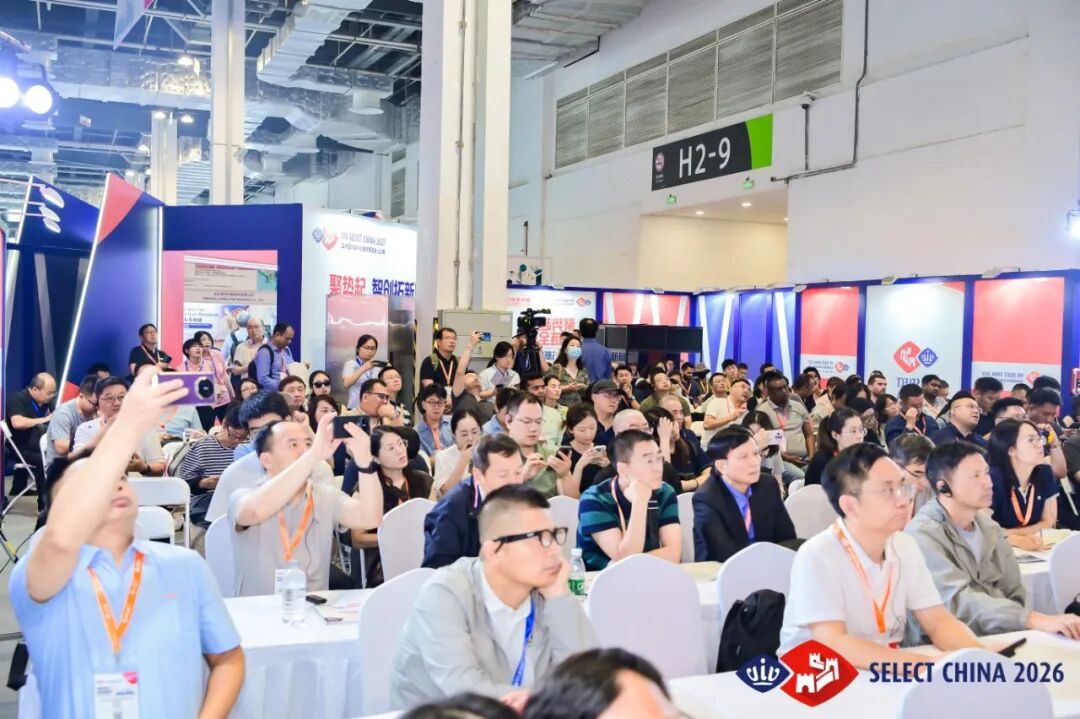
The same direction was clearly visible at the recent 8th VIV International Livestock Industry Innovation and Development Summit, co-organised by AgriPost. Large-model developers, robot manufacturers, local “unicorns,” and international platforms all took to the stage. Their backgrounds differed, yet the message was strikingly similar: AI farming has moved beyond the question of whether to adopt it. The race is now about how to use it – and how far to go.
Why now?
Performance gaps provide perhaps the most direct incentive.
Gao Yanhong, vice president of Lasseter Robot (Shenzhen) Co., Ltd., a company strategically invested in by Wens, referred to a 2025 report from Huazhong Agricultural University. According to the report, PSY (pigs per sow per year) stood at 22 in China and 35 in Denmark. Litter size at weaning was 10.1 and 15.2 piglets, respectively, while the feed conversion ratio (FCR) for finishing pigs was 3.02 in China and 2.63 in Denmark.
“The root of the gap is not the breed, but the lack of refined and standardised management of sow bodyweight and body condition during gestation and lactation,” Gao said.
For an industry currently suffering heavy losses, she said, that is one of the most realistic areas in which to reduce costs and improve efficiency.
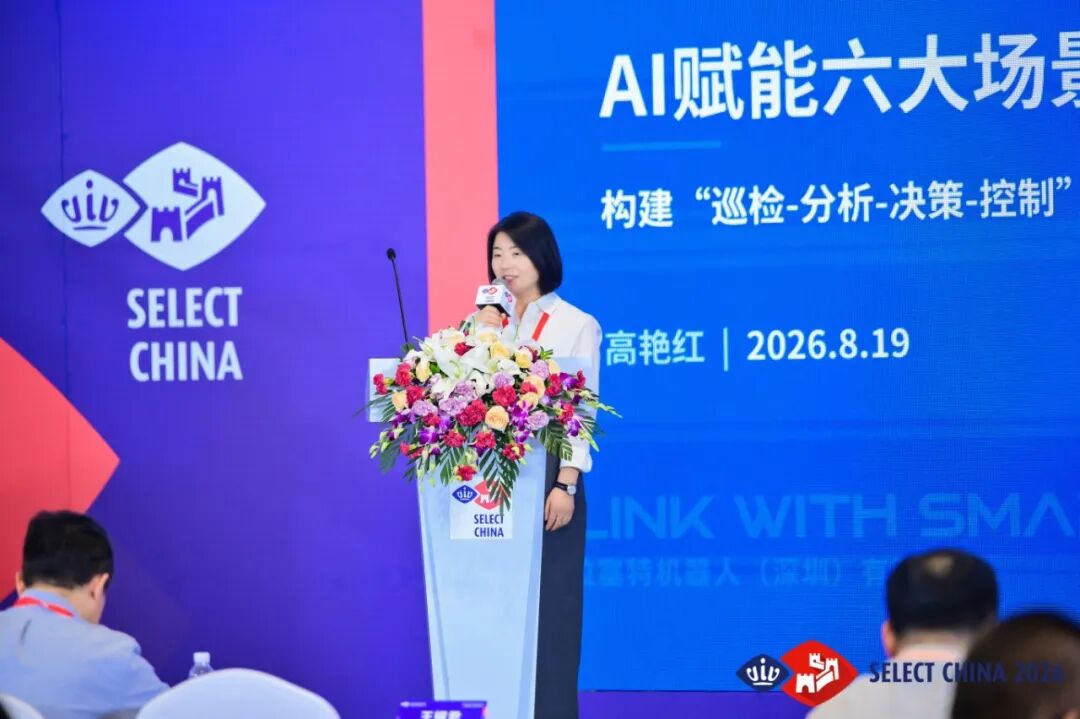
Gao Yanhong
Labour is another factor. Yang Lei, chief engineer at Little Giant Livestock Equipment Co., Ltd., said large-scale layer farms face 3 major challenges: a labour crisis, cost pressure, and production risks that are difficult to control. Traditional environmental control systems in particular have management bottlenecks.
“The human factor is the biggest variable,” Yang said. Replacing that uncertainty with robots, in his view, provides a route forward.
Dr Wang Yaojun, head of the Shennong large-model team at China Agricultural University, pointed to the same trend. Labour costs are rising, while younger generations are increasingly reluctant to enter livestock houses. Replacing reliance on experience with “AI vision + Internet of Things” is therefore becoming inevitable, he said.
At the same time, disease threats such as African Swine Fever (ASF), porcine reproductive and respiratory syndrome (PRRS), and influenza have become a normal part of the operating environment. Early disease detection and biosecurity capabilities are therefore becoming decisive competitive factors. For companies aiming to get ahead, digital management tools have already shifted from an option to a necessity.
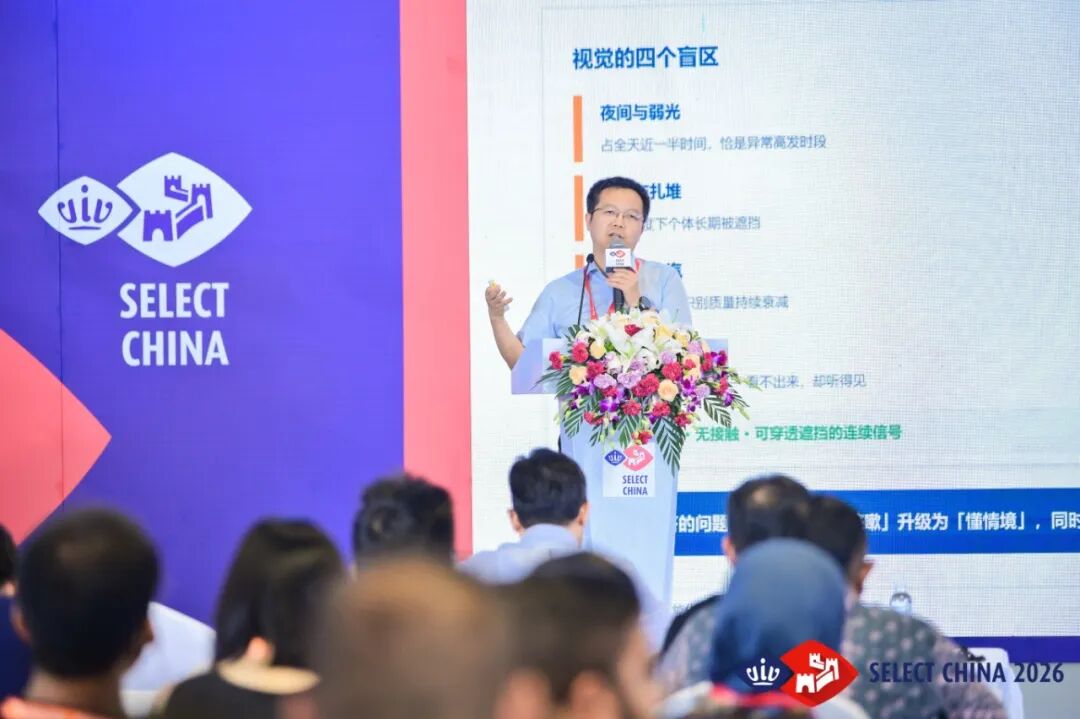
Dr Wang Yaojun
AI is also better positioned for further agent deployment than it was a few years ago, Wang said.
One reason is the orders-of-magnitude decline in AI inference costs. Systems can move from occasional pilots to always-on applications, without marginal usage costs becoming a major constraint on adoption.
“The reduction in inference costs makes it more feasible for every area of agriculture to rebuild multiple processes with AI,” Wang said.
Secondly, images, video, sound, and other types of multimodal information can now be processed within the same model. That means more than 90% of the unstructured data generated on farms can, for the first time, become genuinely computable and contribute to more scientific decision-making.
Other developments are converging as well. Model decisions can be traced, systems can operate without an internet connection, responses can be delivered within milliseconds, and data can remain on the farm. Together, Wang said, agriculture now has the conditions for AI that is affordable, understandable, explainable, and deployable on-site.
2026: The year agents go to work at scale
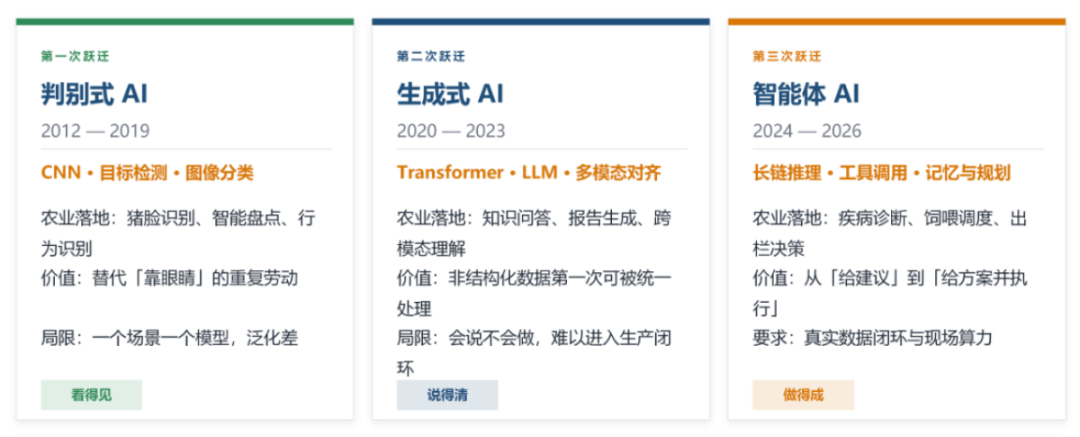
Wang described AI development as involving 3 major leaps: from discriminative AI to generative AI, and then to agentic AI.
With every step, AI moves higher up the value chain – from recognition towards decision-making. The problem it solves also evolves: from being able to “see” something, to explaining it clearly, and eventually to getting something done in practice.
A similar 4-step ladder can be applied to the digital maturity of livestock companies. Level 1 is informatisation: recording what has happened. Level 2 is digitalisation: seeing what is happening. Level 3 is intelligence: understanding what is being seen. Level 4 is autonomy: automatically acting on that understanding.
According to Wang, most livestock companies are still somewhere between Levels 1 and 2.
Dr Yin Hang, vice president of Jiangsu Famsun Intelligent Technology Co., Ltd., said industrial applications of AI also remain relatively concentrated. At present, they mainly involve visual image recognition, such as smart site security and online quality inspection. That leaves considerable room to explore additional applications in livestock production.
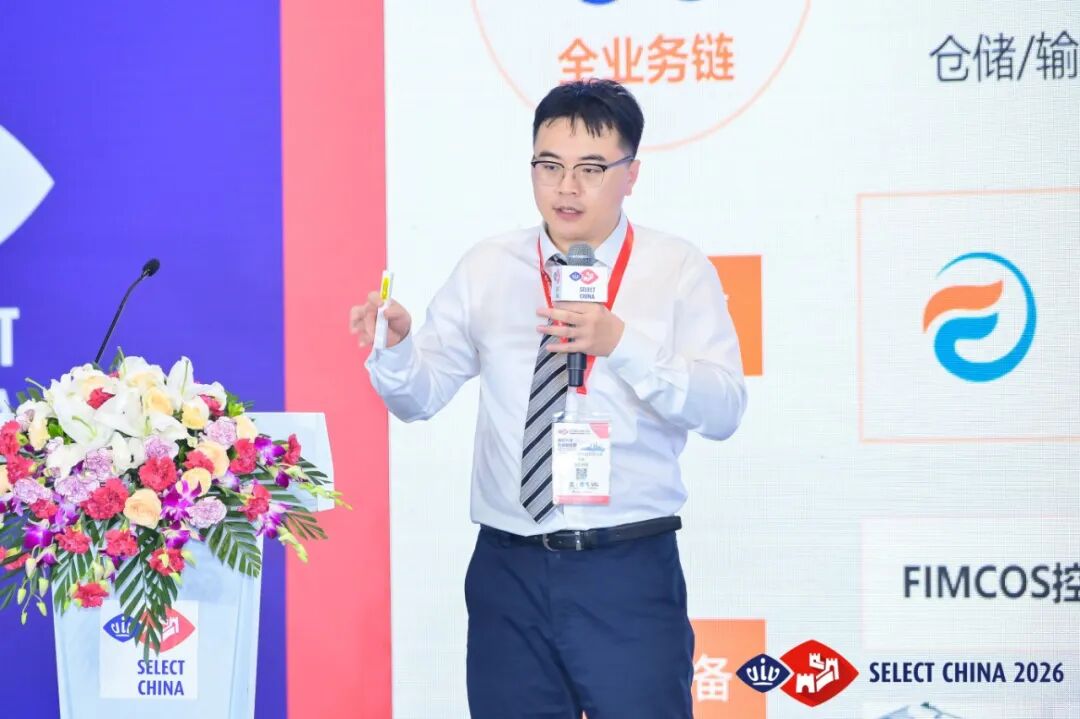
Dr Yin Hang
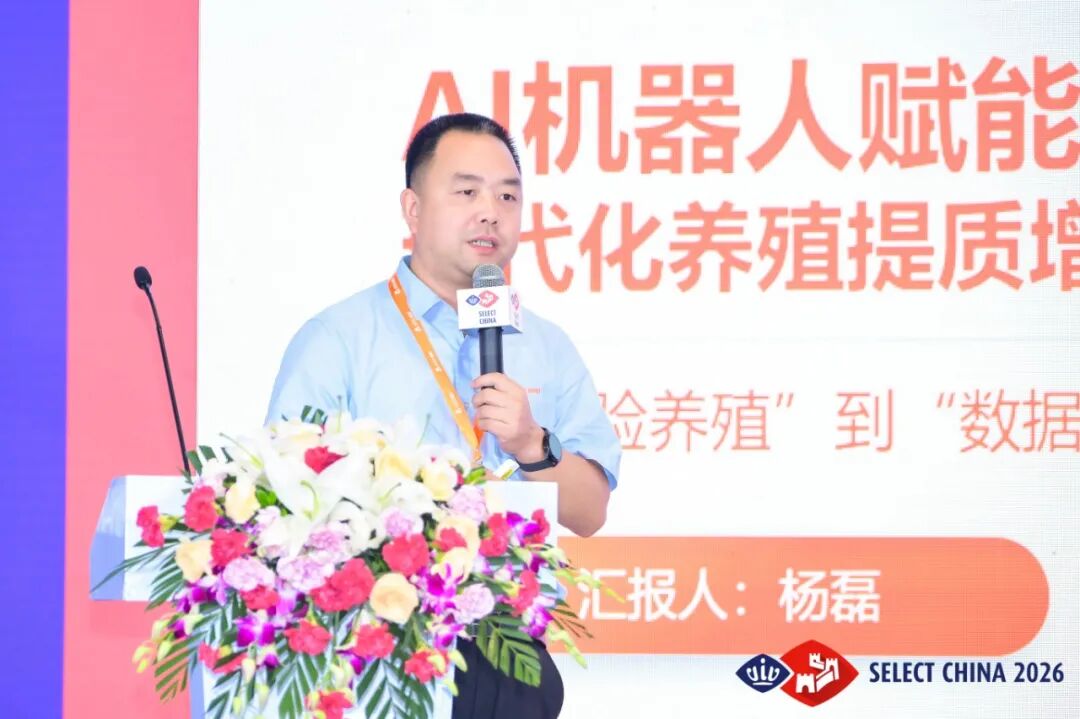
Yang Lei
Yang expects that to change as intelligence levels rise. AI functions, he said, will evolve from relatively simple warnings towards autonomous planning and decision-making.
“That means the human role will also change, from an operator on-site to a higher-level system governor,” Yang said.
He described 2026 as a landmark first year for the large-scale deployment of multiple AI agents inside companies. During this period, intelligent farming systems involving coordination between multiple machines and autonomous decision-making will complete technical validation and move from pilot projects towards full-scale adoption.
For Yang, the significance goes well beyond efficiency. It will ultimately change the relationship between people working in agriculture, farming itself, and the land.
From saving money at one point to creating value across the chain
AI is also developing into a growth engine for livestock companies, Wang said. He identified 4 main levers: reducing costs, improving efficiency, controlling risks, and creating added value.
Precision feeding and medication supported by AI can enable “individual management,” rather than the conventional approach of managing animals according to averages. That can directly reduce costs in feed and labour, which together account for 70% of farming costs, he said.
AI can also release employees from repetitive work, substantially improving efficiency and allowing each manager to oversee an area of production several times as large.
Most companies are already working on those first 2 levers, Wang said. They represent money that can be “saved.”
The bigger difference will come from the other 2 – money that can be “grown.” AI can help manage disease risks, while traceability can support brand premiums and create additional value throughout the chain.
“Point solutions can only save money; connecting the entire chain is what creates money,” Wang said. In his view, data only begins to generate compounding value when it can move between different parts of the operation.
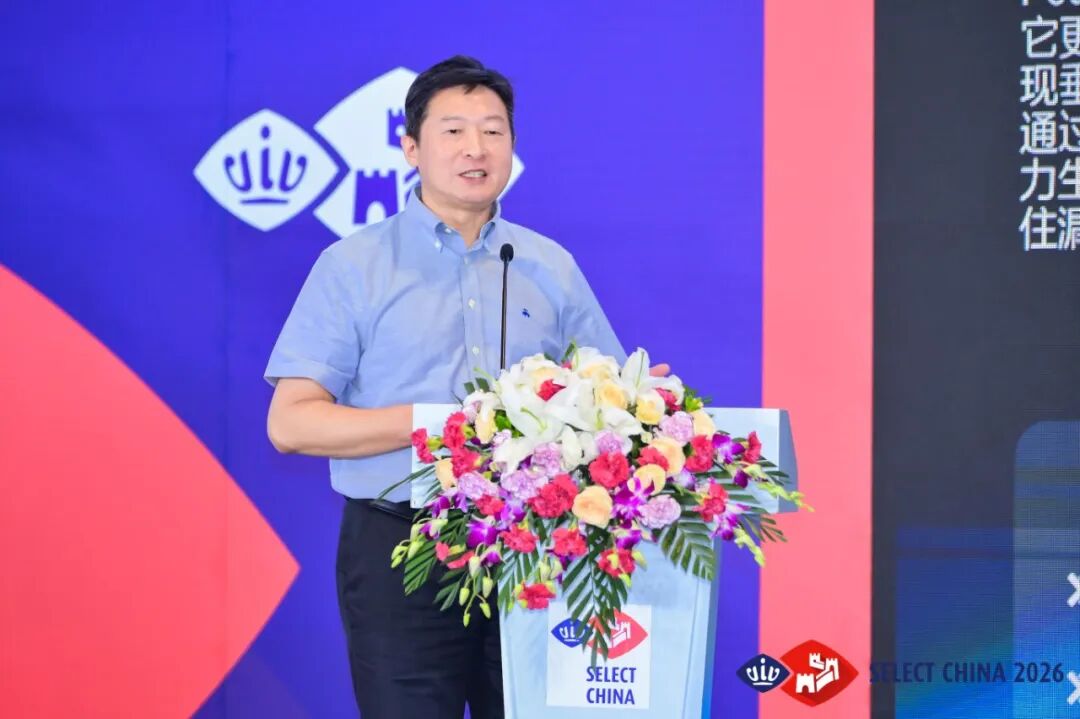
Dr Huang Juhui
Fragmented data, on the other hand, can quickly result in finger-pointing when problems arise.
Dr Huang Juhui, China partner at Poulta Inc, gave a familiar example: “You say it is a problem with the chicks, I say it is your feed, and he says it is a farming problem.”
The result is that companies struggle to identify the true cause accurately and take the right action.
Solutions presented by Little Giant, Lasseter, and Poulta all follow broadly similar principles: break down data barriers and create a closed loop around real-time monitoring, AI data analysis, and decision instructions.
Yang expects livestock farms ultimately to move towards unmanned operation throughout processes such as feeding, environmental control, manure removal, and disease inspection. The aim is more efficient and intelligent farm management.
Making that transition from isolated intelligence to full-chain integration, however, is far from straightforward.
Yin said combining each independent system into a single whole is “often the most challenging and critically important part of a project.” It can determine whether the project succeeds or fails.
Interconnection between systems is only possible when all suppliers are willing to cooperate and share data, he said. Only then can communication and implementation be optimised.
Despite those difficulties, Yin sees the direction of travel as inevitable: from improving individual functions towards connecting operating data across the entire plant.
For vertically integrated companies combining feed production, farming, and further processing, the next stage of digitalisation may go further still. Instead of linking data only within an individual facility, companies will connect the entire industrial chain and build an integrated digital ecosystem.
Where agricultural AI could ultimately lead
01.AI, a large-model “unicorn” that this year established a joint venture with Charoen Pokphand Group and started with AI applications for layers, sees the same development from another angle.
Dr Ning Ning, vice president for international business and AI consulting at 01.AI, said the basic unit of AI will continue to expand: from a model, to an assistant, then to an agent, and finally to an intelligent system that continuously optimises an entire production and business process.
True industrial intelligence, he said, requires those agents to understand the company’s shared objectives and each other’s constraints, while coordinating people, software, and machines.
Getting there does not start with adding more agents. The first step is getting AI to genuinely understand the world in which the company operates.
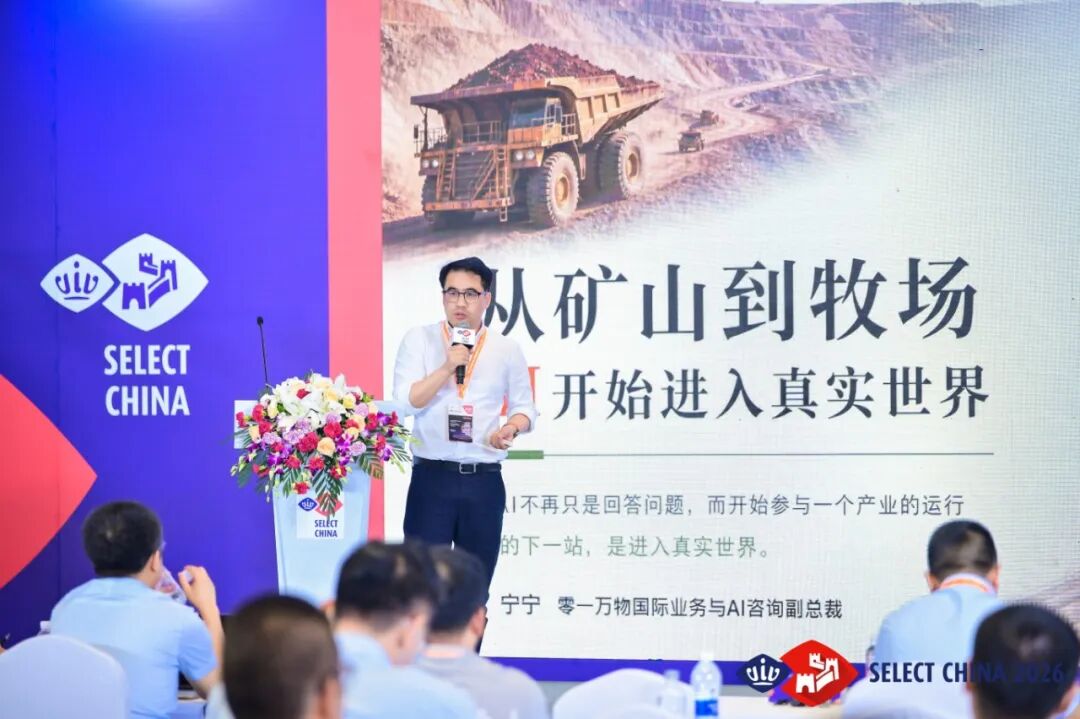
Dr Ning Ning
Ning said AI cannot merely know “what happened.” It also needs to understand “what matters more,” while recognising that priorities change over time according to risk and business objectives.
Only when objectives can continuously be translated into judgments, tasks, and coordination does AI begin to enter a company’s actual decision-making system.
He placed particular emphasis on one counterintuitive capability: knowing when not to act.
If evidence is insufficient, risk is high, or responsibility is significant, a good AI system should provide a recommendation and ask a human for confirmation, Ning said. It should not execute immediately simply to demonstrate autonomy.
Only as evidence becomes stronger, risks become manageable, and lines of responsibility become clear should a system gradually progress from observation to recommendations, task generation, human-machine collaboration, and eventually conditional autonomous execution.
“The degree of autonomy in agricultural AI should not be determined by how impressive the technology looks,” Ning said. “It should be determined jointly by evidence, risk, and responsibility.”
His longer-term picture of agricultural AI is therefore not a farm without people.
Instead, Ning described it as an agricultural enterprise that becomes increasingly capable of understanding itself, optimising itself, and carrying out its own decisions.

He also warned that the real barrier to AI adoption will not be one superior model. It will be the system that continuously accumulates knowledge through repeated real-world closed loops and, in doing so, understands the industry better and better. Such a system is harder to copy – and more valuable to build early.
Wang also sees a limited window ahead for livestock companies. For the next 3–4 years, he said, the key question will be “who can turn on-site data into model capabilities first.”
Once that window closes, the difference between companies will no longer be reflected in a one-off technology purchase. It will be visible in the compounding value of their data assets – and in the speed of their decisions.
AgriPost.CN – Your Second Brain in China’s Agri-food Industry, Empowering Global Collaborations in the Animal Protein Sector.