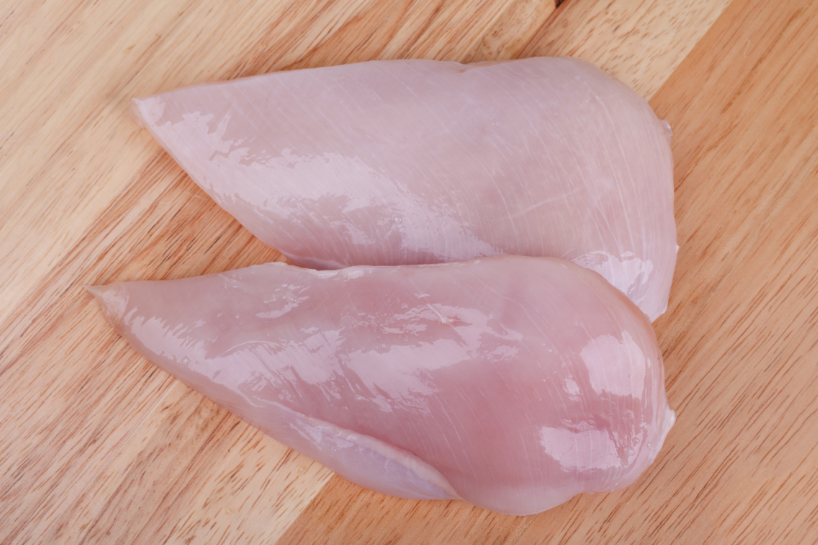
Shandong produced 3.97 million tonnes of chicken meat in 2025, surpassing its pork output of 3.78 million tonnes and highlighting the province’s dominant position in China’s broiler sector. A new official report warns that despite strong production efficiency, profits across the broiler supply chain are likely to stay thin or turn negative in phases in 2026. It urges companies to avoid blind expansion and focus more on refined management, the supply of high-quality chicks, meat quality, and export market development.
A report recently released by the Shandong Provincial Animal Husbandry and Veterinary Bureau showed that the province marketed 2.99 billion broilers in 2025, with chicken meat output reaching 3.97 million tonnes. That was above its pork output of 3.78 million tonnes.
The report, written by the Shandong Provincial Animal Husbandry Monitoring and Early Warning Expert Group, expects only limited market swings in 2026. Even so, it warned that profits across the full supply chain could shrink further, making periodic losses at different stages of the chain a likely outcome.
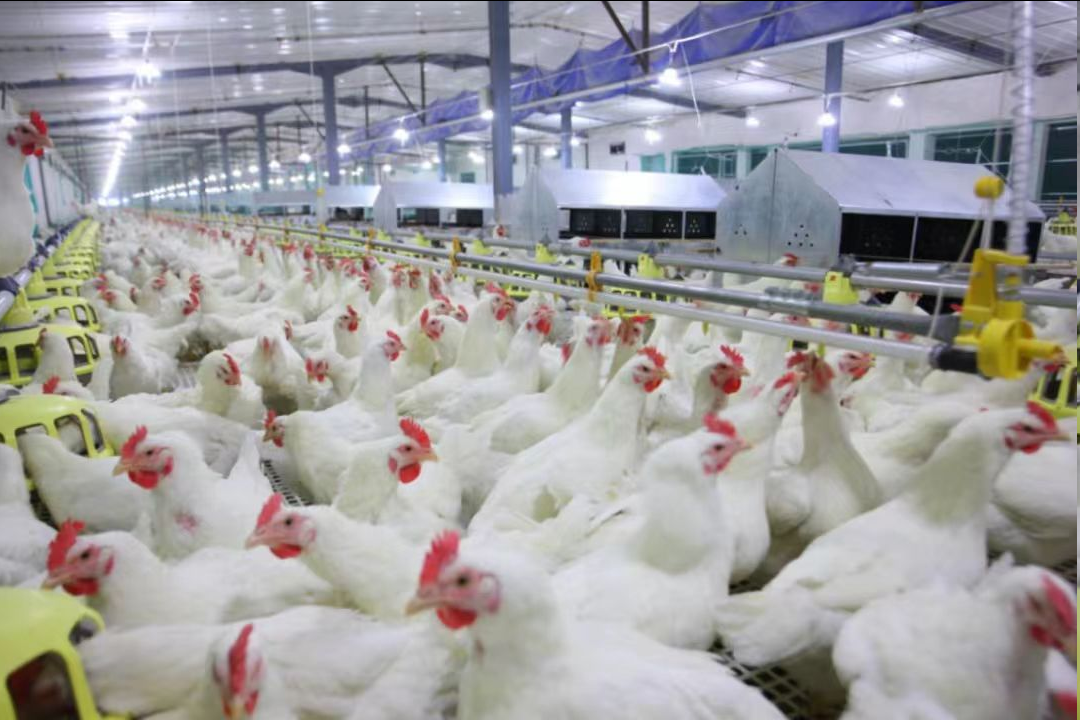
In 2025, Shandong held 26.27 million sets of Parent Stock (PS), of which 16.06 million sets were in production, accounting for more than 30% of the national total. Broiler slaughter reached 3.94 billion birds, up 9.85% year on year, equal to 42.46% of the country’s total. The report also said the sector’s scale-farming rate had reached 99.69%.
Production efficiency improved further. Feed conversion ratio (FCR) was around 1.3:1, and broilers were generally marketed in 40–43 days.
Margins remain thin
Taken as a whole, white-broiler chicks averaged CNY 2.80 per bird (USD 0.39 per bird) in 2025. The breeding segment was slightly loss-making overall, although some companies still managed marginal profits. On the farming side, August delivered the best returns of the year, while February was the worst month for losses.
For the full year, the average live broiler trading price stood at CNY 6.92 per kg (USD 0.96 per kg), converted from CNY 3.46 per jin. Based on an average bird weight of 2.75 kg and a feed conversion ratio (FCR) of 1.40, profit was about CNY 0.40 per bird (USD 0.06 per bird).
The report said the industry is still running into several bottlenecks. Feed resource constraints remain prominent, but it also pointed to weak resilience across the sector and insufficient attention to quality improvement. Capacity has not been well self-regulated, it said, leading to clear periodic and structural oversupply and repeated cases of producers increasing output without increasing income.
At the same time, the report argued that the industry has focused too heavily on production efficiency, while giving too little attention to improving meat flavour and slaughter and processing quality. That, it said, has affected consumer experience and limited market expansion.
More chicks coming, but quality seen as the real task
The report also noted that national sales of Parent Stock chicks reached 80.42 million sets in 2025, up 6.98% year on year, which will directly feed into higher commercial chick volumes in 2026. Taking into account fewer cases of breeder flock moulting in 2025, as well as the impact of duck plague and flavivirus on breeder flocks, and based on the Grandparent Stock (GP) to Parent Stock breeding cycle, it estimated that commercial chick volumes in 2026 will rise by around 6% from 2025.
With rapid capacity expansion across the broiler chain continuing to run alongside weak consumption, the report said companies should avoid blind expansion and put more effort into refined management and product quality improvement. Breeder farms should step up disease purification and medication control to improve the supply of high-quality chicks and support commercial production. At the grow-out stage, more attention should be paid to improving chicken meat quality.
The slaughter segment, the report added, should play a stronger forcing role by passing pressure upstream and helping build an industry environment in which the whole chain places greater emphasis on quality.
“With the current supply and demand situation, each link in the chain is expected to remain only marginally profitable or slip into periodic losses in the near term. Exports could be the key move to break the deadlock, and companies should actively design export-oriented product positioning, dig deeper into overseas market potential, and keep the chain operating in a healthy way,” the report said.
AgriPost.CN – Your Second Brain in China’s Agri-food Industry, Empowering Global Collaborations in the Animal Protein Sector.