Ma Youxiang says scaled farming is key to modernising China’s livestock industry, but it should help small farmers upgrade rather than push them out. He also calls for better support for farm facilities, disease control, import management, and hog production regulation to improve stability and efficiency.
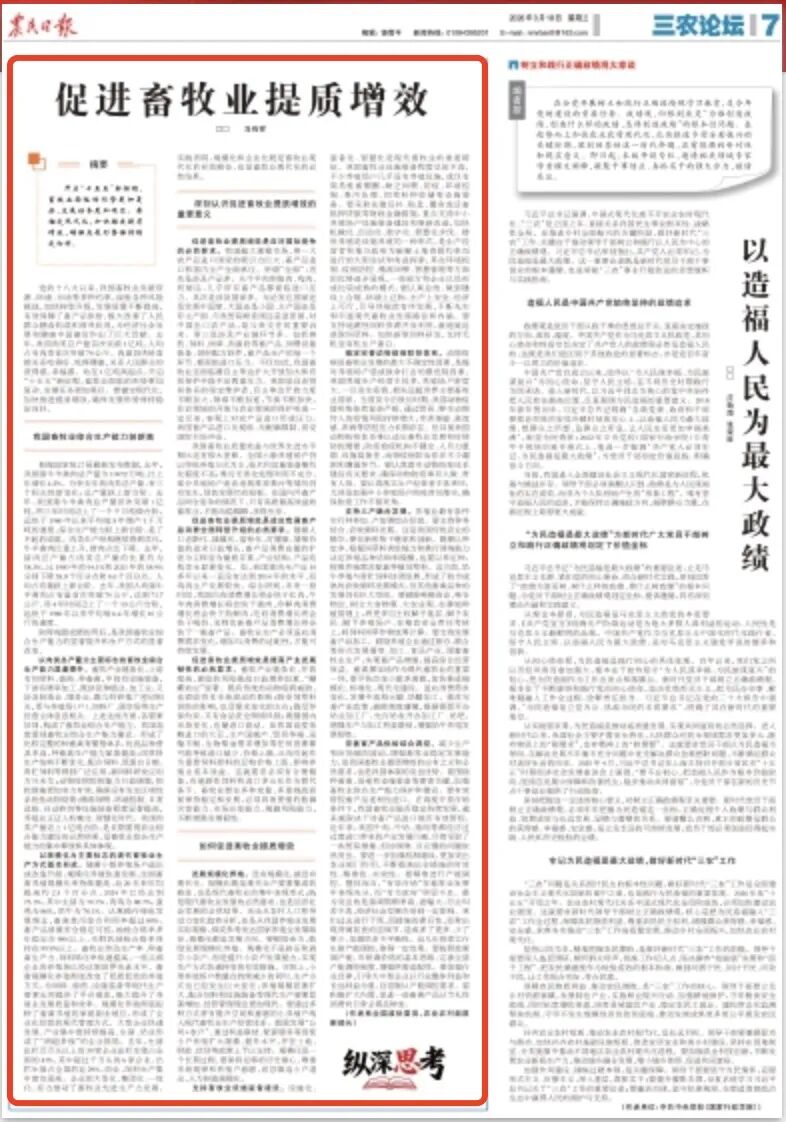
Ma Youxiang, a member of the National Committee of the Chinese People’s Political Consultative Conference and former vice minister of agriculture and rural affairs, on March 18 published a signed article in Farmers’ Daily setting out how China’s livestock sector can improve quality and efficiency during the 15th Five-Year Plan period.
A central message in the article is that scaled production has fundamentally changed the role of livestock farming from a sideline household activity into a modern, enterprise-led business. The growth of large, group-based and integrated companies, Ma wrote, has strongly advanced productive forces in the sector. “Practice has shown that scale and corporatisation are both an effective path to livestock modernisation and an inevitable outcome of it.”
China’s meat output passed 100 million tonnes for the first time last year, with per-capita meat availability also exceeding 70 kg for the first time. Ma described that as “a remarkable achievement,” noting that the country climbed this latest 10-million-tonne step in only 3 years, much faster than the average pace since 1980 of adding 10 million tonnes every 5 years.
Behind that progress, he said, is the basic formation of a modern livestock production system, with scale as its main hallmark. As small and scattered farms either exited or upgraded, scaled farming expanded rapidly. Over the past 20 years, China’s livestock scale-farming rate has risen by about 2.5 percentage points per year on average, reaching 75.1% in 2024. By species, the rate stood at 70.7% for hogs, 88.7% for broilers, 86% for layers, and 78.1% for dairy cattle.
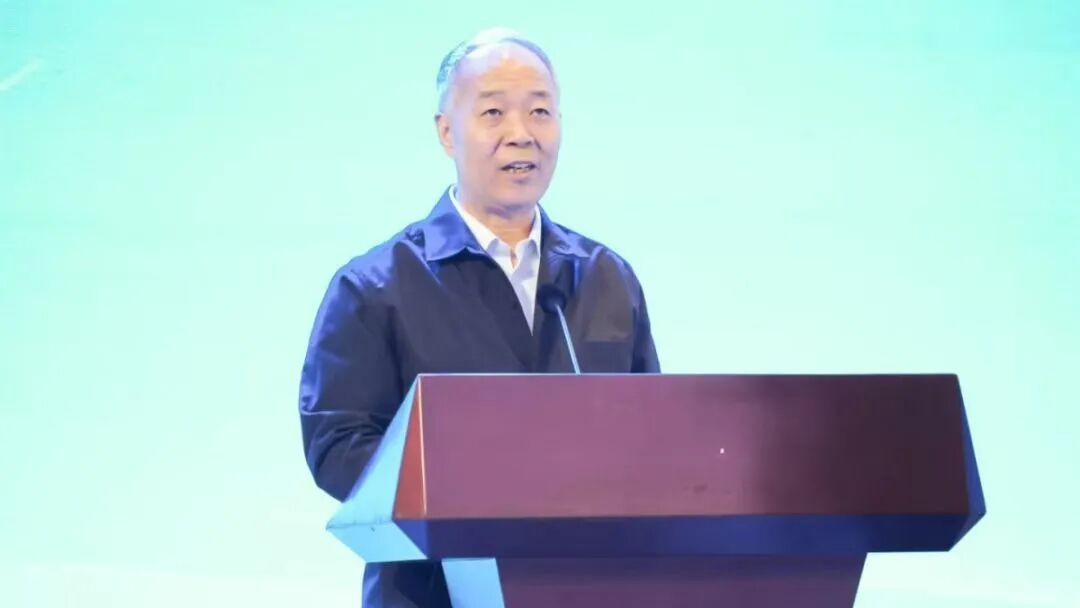
Ma Youxiang
Ma added that scaled livestock production has completely changed low-quality, low-efficiency farming methods. It has also created a platform for the use of modern production factors such as feed, veterinary drugs, and facilities and equipment, sharply improving both quality and efficiency.
Standing at the new starting point of 100 million tonnes, however, the sector now faces a more complex environment and tougher development tasks, Ma wrote. The priority, he said, is to stay focused on modernisation, accelerate quality and efficiency gains, and keep development stable and moving in a positive direction.
Scale remains the main direction
In Ma’s view, the first step is still to develop scaled farming. “Without scale, there is no modernisation,” he wrote. Whether viewed from the perspective of changes in the rural population and labour force, from the reality of China’s livestock development, or from the path taken by developed countries, scale is the direction of travel. Policy, he said, should follow that trend and encourage its development.
At the same time, Ma stressed that scale should not mean squeezing out or dispossessing small farmers. Instead, it should raise their development capacity and help speed up the shift in production methods. In practice, even as the number of small farms continues to fall, their production model has already changed significantly, with larger herd sizes, greater use of compound feed and facilities and equipment, and more modern management concepts.
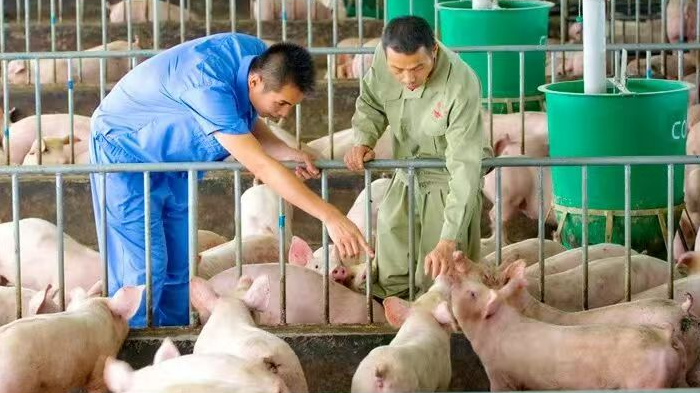
He called for small farmers with room and willingness to improve to be brought into the modern livestock production and business system through multiple channels. That includes support for the “company + farmer” model, using benefit-sharing mechanisms and supporting services to help smaller producers expand scale and raise standards, backed by policies on land, fiscal support, and credit.
“Scaling up is a long-term process,” Ma wrote. It requires enough historical patience, respect for market rules and farmers’ wishes, and no forced exit of smallholders or artificially manufactured scale.
Facilities, disease control, and integrated development
The article also set out several other routes to improving quality and efficiency, including support for livestock facilities and equipment, a stable and improved animal disease prevention and control system, better integration across the primary, secondary and tertiary industries, and stronger overall regulation of livestock product supply.
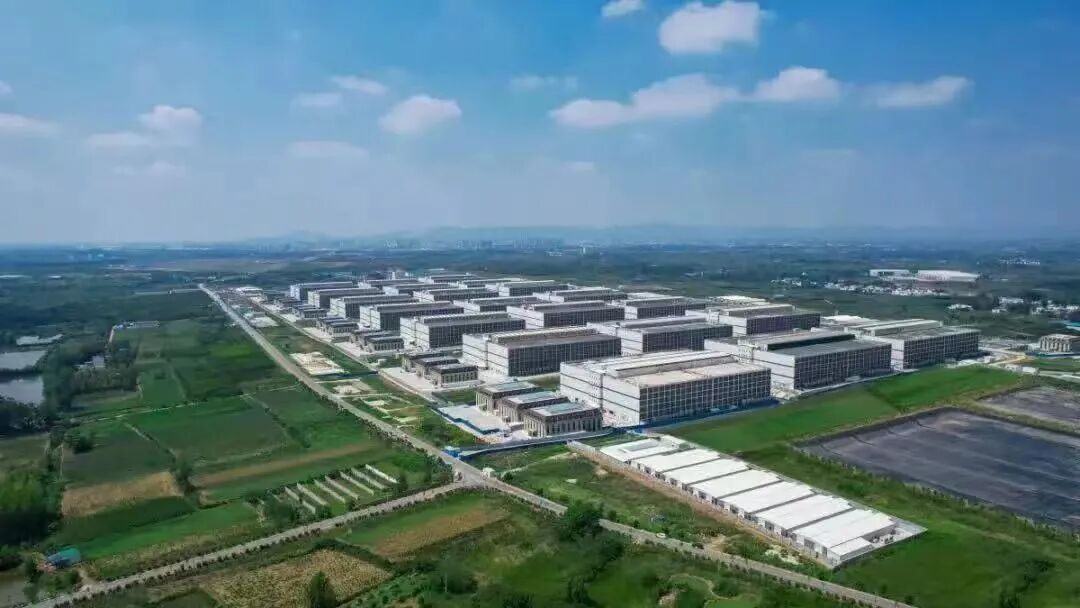
On facilities and equipment, Ma proposed fiscal and financial tools such as reimbursement after construction, interest subsidies, and loans secured by barns or live animals. The priority, he said, should be to support facility construction, renovation and upgrading for small and medium-sized farms, while speeding up mechanisation, automation, digitalisation, and smart farming.
He also addressed multi-storey livestock farming, describing it as one form of facility-based production and as a bold and useful attempt by producers and local governments to overcome land constraints. Its advantages in environmental control, disease prevention, precision feeding, and smart management are gradually becoming clear, he wrote, and some regions and companies have already developed relatively mature models. The next step is to summarise those experiences carefully and ensure compliance in construction, environmental performance, production safety, and economic feasibility, so that development can proceed in a standardised and orderly way and further enrich the path of modern livestock development.
Stronger control over supply and imports
On supply regulation, Ma argued that China needs to manage profit-driven imports of livestock products more effectively. Under highly open market conditions, he wrote, the stable and sustainable development of China’s livestock sector increasingly depends on whether imports can be controlled effectively.
In recent years, excessive imports of beef, milk, pork, and other products have caused severe pain for the sector, he said. Although some trade measures have been introduced, coordination remains difficult and responses are still too slow. That, in his view, calls for stronger institutional mechanisms, a more prominent role for the agricultural authorities, and more timely, precise and effective measures.

More broadly, Ma argued that the “effective market” is already fully visible in livestock development, while the “proactive government” remains insufficient. The clearest example, he wrote, is the hog cycle, which is too frequent and too volatile, leaving the sector under pressure and also affecting wider economic and social development. In the future, he said, policy should focus on adjusting capacity while the market adjusts prices, with a better hog capacity control system to improve the match between supply and demand.
Ma also called for stronger industry self-discipline, urging large and medium-sized companies to put the sector’s overall and long-term interests first and to comply voluntarily with capacity control requirements. At the same time, he said, China should work to expand domestic demand and help shift some livestock and poultry products from gift-oriented consumption to everyday necessities.
AgriPost.CN – Your Second Brain in China’s Agri-food Industry, Empowering Global Collaborations in the Animal Protein Sector.