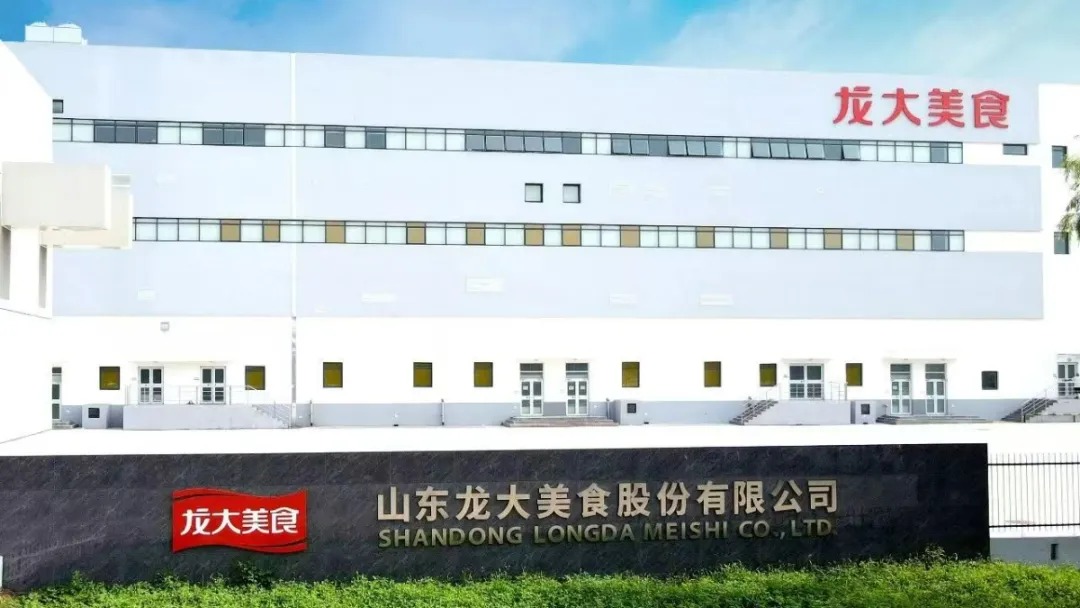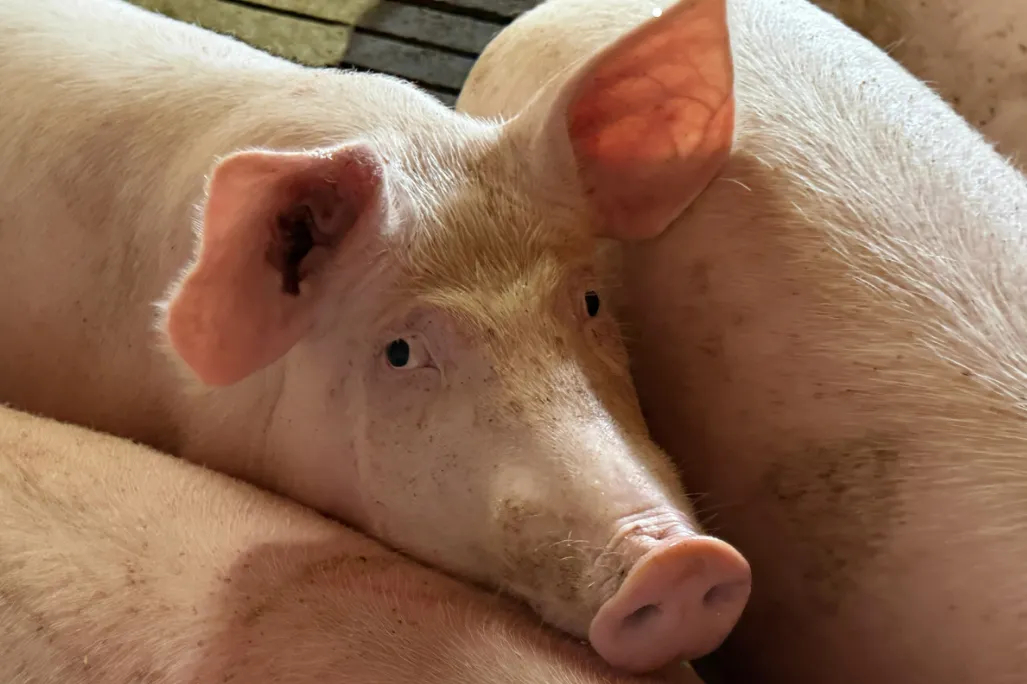
Shuanghui Development, its Wangkui subsidiary and four executives face combined fines and confiscations of about CNY 129 million (approximately USD 19.32 million) over an antibiotic residue case. The report follows the 14-month sequence from sampling to sanctions and examines a communications error that described pig numbers as batches. It also discusses a public relations professional’s assessment of accountability, testing disclosure and traceability. Penalty totals, profit impact and recommendations are distinct.
Shuanghui Development’s latest announcement has brought the case involving excessive antibiotic residues in pork from its Wangkui subsidiary to a conclusion. The company, Wangkui Shuanghui and four senior executives face combined fines and confiscations of about CNY 129 million (approximately USD 19.32 million). Chairman Wan Hongwei was personally fined CNY 37.65 million (approximately USD 5.64 million), described in the report as a record amount for an individual penalty in a Chinese food safety case.
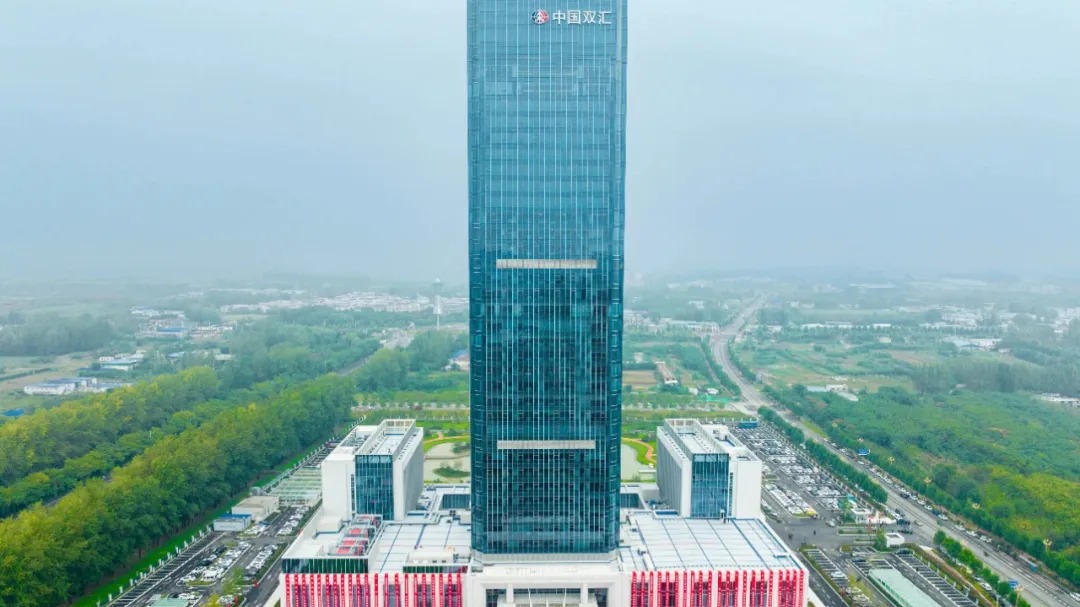
For the industry, the most instructive aspect may be the 14-month sequence of crisis management rather than the penalties themselves. From sampling and disclosure to apologies, central government supervision and final sanctions, each step carried consequences for public confidence. A public relations professional told AgriPost.CN that Shuanghui’s handling had met a basic standard of action but failed to protect trust, with losses outweighing gains. In that assessment, the case exposed systemic shortcomings in crisis communications at a leading meat company with annual revenue approaching CNY 60 billion (approximately USD 8.99 billion).
Just three days after the penalties were announced, on 12 October, Xinhua published an official explanation of the Central Political and Legal Affairs Commission’s Opinions on Strictly Investigating and Punishing Illegal and Criminal Acts Endangering Food Safety in Accordance with the Law. The article sees the case as a sector-specific illustration of a national policy shift: the consequences of food safety violations are moving beyond financial penalties towards criminal liability.
What happened and how the response unfolded
In August 2025, the Changchun Customs Technical Centre tested pork hind-leg meat produced by Wangkui Shuanghui at a supermarket in Daqing during sampling organised by Heilongjiang’s market regulator. Lincomycin residues were 7,700 μg/kg, exceeding the national maximum of 200 μg/kg by 37.50 times. Traceability checks linked the case to 910 pigs and products worth CNY 1.70 million (approximately USD 254,791), which had already reached supermarkets.
Heilongjiang’s market regulator disclosed the finding in a sampling notice in May 2026. Media reports followed on 26 May, and Shuanghui published an apology on its website and official WeChat account on 28 May. On 5 June, the State Council’s food safety office joined the Ministry of Public Security, the Ministry of Agriculture and Rural Affairs and the State Administration for Market Regulation in forming a working group to supervise the investigation. The case had become a matter of national oversight. Four months of relative silence followed before the penalties were announced on 9 October, when Shuanghui issued a further statement accepting the administrative punishment and announced six corrective measures.
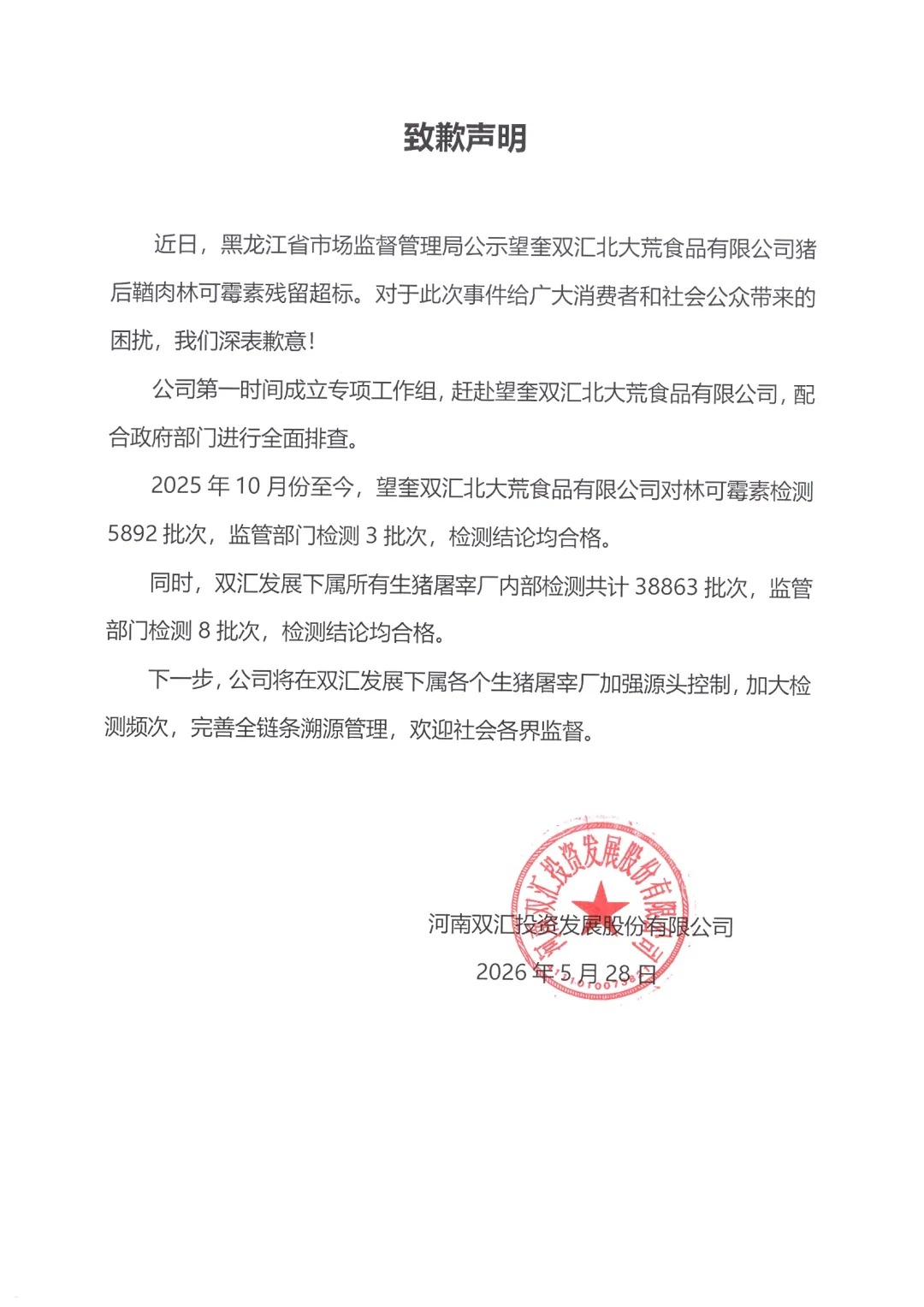
The 9 October announcement presented a relatively mature response: an apology and acceptance of the penalties, six areas of corrective action covering sourcing controls, testing upgrades, process management, specialist staff, system improvements and training for all employees, and a commitment to specify responsible individuals, timetables and acceptance criteria. It also addressed capital market concerns in one place. The expected reduction in net profit was CNY 63.81 million (approximately USD 9.56 million); the penalties would not trigger delisting; and production and operations remained normal. This avoided further volatility driven by fragmented information.
The clearest communications failure, however, had come in the May apology. Shuanghui intended its testing figures to demonstrate compliance: since October 2025, it said, Wangkui Shuanghui had tested 5,892 batches for lincomycin and regulators had tested three batches, all compliant; across the group, 38,863 batches had been tested internally and eight by regulators, also all compliant. But the figures of 5,892 and 38,863 referred to pigs, not batches. Luohe’s market regulator found that this apparently inadvertent unit error constituted misleading commercial publicity under Article 9 of the Anti-Unfair Competition Law. It became one basis for a CNY 2 million (approximately USD 299,577) fine on the company and penalties on four executives. The intended reassurance also revealed that lincomycin testing depended mainly on sampling, with very small sample sizes. Public opinion consequently concluded that Shuanghui had not delivered on its long-promoted promise to test every pig.

Another loss of credibility came from language that appeared to repeat the response to its 2011 crisis by shifting responsibility upstream. Early in the case, Shuanghui told the media that lincomycin residues resulted from veterinary drug use during pig farming and that supplier management would be strengthened. The article argues that this position does not stand legally because Shuanghui bears direct responsibility as the seller. Public criticism was equally sharp, describing it as the same script 15 years later. Blaming the upstream supply chain also tells consumers that the company cannot control that supply chain, a serious mistake in food industry communications.
A provincial sampling notice might have been dealt with promptly at company level. Shuanghui’s response failed to reassure regulators, and the State Council’s food safety office, the Ministry of Public Security, the Ministry of Agriculture and Rural Affairs and the State Administration for Market Regulation ultimately formed a group to supervise the case on site. In the article’s assessment, the escalation from a company crisis to national oversight itself reflected a failure of crisis management. Earlier sources of public distrust, including complaints on consumer platforms, compensation over foreign objects and large dividend payouts, then resurfaced together.
What the case signals and how trust could be rebuilt
The public relations professional identified three signals for the industry. First, personal accountability is being enforced. Under the 2019 Regulations for the Implementation of the Food Safety Law, legal representatives and principal responsible individuals can be fined between one and ten times their annual income; Wan’s CNY 37.65 million (approximately USD 5.64 million) penalty is a prominent example. Second, corporate statements are subject to scrutiny under the Anti-Unfair Competition Law: confusing pigs with batches carries no exemption for a typographical error. Third, national working groups supervising such cases are expected to become a regular mechanism. In the professional’s words, the regulatory toolkit has been upgraded.
The Ministry of Agriculture and Rural Affairs’ Announcement No. 194 banned growth-promoting medicinal feed additives from July 2020, bringing the industry into an era without antibiotic growth promoters. That does not mean all antibiotic use has ended. Compliance with withdrawal periods for therapeutic treatment, veterinary drug traceability and residue testing are becoming key governance issues for both pig farms and slaughter businesses. Any meat company that treats its testing system solely as a cost rather than an asset could face the next penalty.
For Shuanghui and the wider industry’s future communications systems, the professional recommends action on at least three fronts.
At organisational level, someone must be genuinely accountable for food safety. The penalties specifically found that Shuanghui had failed to appoint a food safety director appropriate to its scale, as required. The recommendation is for the president or a responsible vice-president to chair a food safety committee, with the food safety director included in senior management and given authority to veto quality decisions. Performance assessment should be linked to quality control investment and testing coverage rather than profits.
At the level of evidence, commitments to improve must become a public mechanism that can be checked. A promise to increase sampling for risks such as lincomycin could become a standing disclosure process: monthly summaries of internal testing and third-party sampling, traceable to ear-tag batches, open to verification by both the media and regulators. Trust cannot be repaired by a single statement; it requires a continuing, reproducible flow of data.

In communications, transparency should be the basis for rebuilding trust. A written apology in a penalty announcement conveys little human engagement. Plant managers could invite the media, consumers and influential commentators to see pre-slaughter resting, testing and traceability systems for themselves, turning quality control into an opportunity for direct communication. The company could also participate in industry associations’ initiatives to reduce antibiotic use and help develop veterinary drug residue standards, making its compliance work a shared resource for the industry.
The CNY 129 million (approximately USD 19.32 million) in penalties can be paid, and the CNY 63.81 million (approximately USD 9.56 million) impact on net profit can be recognised in the accounts. Rebuilding consumer trust in the Shuanghui name, however, will take years. Each improvement in the quality system can reduce the cost of managing a public relations crisis. That is the most expensive lesson this Wangkui Shuanghui case offers the wider meat industry.
AgriPost.CN – Your Second Brain in China’s Agri-food Industry, Empowering Global Collaborations in the Animal Protein Sector.