ST Longda selected the five-member Wanfeng consortium and Laiyang Longcheng Investment Holding Group as industrial investors during its pre-restructuring process. The selection was made on 29 September. The report examines the consortium’s Aonong-linked capital, the proposed fit between northern and southern slaughter businesses, and local state support for supply-chain stability. Investor selection does not mean the restructuring has been completed.
Shandong Longda Meishi, known on the stock market as ST Longda, has selected a five-member Wanfeng consortium and Laiyang Longcheng Investment Holding Group as industrial investors for its restructuring. The selection was made at a meeting on 29 September, according to an announcement issued by the listed company that evening as part of its pre-restructuring process.
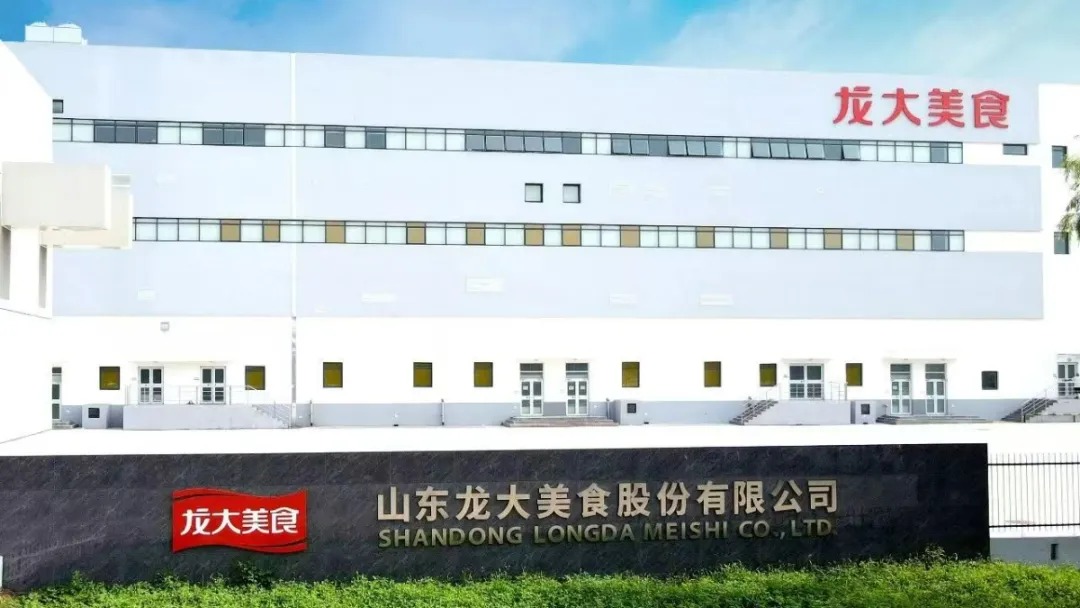
The proposed rescue brings together a consortium spanning slaughter operations in northern and southern China, feed, consumer businesses, finance and biotechnology, alongside a local state-owned platform seeking to maintain the stability of the regional supply chain. Designed to restore operating strength, address debt and safeguard local stability, the plan marks a critical point for a listed meat company that has spent more than two decades in Shandong’s fresh pork and prepared food sectors, with its survival at stake.
The selected consortium is also noteworthy for including capital linked to Fujian’s Aonong business, which has itself previously undergone restructuring.
The Wanfeng consortium
The announcement names five consortium members: Ganzhou Wanfeng Food Co., Ltd.; Zhangzhou Aonong Investment Co., Ltd.; Putian Licheng Baitu New Consumption M&A Equity Investment Partnership (Limited Partnership); Jifu Venture Capital Co., Ltd.; and Shenzhen China Merchants Ping An Asset Management Co., Ltd.
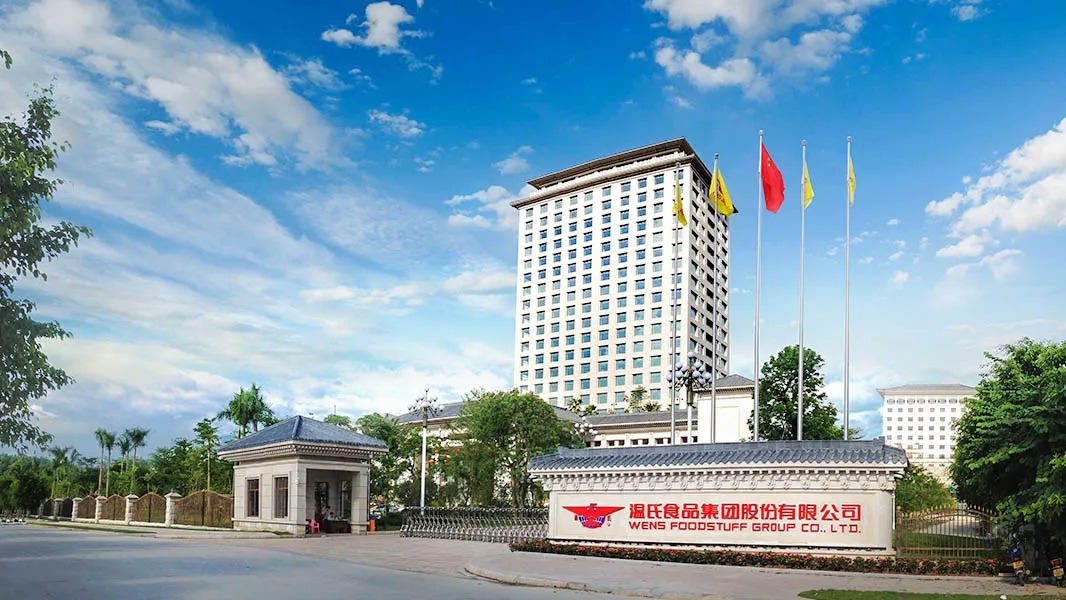
Wanfeng Food is understood to be a leading privately owned operator of designated livestock and poultry slaughter facilities in Jiangxi. Its subsidiaries in several locations have combined annual capacity to slaughter 2.60 million pigs and several hundred thousand cattle and sheep, supported by large cold stores of its own and a regional fresh meat distribution network. Annual revenue is about CNY 3 billion (approximately USD 449 million). Wanfeng has an established presence in the southern slaughter market, while Longda has key distribution channels in Shandong in the north and slaughter capacity on the scale of 10 million head. Their operations are expected to complement each other geographically.
Zhangzhou Aonong is an investment vehicle controlled by Wu Youlin, the former de facto controller of listed feed and pig producer Aonong. It still holds 7.86% of Aonong, making it the company’s second-largest shareholder on a standalone basis.
Baitu New Consumption is a provincial M&A fund initiated by Industrial Securities, with a total size of CNY 1 billion (approximately USD 149.80 million). It is also Fujian’s first M&A fund to combine industrial capital, state capital at both city and district levels, and investment banking. Its mandate is to acquire stakes in A-share listed consumer and agricultural and livestock businesses, supporting the relocation and consolidation of industrial activities.
Jifu is a long-established Chinese venture capital institution focused on areas including animal nutrition, biological preservation and additives for meat products. Its representative investments include listed companies RemeGen and Liaoning Chengda Biotechnology.
China Merchants Ping An is described as Shenzhen’s only licensed local asset management company (AMC). China Merchants Financial Holdings and Ping An Life hold 51% and 39%, respectively. It is a core platform for handling distressed assets within the centrally administered state-owned China Merchants group.
Laiyang’s state capital
The other selected industrial investor is Laiyang Longcheng Investment Holding Group Co., Ltd. Wholly owned by the Laiyang State-owned Assets Operation Support Centre, it provides local state backing for the restructuring.
Laiyang Hengji Engineering Co., Ltd., another company under the centre, had previously advanced CNY 363 million (approximately USD 54.37 million) on Longda’s behalf to address redemption risks relating to its convertible bonds. Participation in the restructuring continues the local government’s efforts to resolve risk through market-based measures.

Hengji’s earlier payment had already given the local government a greater say in Longda’s restructuring. Under the agreement, when assisting the court, the provisional administrator or administrator, and regulators with the selection of Longda’s final industrial investors, the parties are to give substantial weight to Hengji’s assessment and treat it as a principal reference. If Hengji or its designated entities subscribe for financial investment interests in the restructuring, they will not take part in the market-based pricing process used for other financial investors. Instead, the two parties will negotiate separately and jointly ask the provisional administrator or administrator to make an overall arrangement, with subscription terms more favourable than those available to other market-based financial investors.
Analysts point out that Longda is a leading agricultural business in Laiyang, supporting thousands of local jobs and farmers’ incomes across the pig supply chain. The primary objective of state capital’s involvement is to prevent local slaughter and prepared food capacity from shrinking, and to avoid the knock-on effects that a delisting could have on the regional agricultural supply chain.
AgriPost.CN – Your Second Brain in China’s Agri-food Industry, Empowering Global Collaborations in the Animal Protein Sector.