Interviews and farm visits at 24 pig production units in Vietnam, Malaysia and the Philippines examine uneven recovery from African swine fever. The study highlights biosecurity investment alongside transport management, disease reporting, carcass disposal and restocking approvals. Disease histories and biosecurity practices were largely self-reported and could not be independently verified. The sample cannot represent the three countries as a whole; its practical lessons require context.
The findings suggest that recovery from African swine fever (ASF) depends on more than investment in buildings and equipment. A study involving face-to-face interviews and farm visits at 24 pig production units in Vietnam, Malaysia and the Philippines points to the importance of functioning disease-reporting channels, transparent compensation criteria and a clear timetable for restocking. Enclosed pig housing and automated cleaning and disinfection systems can be bought; the institutional arrangements needed to make recovery possible cannot simply be purchased.
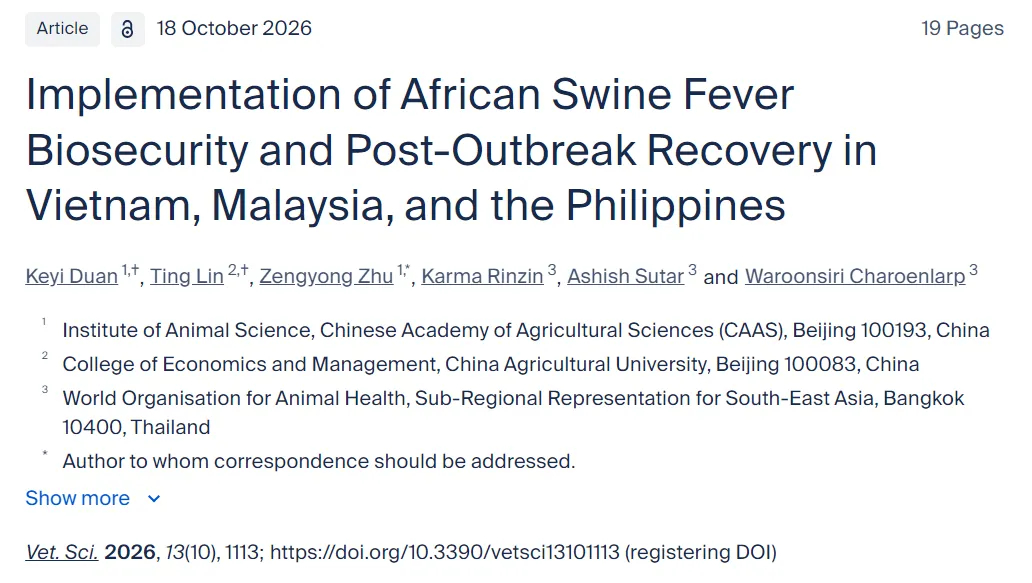
Seven years after ASF reached Southeast Asia in 2019, how far has pig production recovered? A study reported in Veterinary Sciences examines that question.
The numbers reveal an uneven recovery
Output has recovered but pig inventories have not
Figures from the Food and Agriculture Organization of the United Nations (FAO) put Southeast Asia’s pig inventory at about 65.9 million head in 2024 and pork production at 6.99 million tonnes. Vietnam and the Philippines accounted for 53.8% and 19.3% of the region’s pork output, respectively.
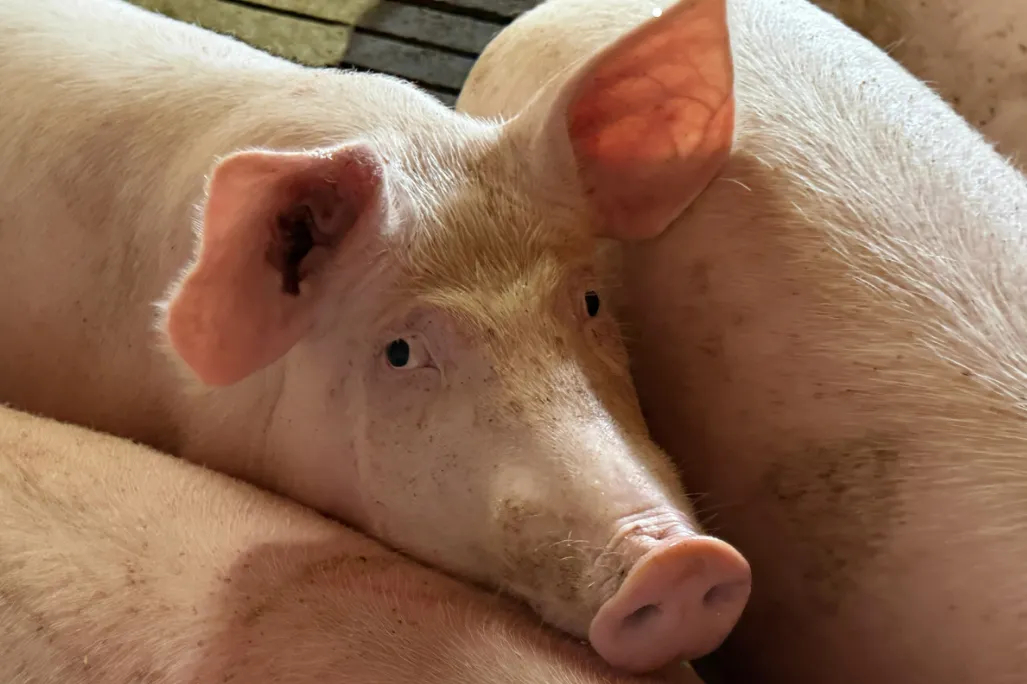
Recovery has taken different forms across the three countries. Vietnam produced 5.18 million tonnes of pigs on a liveweight basis in 2024, approximately 36% more than in 2018 and above its pre-ASF level. Over the same period, however, its pig inventory fell from 28.2 million to 26.5 million head.
Malaysia had about 1.16 million pigs in 2024, nearly 40% fewer than the approximately 1.87 million recorded in 2020. Pork production fell from 220,600 tonnes to 136,500 tonnes.
In the Philippines, the herd stood at 8.79 million head at the end of 2025, about 30% below the 12.8 million recorded at the start of 2020. Smallholders still accounted for 78.3% of the national inventory.
Vietnam offers the clearest signal of output recovering faster than pig numbers. Its recovery has relied on greater efficiency and structural improvements in production, rather than on restoring the herd to its previous size.
Two approaches to biosecurity
Large farms invest in infrastructure while small farms rely on routines
The survey covered operations ranging from a commercial farm with 1,500 sows to a backyard holding with just three pigs. In Vietnam, some integrated businesses had introduced showers and changes of clothing, heat-drying of materials, automated vehicle cleaning and disinfection, and a five-stage entry quarantine process. Others used three-zone segregation and Danish-style changing rooms. At some family farms, biosecurity still largely consisted of lime, disinfectant spraying and a one-day isolation period for people returning to the farm.
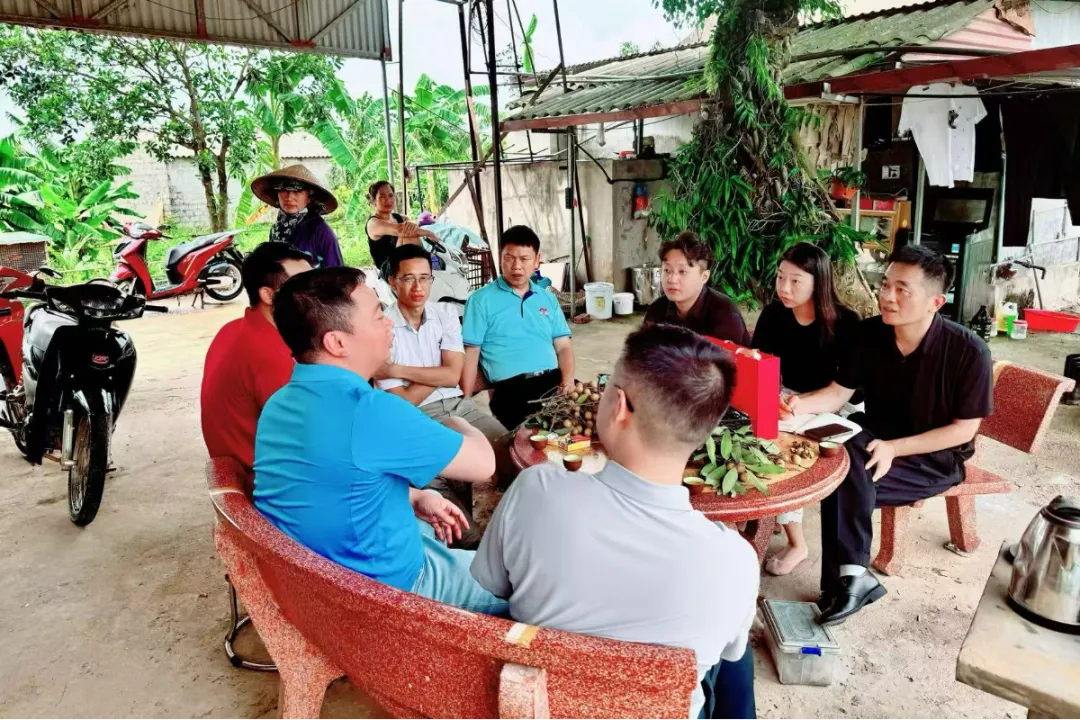
A CAAS team conducts field visits in Vietnam.
In Malaysia, some farms required workers to spend three days in isolation off-site, then shower and change before entry. Pigs were handed over to buyers outside the farm. One farm invested MYR 6–7 million (approximately USD 1.47–1.72 million) in a full upgrade after its herd was culled in 2023. The source gives an indicative exchange rate of approximately CNY 1.64 per MYR 1. Monthly spending on disinfection rose from MYR 15,000 (about USD 3,676) to MYR 30,000 (about USD 7,352).
In the Philippines, large commercial family farms could disinfect the entire farm twice daily, use their own transport vehicles and obtain vaccines through government channels. Some backyard keepers, by contrast, relied on a dedicated pair of slippers, a set of work clothes and a bucket of disinfectant supplied through a community intervention programme.
The study uses protection motivation theory to interpret this gap. Almost everyone recognised that ASF was serious. Recognising the threat, however, did not mean having the money to respond. For family farms and backyard keepers, structural biosecurity was an option only if they could afford it.
Across the 24 farms, four bottlenecks were widespread regardless of farm size.
The first was transport and vehicles. Traders entering farms to collect pigs, vehicles being used to carry both feed and pigs, and washing tyres without cleaning vehicle underbodies were among the most common biosecurity gaps reported in the interviews.
The second was willingness to report disease. Some Malaysian respondents associated notification directly with whole-herd culling, prolonged farm closure and investigations at neighbouring farms. Disease went unreported in some production areas. Respondents in Vietnam and the Philippines also described selling sick pigs cheaply or slaughtering them informally and distributing the meat as ways of dealing with the problem outside the farm.
The third was disposal of dead pigs. Burial on the farm with lime was the predominant practice, but authorised disposal routes that could be verified were lacking. At one Philippine farm, pigs suspected of being infected were slaughtered without authorisation and their meat distributed to neighbours.
The fourth was the procedure for restocking. Three farms in Malacca, Malaysia, had remained empty since being depopulated around 2022 and were still awaiting permission to restock. With their pig buildings standing idle, investment decisions remained unresolved.
Concerns over vaccines
Vaccine records and monitoring
The study also highlights changes in circulating virus strains. Recombinant genotype I/II ASF viruses were detected in domestic pigs in Vietnam in 2023. Some isolates had genetic characteristics consistent with viruses derived from the ASFV-G-ΔI177L vaccine, suggesting that vaccine-derived strains may be evolving in the field. Challenge trials showed that two genotype II vaccine strains provided incomplete protection against recombinant genotype I/II viruses.
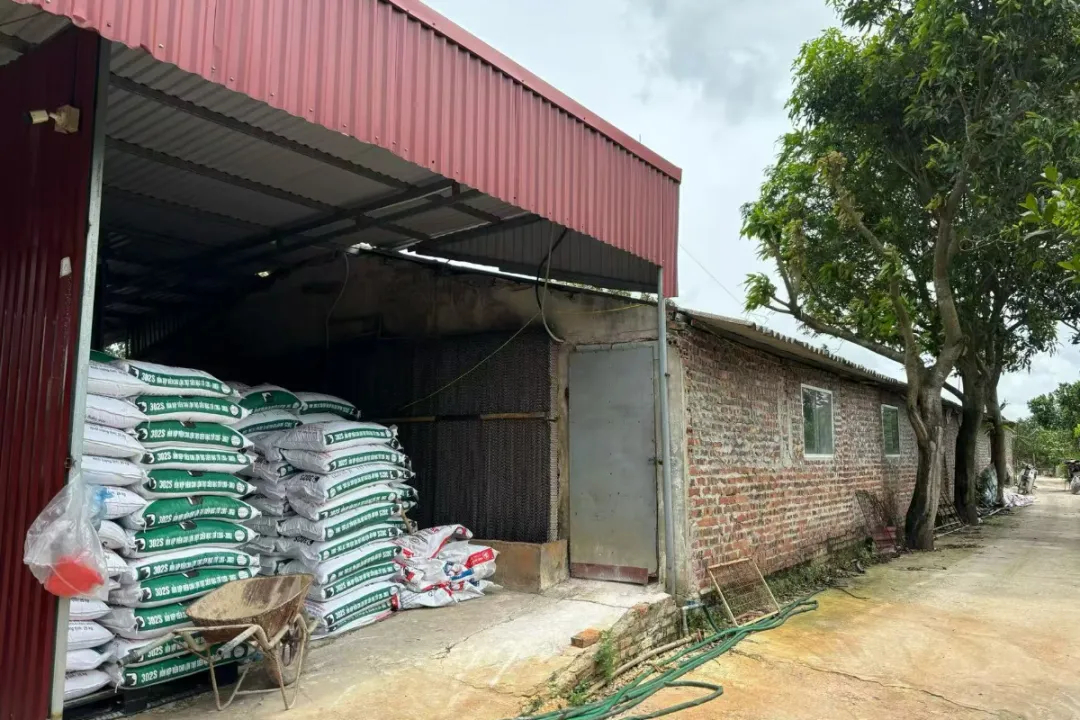
The authors therefore recommend keeping full records of vaccine products, batches, doses and vaccination dates, alongside post-vaccination monitoring and genomic surveillance. These recommendations are consistent with WOAH’s official advice.
Lessons for China’s pig industry
Farm measures need institutional support
The authors acknowledge the study’s limitations. Disease histories and biosecurity practices were largely self-reported and could not be independently verified. Nor can 24 farms represent the full picture in the three countries. The value of these field snapshots lies in bringing the practical obstacles to recovery out of policy documents and into the pig houses.
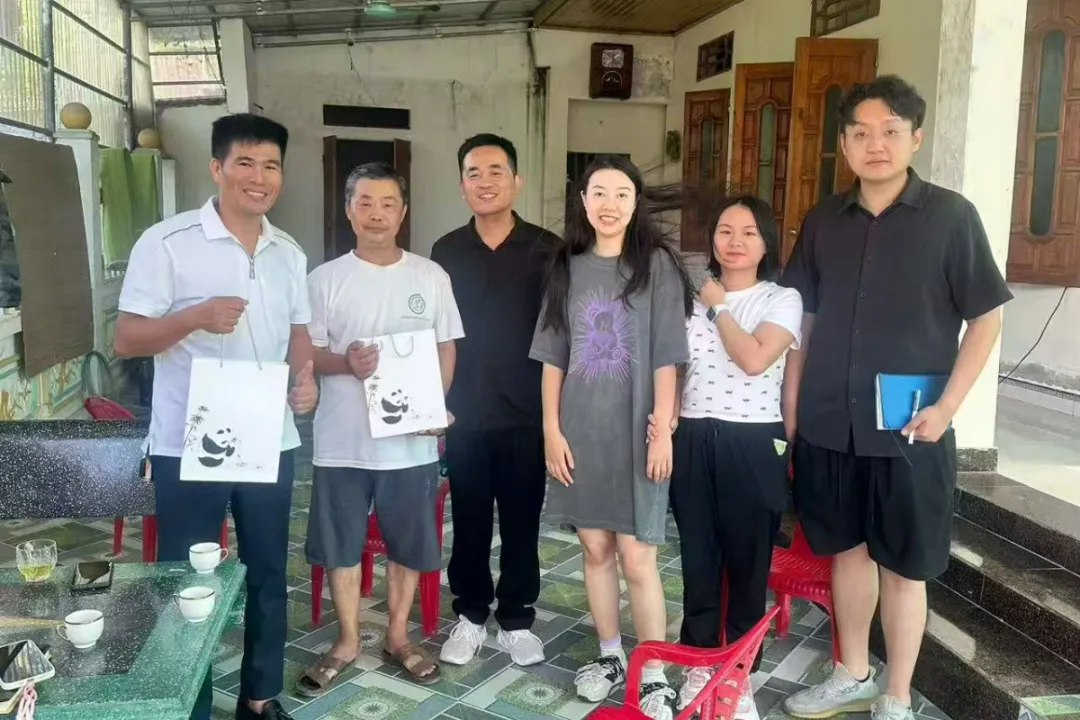
Although the farms studied were in Southeast Asia, the combination of farm-level measures and institutional support is highly relevant to China’s pig industry. Incentives for disease reporting, access to safe carcass disposal and certainty over restocking approvals can often do more to determine the pace of recovery than investment in pig buildings. When infrastructure that can be bought and institutional arrangements that cannot be bought are both at issue, it is the latter that truly separates a resilient industry from a vulnerable one.
AgriPost.CN – Your Second Brain in China’s Agri-food Industry, Empowering Global Collaborations in the Animal Protein Sector.