China’s breeding sow herd fell by 570,000 head in Q1 2026, reaching 39.04 million head by the end of March. Muyuan also reduced its sow inventory by about 103,000 head during the quarter, as the company responds to national capacity control policies and shifts its focus toward cost reduction, efficiency gains, and stable cash flow.
China’s breeding sow inventory fell to 39.04 million head by the end of the first quarter of 2026, according to the latest data released by the National Bureau of Statistics of China. That was 1.35 million head, or 3.3%, lower than a year earlier.
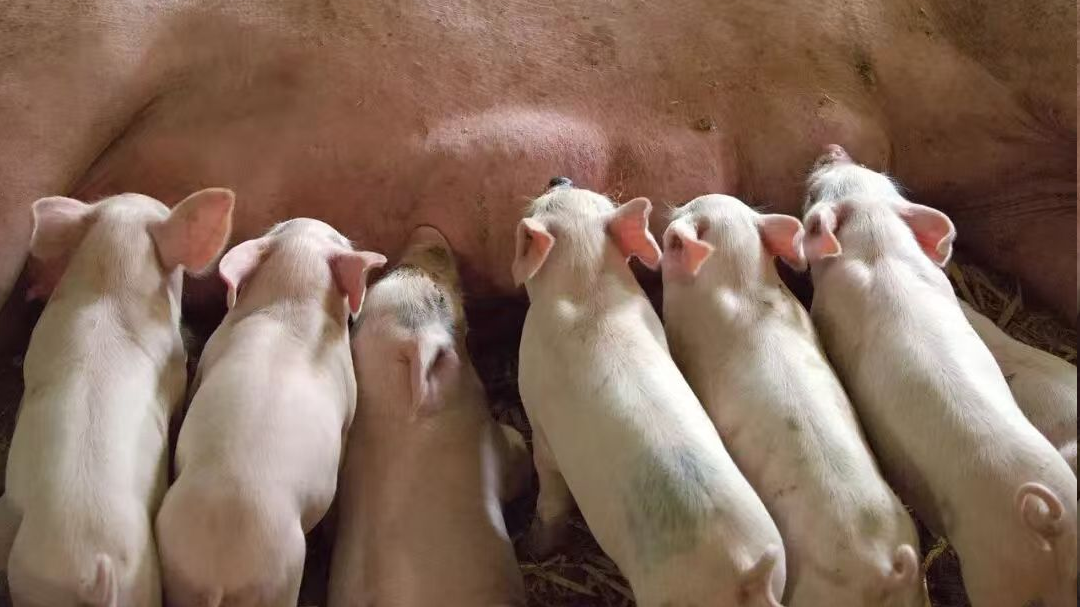
Compared with the 39.61 million breeding sows recorded at the end of 2025, the national herd contracted by 570,000 head in the first quarter alone. That compares with a reduction of 1.16 million head over the whole of last year, suggesting that China’s sow capacity reduction is gathering pace.
One of the country’s leading pig companies, Muyuan, is moving in the same direction. At its 2025 online annual results briefing on April 15, the company said its breeding sow inventory stood at 3.13 million head at the end of the first quarter of 2026. That was down from 3.23 million head at the end of 2025, meaning the company reduced its sow herd by about 103,000 head in the first quarter.
Compared with its recent peak of 3.621 million breeding sows at the end of the first quarter of 2025, Muyuan has reduced sow capacity by 492,000 head over the past year, a decrease of 13.6%.

“Since last year, the company has actively responded to the national policy on hog capacity regulation, implementing measures such as reducing breeding sows, lowering hog slaughter weights, and limiting secondary fattening. Muyuan has played a leading role in capacity regulation, taken social responsibility, and helped the hog industry develop in a stable and healthy way,” said Muyuan Chairman Qin Yinglin at the results briefing.
“At present, the government’s comprehensive regulation of hog production capacity and the market’s own adjustment are working together. In the long run, the supply and demand situation in the hog market is expected to gradually improve.”
Sales target broadly in line with 2025
Taking into account industry developments, market conditions, and its own operations, Muyuan expects to sell 75 million–81 million market hogs in 2026. The midpoint of that range is 78 million head, roughly equal to the company’s market hog output last year.
Qin said the company would take market, policy, operational, and other factors into account when drawing up future market-hog sales plans. As China’s pig farming industry moves from a capital-driven stage to one focused on quality improvement, he added, Muyuan is paying more attention to reducing production costs.
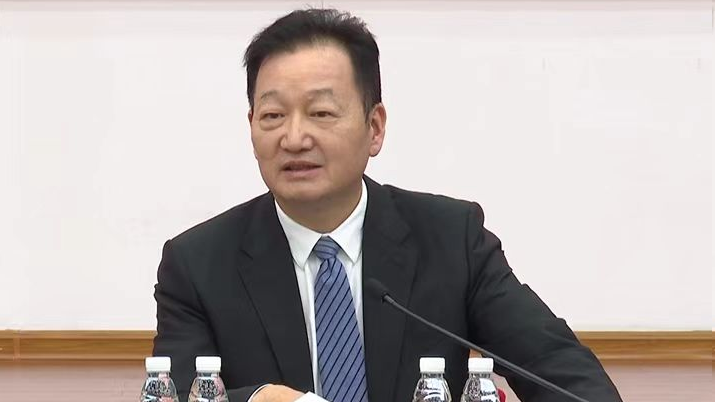
Muyuan Chairman Qin Yinglin
“At the company’s current scale, there is considerable room for profit growth from lower hog production costs,” Qin said. “The company will tap cost-saving potential by improving internal production and management efficiency, thereby raising overall profitability.”
He said Muyuan would also continue exploring the construction of an industry interconnection platform, creating an ecosystem of co-creation and sharing, and improving industry productivity. That would include a focus on key areas such as breeding and disease prevention, using the company’s scale and technical advantages to provide the market with a stable supply of high-quality piglets and systematic technical services for pig farming and disease control.
Cost leadership in focus
Muyuan Board Secretary and Chief Strategy Officer Qin Jun said the company would focus on cost reduction and efficiency gains, while remaining firmly centred on its own production and operations. Future profitability, he said, would be built on the excess industry returns that come from cost leadership, with cost advantages helping to ensure long-term stability and improvement in the company’s operating performance.
“Compared with excellent domestic and international benchmarks, Muyuan still has room to further improve its production performance,” Qin Jun said. “The company is confident that it can continue to reduce the full cost of hog production.”

Muyuan Vice Chairman and Executive Vice President Cao Zhinian, who is also responsible for finance, said the company had made full preparations on both the production and financial sides in response to current market conditions.
“First, the company is confident about reducing costs this year, strengthening its ability to navigate/withstand the cycle by continuously lowering costs. In the company’s cost structure, non-cash costs such as depreciation and amortisation account for about 10%,” Cao said.
“Second, the company has continued to optimise its financial structure over the past 2 years, reduced its credit line reserves, maintained stable cooperation with banks, and has sufficient credit reserves.”
Cao said Muyuan would next adopt a more prudent operating strategy, with safe and stable cash flow as its priority. The company will plan capital inflows and outflows across operating, investment, and financing activities, while taking into account market factors such as hog prices and raw grain prices, in order to ensure steady operations.
AgriPost.CN – Your Second Brain in China’s Agri-food Industry, Empowering Global Collaborations in the Animal Protein Sector.