Jinghai marked its 40th anniversary on November 8, 2026, reviewing its broiler breeding business and the changes since Wens acquired an 80% stake in 2019. The report examines its role in Wens’ poultry operations, customer relationships and plans for development. Four farms in Yizheng are under construction, with completion expected in early 2027.
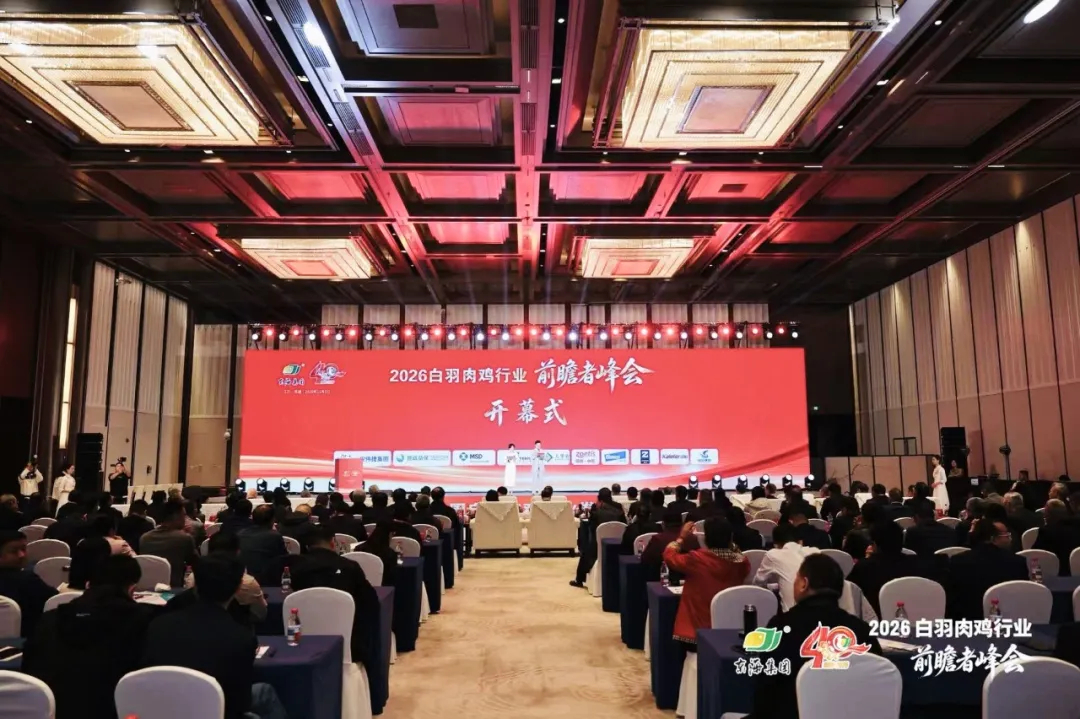
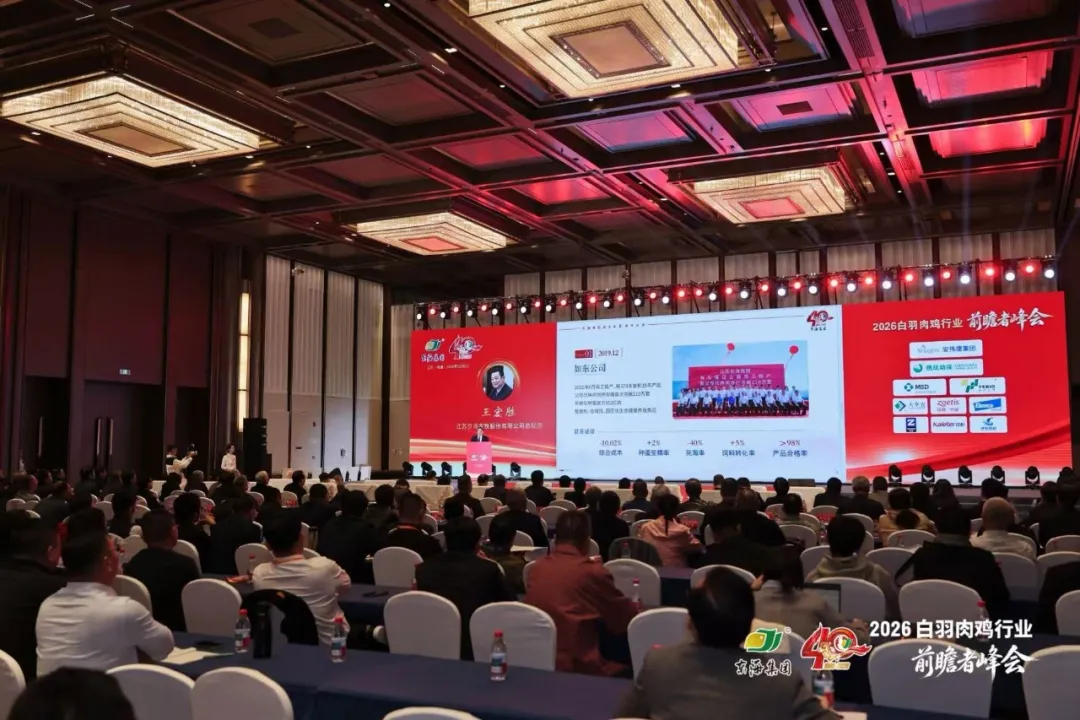
On 8 November 2026, the Nantong International Convention Centre hosted Jinghai Group’s 40th anniversary celebration and a summit for forward-looking leaders in China’s white-feathered broiler industry.
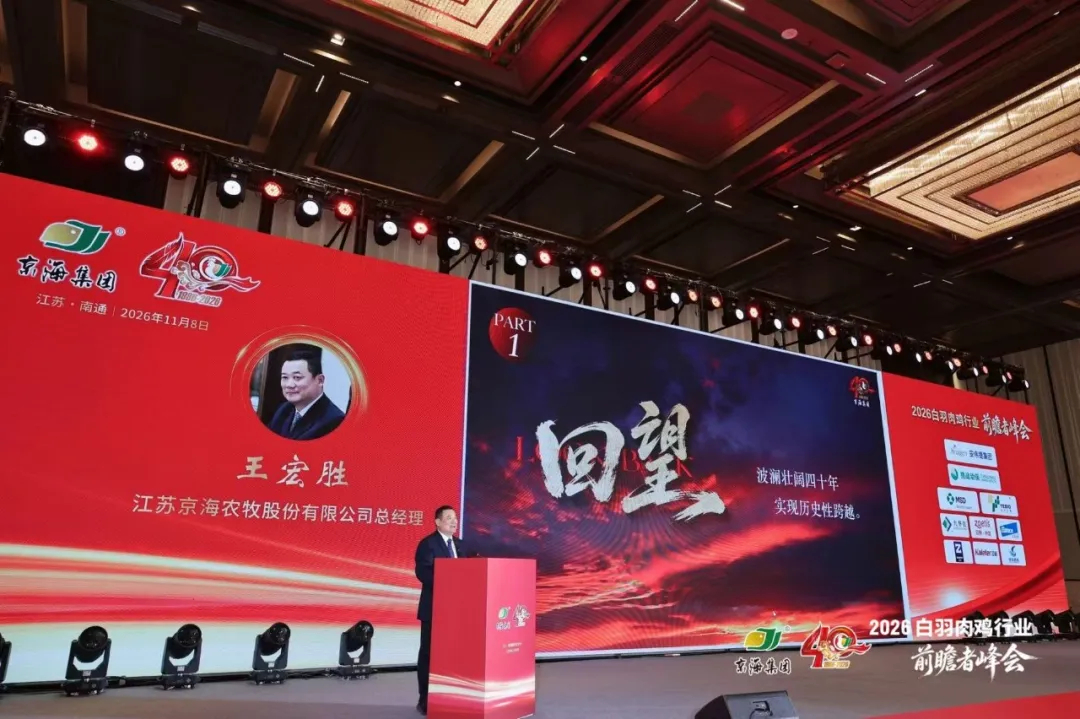
Opening his keynote address, “Why Jinghai?”, general manager Wang Hongsheng first shared some news: a shipment of grandparent breeding stock arranged for the celebration by Aviagen, a global leader in white-feathered broiler breeding, had arrived safely at the farm at 10.30 that morning.
After 40 years of upheaval, the company’s main concern on its anniversary was still a flock of grandparent birds arriving from overseas. That detail perhaps says more about Jinghai than any advertisement could.
From a small breeding farm on the tidal flats at Qinglong Port beside the Yangtze River in 1986, Jinghai has grown to nearly 30 farms across four counties and cities. As Wang put it, today’s business is the result of successive generations’ efforts. The China Animal Agriculture Association, research institutes and customers from across the supply chain gathered that day for more than congratulations. They also addressed a tougher question: in an industry with record capacity, prices at a ten-year low and accelerating consolidation, what gives a breeding stock supplier confidence in the next 40 years?
01 Four phases over 40 years
Wang divided Jinghai’s first 40 years into four phases.
1986–1995 was the introductory phase. As the economy recovered following China’s reform and opening-up, the ideas of integrating trade, industry and farming, and combining improved breeds with improved husbandry, exemplified by Shanghai Dajiang, reached the north bank of the Yangtze. Jinghai established its first breeding farm in 1986 and imported its first grandparent flock in 1993.
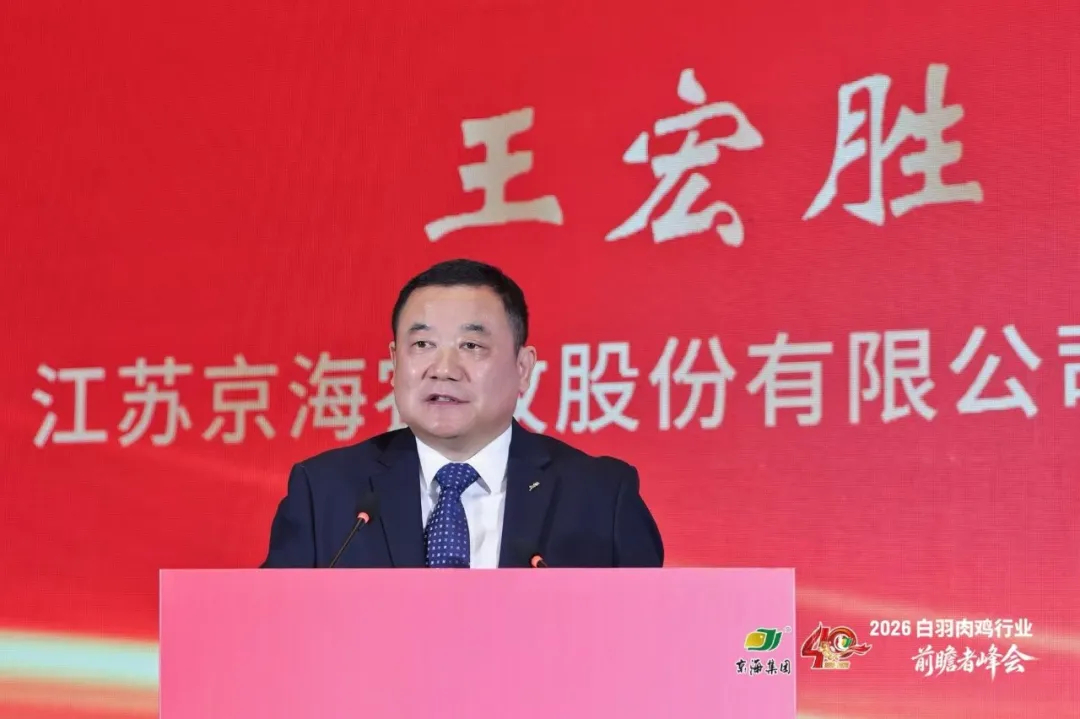
Wang Hongsheng
1996–2005 was the growth phase. The business became a shareholding cooperative and worked with Aviagen’s Arbor Acres, introducing new management mechanisms that improved internal production efficiency.
2006–2018 was a period of turbulence. Industry imports of grandparent stock continued to climb, while food safety shocks alternated with strategic restructuring among major companies. During this period, Jinghai also had successive contacts and cooperation with Dajiang, CP and Tyson.
From 2019 onwards came a phase of high-quality development. Jinghai joined forces with Wens and completed a capital restructuring.
“Looking back over these 40 years, risks have never stopped,” Wang said. “Every risk is a test of survival for every company. But only change and innovation can provide the principal means of addressing those risks and drive the development of both the industry and its businesses.”
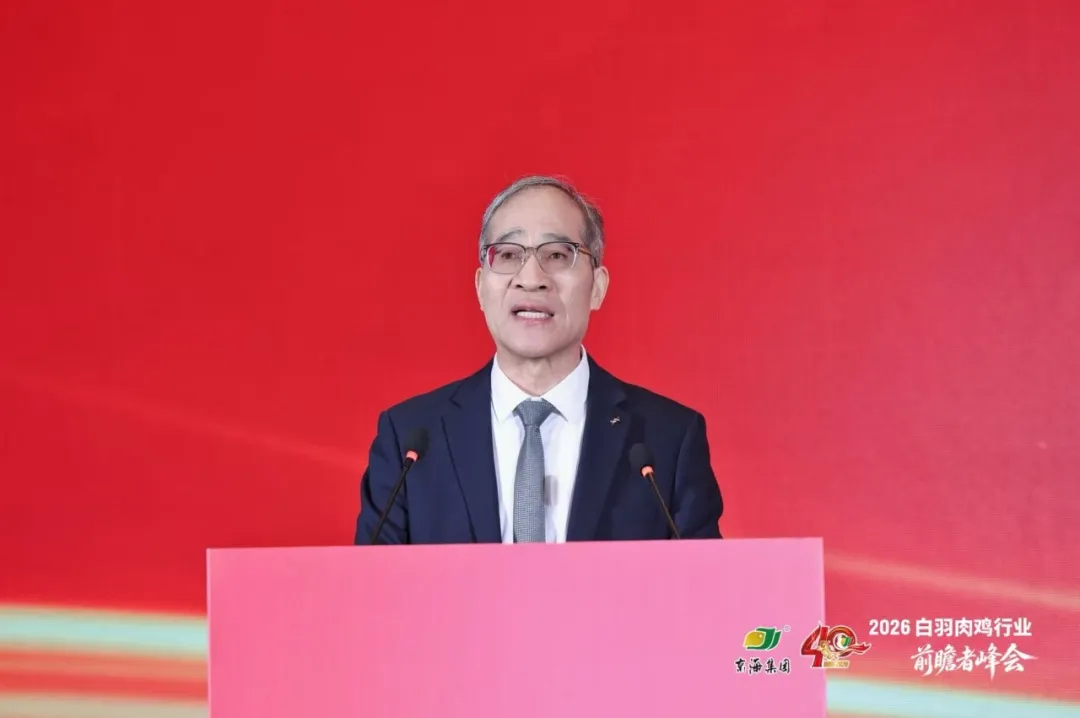
Gu Yunfei
Chairman Gu Yunfei condensed those four decades into three themes. The first was gratitude for the times and for industry peers: “Without the opportunities created by reform and opening-up, and without colleagues working together to grow the industry, there would be no Jinghai today.” The second was staying true to fundamentals while innovating: protecting the breeding business, maintaining quality standards and keeping the original commitment to working with farmers and helping them develop. “For 40 years, we have done just one thing.” The third was shared prosperity, pursuing a three-step plan over seven years with strong support from Wens, towards “a CNY 10 billion (approximately USD 1.5 billion) vision and a century of Jinghai”.
Wen Zhifen, chairman of controlling shareholder Wens Foodstuff Group, offered perhaps the simplest description of Jinghai’s 40 years: “Doing just one thing for 40 years: building a solid breeding stock business and raising chickens well. That degree of focus and resolve is particularly rare in this industry.”
02 Seven years of change after restructuring
Wens completed its acquisition of an 80% stake in Jinghai in 2019. Wen acknowledged that people across the group had questioned the move at the time: why should a company focused on pigs and yellow-feathered broilers invest in a white-feathered broiler breeding stock business?
The answer was a structural gap. Wens positions itself as a leading supplier of meat, eggs and dairy ingredients. White-feathered broilers are low-cost, efficient to produce and suitable for a wide range of food uses, but Wens lacked its own source of breeding stock. Jinghai, meanwhile, had a longstanding close relationship with Aviagen. “Cooperation between Wens and Jinghai can efficiently connect us with high-quality international breeding stock,” Wen said. “The best approach is for strong partners to join forces.”
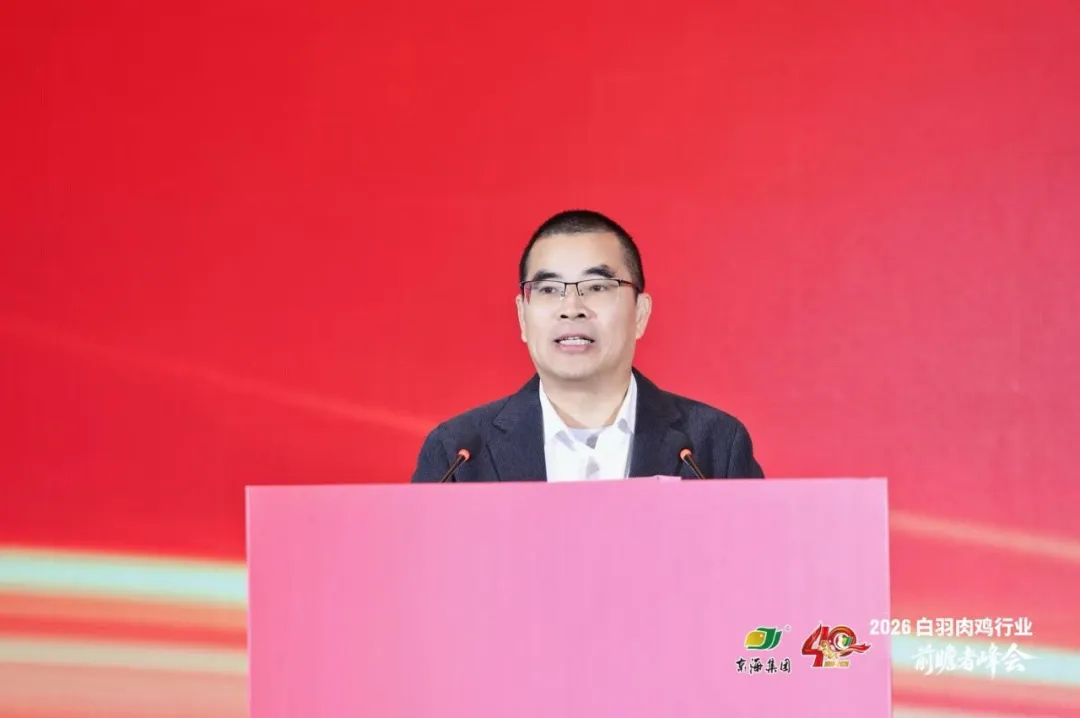
Wen Zhifen
The benefits run both ways. Jinghai’s complete grandparent, parent and commercial production system makes it the breeding stock foundation of Wens’ white-feathered broiler business. Wens, with more than 40,000 family farms, its farming network and complete feed and disease prevention systems, offers the best setting in which to apply Jinghai’s capabilities, Wen said. Jinghai’s expertise also feeds back into the group: its smart multi-storey poultry farming and more than 200 production management systems have directly helped Wens upgrade disease prevention and improve lean management.
Speaking for controlling shareholder Wens, Wen set out three expectations. First, Jinghai should introduce good international breeds while also communicating the actual needs of China’s farming, slaughter and food sectors to overseas partners. A process of introduction, validation, adaptation and further improvement would gradually turn international genetics into greater efficiency at home. Second, it must deliver tangible results. Acceptance of its application to list on the National Equities Exchange and Quotations, known as the New Third Board, was a key step, but entering the capital market would require sustained, demonstrable profitability. Third, it must maintain strict quality controls over biosecurity, disease eradication and breeding stock quality, steadily increasing imports and supply only on that basis.
Wang’s presentation set out the changes in the accounts over seven years. The area used for farming now exceeds 2,000 mu (about 133.3 hectares). Poultry house floor area grew by 116%, grandparent flock scale by 76.47% and parent flock scale by 122.2%. The business generated CNY 2.214 billion in profit (approximately USD 332.2 million), paid CNY 355 million in local taxes (USD 53.3 million), added CNY 736 million in fixed asset investment (USD 110.4 million) and increased net assets by 5.39 times the original amount.
Three geographical moves perhaps show more clearly what those seven years involved. In 2019, Yangtze River protection measures left Jinghai’s riverside farms facing relocation. It brought forward the launch of its Rudong business and, in one year and 12 days, built capacity equivalent to that accumulated over 35 years, taking the company’s total breeding stock inventory to 2.1 million sets and hatching capacity to more than 200 million eggs. Planning for Nantong’s new airport created fresh uncertainty, prompting Jinghai to establish its third company in Yizheng, along Jiangsu’s broiler industry belt. With investment of CNY 1 billion (approximately USD 150.0 million), four farms are under construction and expected to be completed in early 2027. In 2025, when Wens called for building the equivalent of another Wens within ten years, Jinghai launched a 70 million-bird commercial broiler plan in Tianchang, Anhui.
From Haimen to Nantong, across Jiangsu and then into Anhui, Jinghai’s moves with Wens’ support have turned changes in regional planning into opportunities for development, rather than simply responses to relocation pressure.
03 Customers explain how trust compounds
During a panel discussion at the summit, Yang Chuangzao, chairman of Henan Longhua Animal Husbandry Co., Ltd., described himself as a loyal customer. Longhua has worked with Jinghai since 2002 and has generally ranked among its top three customers by breeding stock purchases for more than a decade. He gave three reasons.
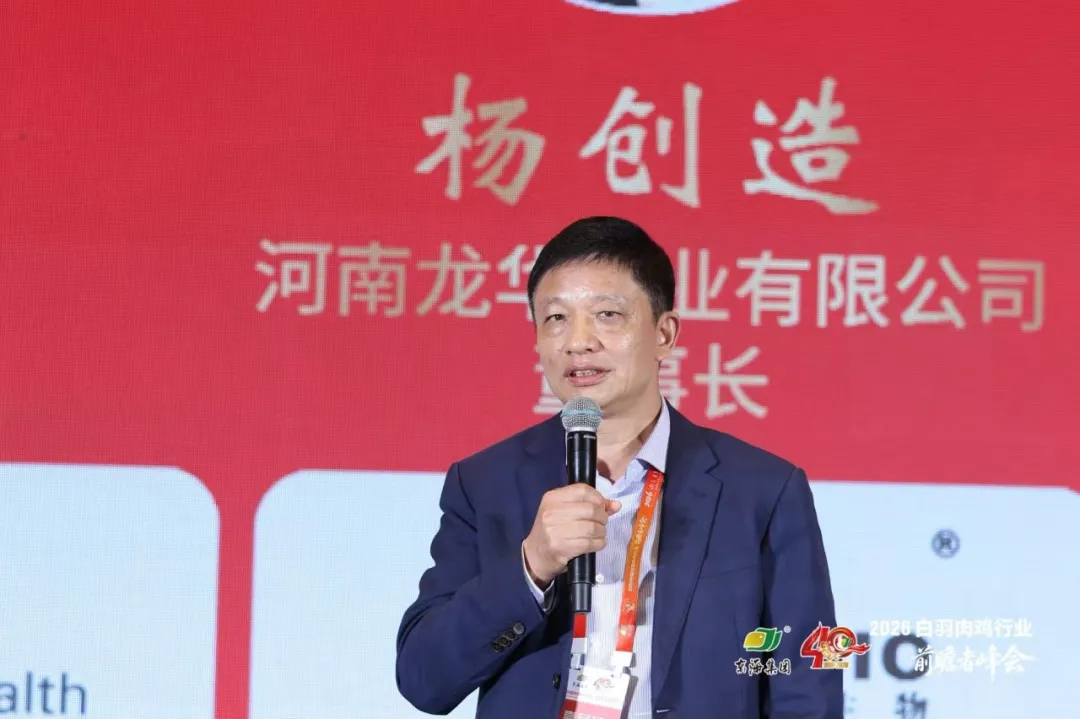
Yang Chuangzao
The first was service. In 2002, Longhua lacked management expertise across many aspects of broiler breeder production. Jinghai’s service team went straight into the poultry houses, taught staff how to rear the birds, and helped establish management systems and vaccination programmes. “Their after-sales team knows more of our employees than I do,” Yang said.
The second was integrity. In years of volatile markets and limited access to breeding stock, Jinghai supplied birds at the agreed price, even when it could have sold them elsewhere for more.
The third was quality. In 2005–2006, Jinghai sent several teams around China to seek feedback, asking others to identify its shortcomings. Yang raised 13 issues. A year later, Jinghai’s vice-chairman returned with a team to explain the corrective work. Those quality improvements led Longhua to switch almost entirely to Jinghai’s products.
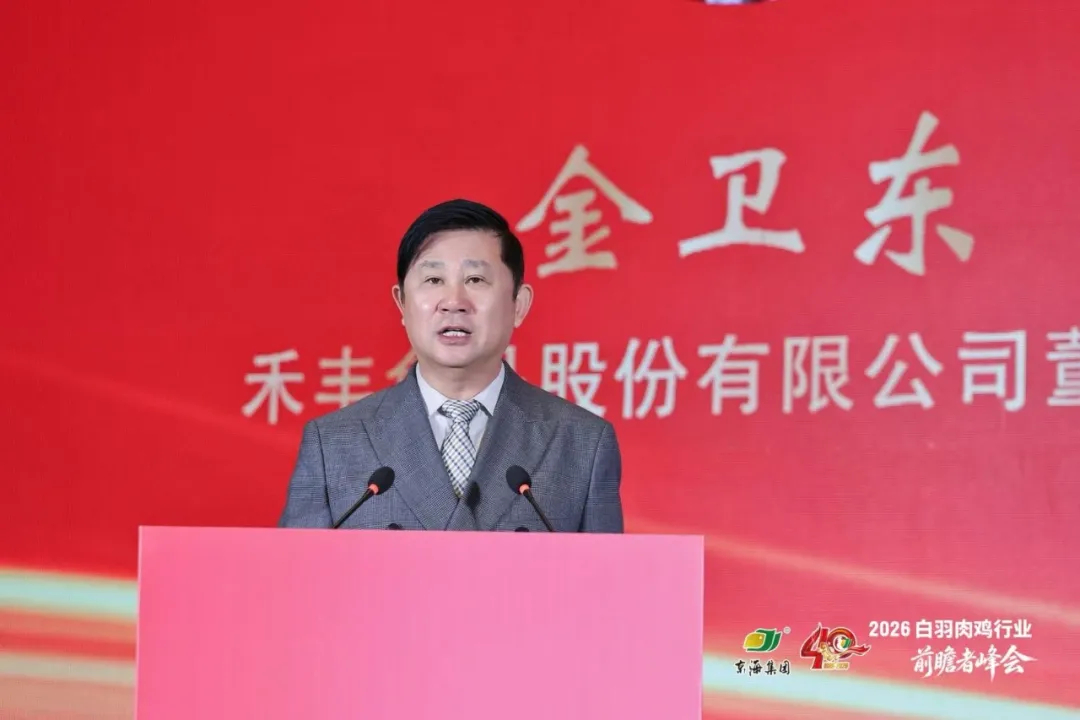
Jin Weidong
Wellhope Foods, China’s largest white-feathered broiler slaughter business, is another important Jinghai customer. Chairman Jin Weidong drew broader industry lessons from the relationship. One was Jinghai’s unwavering focus on its core business for more than 40 years, “whether the industry was booming or struggling through a downturn”. The other was integrity: during crises involving shortages of breeding stock and sharply fluctuating costs, it did not simply pass the pressure on to suppliers and customers. “What accumulated through that process was integrity and reputation, worth far more than profit.”
“There are no shortcuts in agriculture and livestock, and cyclical risks will always exist. But when risks arise, a trusted business will always be more composed than its peers,” Jin said. He wished Jinghai continued success as a steady anchor for China’s white-feathered broiler breeding sector.
04 Industry positioning matters more than speed
Jinghai’s four decades become clearer when viewed in the wider industry context.
Cai Huiyi, president of the China Animal Agriculture Association, described an industry that had completed a full cycle of prosperity, expansion, oversupply, downturn and adjustment between 2018 and 2025. Supply exceeded demand and the sector as a whole lost money in 2025, with some relief in 2026. Structural differences remained a longer-term issue: China’s five largest broiler companies account for about 31% of the market, compared with 64% in the US. The ten largest US companies account for 75%, while China’s top ten hold less than half. “We still have at least 25 percentage points of consolidation ahead of us.”
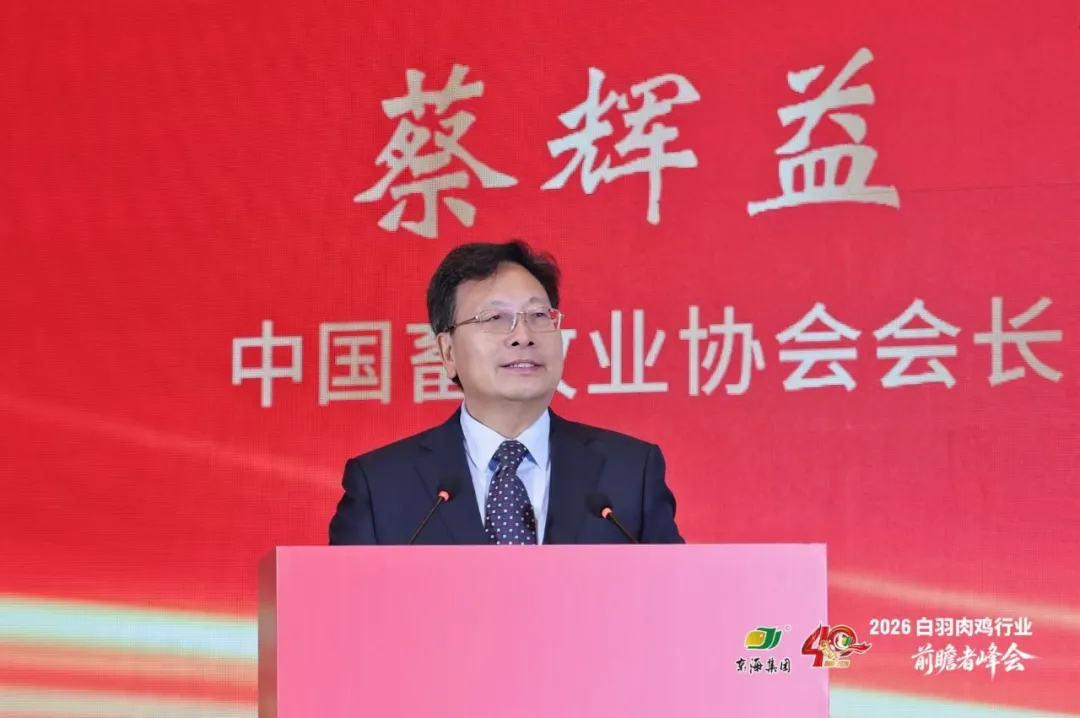
Cai Huiyi
Cai framed the strategic question this way: during the consolidation of the value chain, “What role will you play? Will you consolidate others, or be consolidated?”
Jinghai’s answer is to become an indispensable link: the essential breeding stock foundation within a leading group’s system, rather than an integrator of the entire value chain.
Chen Lu, vice-president of Wens Investment, explained the investment logic during the same discussion. Wens established an industry investment function in 2018 and judged that poultry meat offered more room for growth in China than other categories. It therefore chose the two ends of the white-feathered broiler value chain: breeding stock and food processing. When it invested in Jinghai in 2019, China’s white-feathered broiler industry produced fewer than five billion birds; by 2025, that figure had exceeded nine billion. “Few industries double in seven years,” she said. Her conclusion was that everyone faces the same ceiling in an industry; what matters most is matching that opportunity with a team capable of continually raising the ceiling.
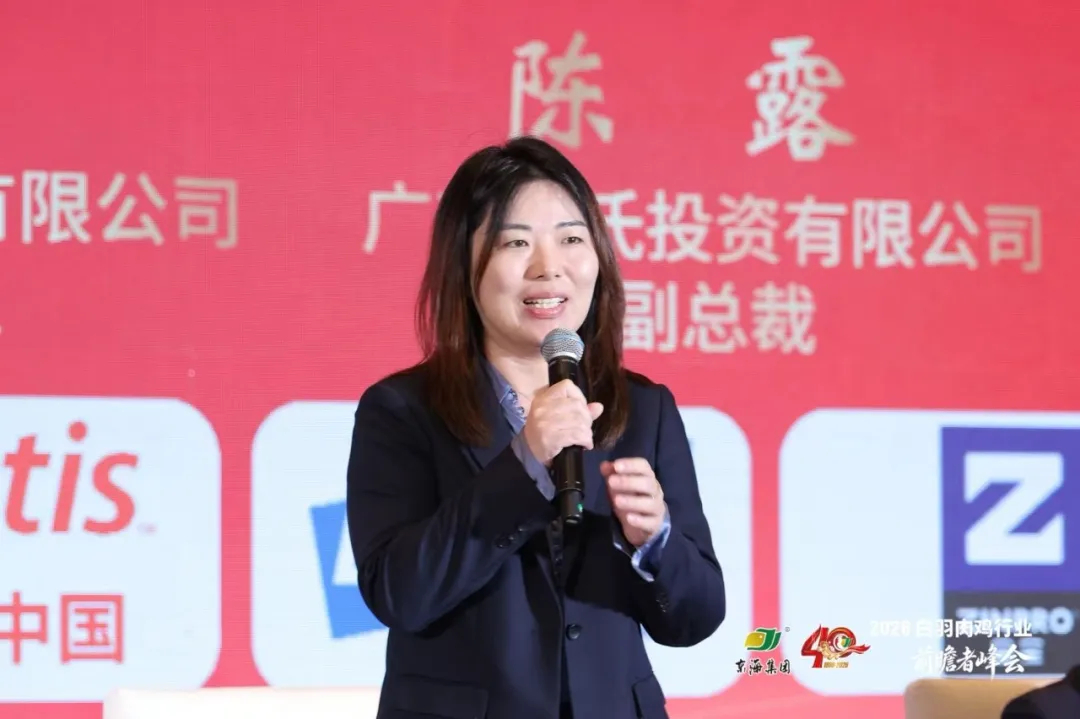
Chen Lu
Chen also explained the limits of Wens’ role within its business ecosystem: respecting management teams’ ideas in their areas of expertise, while introducing Wens’ management philosophy, experience, tools and people where capabilities are weaker. That echoed the experience of Tan Xiaofeng, who moved from Wens to Jinghai in 2019 and is now executive deputy general manager. “The group places great trust in Jinghai’s management team. To date, apart from finance, we have made very few changes to the other functions.”
“A CNY 10 billion (approximately USD 1.5 billion) vision and a century of Jinghai” is the company’s next target.
It has set out three routes: use Wens’ support and its geographical advantages to extend the value chain along the middle and lower reaches of the Yangtze and around Shanghai’s third airport; combine Aviagen’s improved genetics with its own husbandry expertise to provide customers with more comprehensive, detailed and advanced technical support; and take a lead in value chain coordination and information sharing.
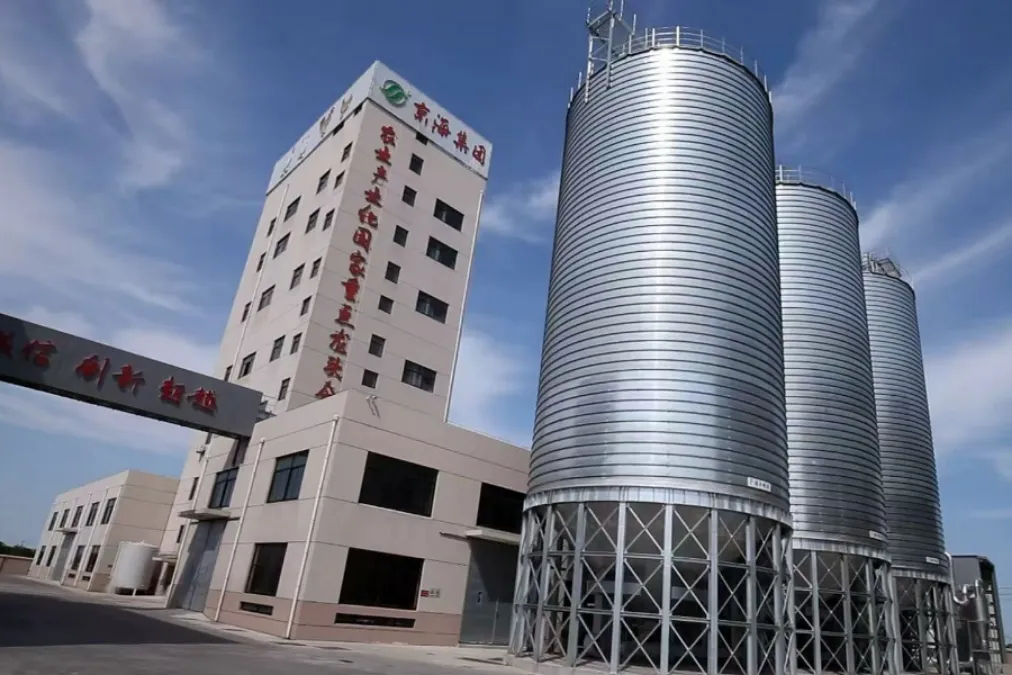
Four new projects are also planned: a research centre for new productive capabilities to drive industrial upgrading; an aviation food R&D centre linked to Shanghai’s third airport; a training and extension centre for the company’s breeding stock and technologies; and an animal health R&D centre to protect breeding stock health.
Jinghai intends to expand beyond importing breeding stock. “We want to use the Belt and Road Initiative to take improved breeds and technologies overseas, enabling Chinese breeding stock to serve the world,” Wang said at the end of his presentation.
AgriPost.CN – Your Second Brain in China’s Agri-food Industry, Empowering Global Collaborations in the Animal Protein Sector.