
Wens said it is prepared for a prolonged period of weak hog prices, supported by low production costs, solid cash reserves, and relatively low leverage. The company said its poultry business remains profitable and helps offset volatility in hog prices, while it continues to push for lower farming costs, higher PSY, and expansion in hog slaughtering capacity.
Wens said it is mentally prepared for hog prices to remain depressed for an extended period, drawing on more than 40 years of experience in navigating multiple full livestock cycles in both poultry and pigs.

The company made the remarks at CICC’s 2026 Spring Investment Strategy Conference on March 11, in response to a question from institutional investors about the sharp drop in hog prices after the Lunar New Year and how it plans to respond.
Wens said its current pig and chicken production costs are both in the industry’s top tier, giving it confidence to ride out the cycle. The company also said it has ample cash on hand and a relatively low debt ratio compared with industry peers. By the end of 2025, its debt ratio had fallen to about 50%, and in 2026 it plans to reduce that further to around 48% to keep improving capital security and risk resilience.
Another buffer, according to Wens, is its dual focus on pigs and poultry. While hog prices are currently weak, its poultry business remains reasonably profitable and is providing relatively stable cash flow. “Taken together, the company is confident and capable of successfully navigating this downturn and achieving new development,” it said.
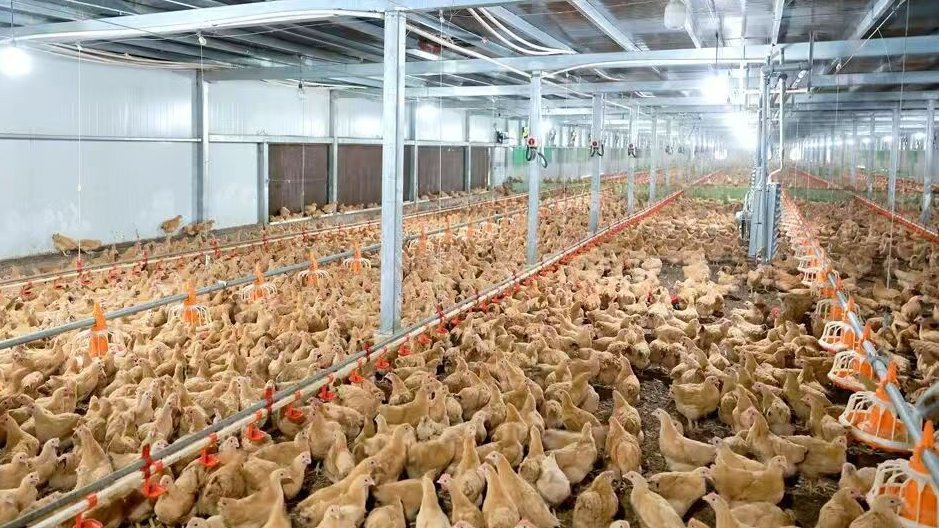
For January and February 2026, Wens said its all-in hog production cost was about CNY 12.00 per kg (USD 1.67 per kg). Taking into account expectations that feed ingredient prices may edge up slightly, the company preliminarily estimates its average all-in hog production cost for full-year 2026 at about CNY 11.80 per kg (USD 1.64 per kg).
Wens added that it has set itself a more demanding internal target to further encourage business units to keep lowering production costs. Going forward, it said it will continue to strengthen breeding technology, deepen digital empowerment, and improve operational efficiency to further optimize production quality and efficiency, while reinforcing its cost advantage.
In 2025, the company’s PSY in its hog business stood at around 26. Its longer-term target is to lift PSY above 32 across the board, reaching what it described as an internationally advanced level.
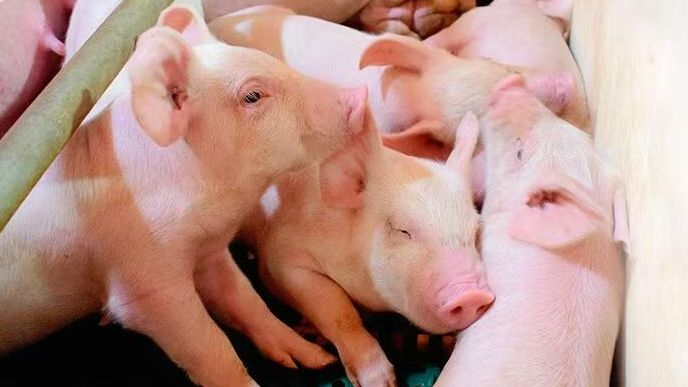
Wens also disclosed that its completed hog slaughtering capacity currently stands at about 5 million head, with another 2 million head under construction. It said some slaughtering units have already turned profitable thanks to locational and management advantages. Looking ahead, the company plans to continue optimizing customer channels and improving operational efficiency to support its transition strategy in food ingredients and food products, and to extend value along the industry chain.
AgriPost.CN – Your Second Brain in China’s Agri-food Industry, Empowering Global Collaborations in the Animal Protein Sector.