
Wens Group has set clear operating targets for 2026, aiming to cut average hog production costs to about CNY 11.80 per kg while growing broiler marketings by around 10%. Pig business growth will focus on higher productivity and a more diversified sales mix rather than capacity expansion, while poultry growth will be driven by integration, product upgrading, and margin improvement. The company also plans disciplined capital spending and a lower debt ratio, underscoring a cautious but efficiency-led growth strategy.
Wens Group has outlined a set of operating targets for 2026 during recent discussions with institutional investors, pointing to further cost reductions in pigs, steady expansion in poultry, and a tighter balance sheet.

Despite expectations that feed raw material prices may edge higher, the company said it is targeting an average all-in hog production cost of around CNY 11.80 per kg (USD 1.64 per kg) in 2026.
That would mark a clear improvement on recent performance. From January to November 2025, Wens’ comprehensive hog production cost averaged CNY 12.20–12.40 per kg (USD 1.70–1.73 per kg), with November already down to CNY 12.00 per kg (USD 1.67 per kg).
According to the company, further gains will come from breeding-driven productivity, wider use of digital and smart technologies, iterative production models, optimised feed formulations, and lean management practices—aimed squarely at lifting efficiency and quality while continuing to push costs lower.
Pig growth from efficiency, not expansion
Under current policy constraints, Wens sees limited room for straightforward capacity expansion in pigs. Growth, it said, will instead come from better use of existing capacity. A key lever is productivity, with the company planning to raise PSY (pigs per sow per year) by at least one pig annually, and ultimately aiming to break through 32 pigs per sow per year across its system.
At the same time, Wens is adjusting its sales mix. The group is working toward a structure in which piglet sales account for 5%–10% of total pig sales, supporting a more diversified revenue base. In practice, that threshold has already been exceeded: between January and November 2025, piglet sales made up more than 10% of the total.
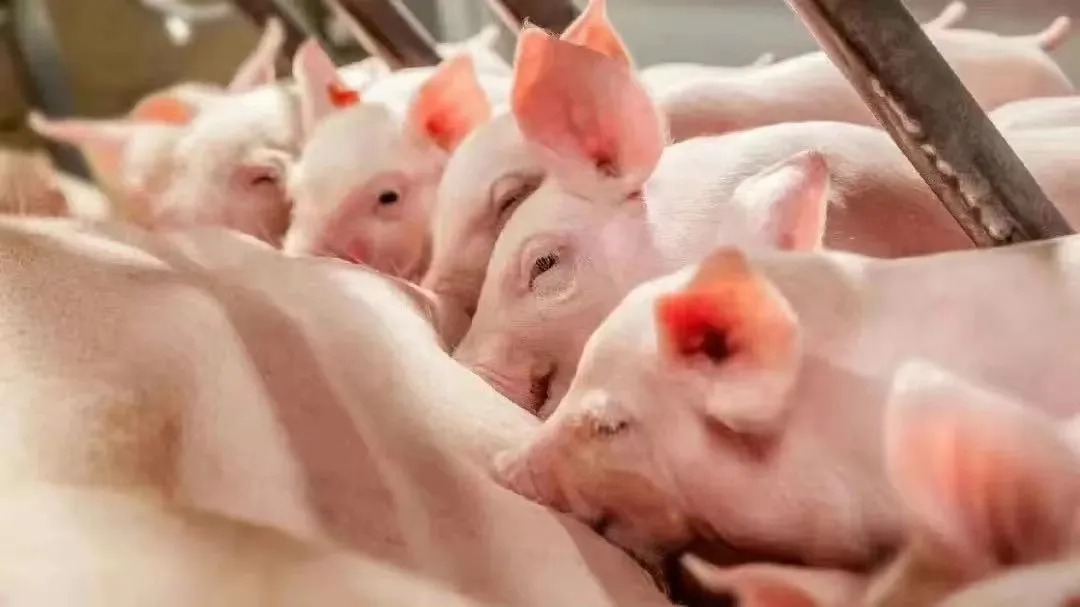
Over that period, Wens sold 35.91 million pigs, including 4.01 million piglets.
Slaughtering still under pressure
The company also reaffirmed that pig slaughtering remains a strategic long-term focus. Wens currently has around 5 million head of completed slaughtering capacity, but utilisation is still low. From January to November 2025, actual slaughter volumes were about 1.5 million head.
High depreciation and insufficient throughput mean the segment has yet to reach full profitability, the company noted.
Broilers: volume growth and higher margins
In poultry, Wens set a clear volume target: broiler marketings in 2026 are expected to rise by about 10% compared with 2025.
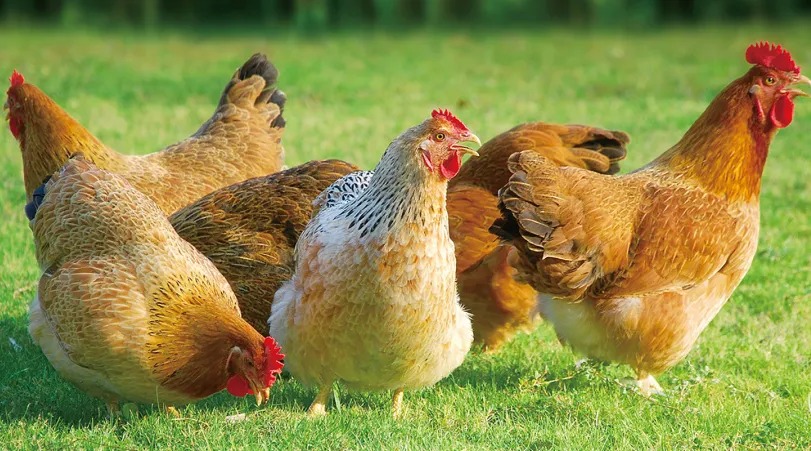
From January to November 2025, the company marketed 1.19 billion broilers, including live birds, chilled products, and processed foods. Of this total, 200 million birds were sold as chilled products, while ready-to-eat and prepared foods accounted for around 14 million birds. White broiler sales exceeded 30 million birds, up 29% year on year.
Wens said it has already established a fully integrated white broiler operation. If profitability proves stable, the company believes this model can be rolled out quickly across its national footprint, supported by scale and supply chain advantages.
Looking further ahead, Wens plans to lift broiler volumes through a mix of strategies, including northward expansion of yellow broilers, deeper penetration of live bird sales in rural markets, tighter regional specialisation, and a shift toward food and ingredient products. By shortening sales channels and upgrading branding, the group aims to raise per-bird profitability by CNY 2 per bird from current levels.
Capex and balance sheet
For 2026, Wens has budgeted CNY 50–60 billion (USD 6.96–8.36 billion) in fixed capital expenditure. At the same time, it plans to reduce its debt ratio from 49.4% at the end of the third quarter of 2025 to around 48%.
“The company’s funding position is solid, leverage is coming down, and overall financial risk remains low,” Wens said. Overseas operations are still at an early exploratory stage, it added, with no current plans for a Hong Kong listing or additional equity financing.
AgriPost.CN – Your Second Brain in China’s Agri-food Industry, Empowering Global Collaborations in the Animal Protein Sector.